

Wichtige Punkte:
- Das Kauen ist der oft übersehene erste Schritt der Verdauung.
- Proper chewing enhances saliva production, enzyme activity, and nutrient absorption.
- Schlechte Kaugewohnheiten tragen zu Blähungen, Verdauungsstörungen und Verdauungsbeschwerden bei.
- Achtsame Ernährungsstrategien können die Darmgesundheit und das allgemeine Wohlbefinden verbessern.
Der übersehene erste Schritt einer gesunden Verdauung
How often do you think about the way you chew your food? For most people, chewing is automatic – barely worth a thought. Yet, this simple act may hold the key to better digestion and fewer stomach woes.
Emerging research suggests that thorough chewing can reduce bloating and improve nutrient absorption. By slowing down and breaking food into smaller particles, you’re not just saving your stomach some work – you’re actively supporting your body’s ability to absorb vitamins, minerals, and energy more efficiently.
Chewing is not just mechanical – it’s biochemical, too. It sets the entire digestive process in motion.
Warum Kauen für den Darmkomfort wichtig ist
In today’s fast-paced culture, meals are often rushed. Sandwiches are eaten on commutes, dinners happen in front of screens, and snacks vanish in seconds. This hurried eating habit isn’t just a cultural shift – it has direct consequences on digestion. Without proper chewing, food reaches the stomach in larger chunks, making it harder for digestive organs to do their job.
When this happens repeatedly, individuals often experience bloating, indigestion, and reduced nutrient uptake. Over time, insufficient chewing has also been linked to symptoms such as acid reflux and irritable gut. The evidence suggests that simply chewing more thoroughly could help alleviate these everyday digestive issues.
Verdauungssymptome im Zusammenhang mit schlechten Kaugewohnheiten
Viele Menschen berichten von Schweregefühl, Blähungen oder sogar Sodbrennen nach dem Essen. Während diese Symptome oft auf das Essen selbst zurückgeführt werden, kann der wahre Schuldige unzureichendes Kauen sein. Schlechte Kaugewohnheiten können zu Folgendem führen:
- Larger food particles can increase mechanical stress and irritate the intestinal lining
- Reduced saliva production, limiting enzymes (salivary amylase, lingual lipase) that start carbohydrate and fat breakdown.
- Swallowing excess air (aerophagia), which contributes to gas and abdominal discomfort.
Rushing through meals may seem harmless, but over time, it weakens your body’s ability to fully process and absorb food.
Wie das Kauen die Verdauung fördert
Chewing, or mastication, sets off a cascade of biological processes. As you chew, salivary glands release enzymes like amylase and lipase that begin breaking down carbohydrates and fats even before they reach the stomach.
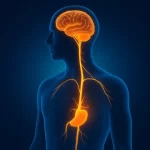
Durch das Kauen werden außerdem Signale durch das Nervensystem gesendet, die den Magen zur Produktion von Magensaft anregen. Stellen Sie es sich so vor, als würden Sie den “Ein-Schalter” zur Verdauung umdrehen. Das Überspringen oder Verkürzen dieses Schritts kann den Prozess stören, Ihren Darm dazu zwingen, härter als nötig zu arbeiten und die Nahrung teilweise zersetzt zurückzulassen.
Praktische Strategien zum bewussten Kauen und Essen
Improving chewing habits doesn’t require dramatic lifestyle changes – it’s about mindful adjustments. Here are simple, effective strategies:
- Follow the 20–30 chew rule: Aim to chew each bite at least 20 times before swallowing.
- Set down utensils between bites: This slows your pace and allows time for satiety signals.
- Start meals with fibrous foods: Crunchy vegetables or apples naturally require more chewing.
- Eat without distractions: Focusing on the texture and flavour of your food improves both chewing and satisfaction.
- If you experience jaw tiredness, start with smaller bites and build up gradually.
These habits not only support digestion but also help regulate appetite, making overeating less likely.
Kulturelle und Lifestyle-Perspektiven zum Kau- und Esstempo
Across cultures, chewing is treated very differently. Traditional societies often centre meals around shared rituals, where slower eating and fibre-rich foods naturally encourage more chewing. For instance, in Japanese dining culture, small bites and mindful savouring of food are emphasised, which promotes better mastication.
In contrast, modern industrialised societies lean heavily toward processed foods that require less chewing and a “fast-food” mentality that encourages speed eating. This cultural shift may partly explain the rise in digestive discomfort and nutrient absorption challenges seen in Western countries. Reintroducing mindful chewing practices could serve as a low-cost, powerful way to restore balance.
Aufbau einer gesünderen Beziehung zum Kauen
Wenn Sie unter Verdauungsbeschwerden leiden, ist die Lösung möglicherweise einfacher als Sie denken: Machen Sie langsamer und kauen Sie. Beginnen Sie damit, zu bemerken, wie lange Sie brauchen, um eine typische Mahlzeit zu beenden, und verlängern Sie diese Zeit dann nach und nach, indem Sie jeden Bissen länger kauen. Schon das Hinzufügen von 5–10 zusätzlichen Kauartikeln kann einen Unterschied darin machen, wie sich Ihr Körper nach dem Essen fühlt.
For those who continue to experience persistent bloating, indigestion, or irritable gut symptoms, it’s important to consult a health professional. They can help determine whether underlying digestive issues are at play and guide you toward safe, effective solutions.
Fazit: Kauen als Grundlage für Verdauungsgesundheit
Chewing may seem like a small action, but its ripple effects on digestion are significant. By making a conscious effort to slow down, savour, and chew more thoroughly, you can support enzyme activity, nutrient absorption, and gut comfort. Sometimes, the simplest shift at the dinner table has the biggest payoff for long-term health.
der nächste Schritt
Try slowing your next meal by focusing on each bite – its texture, taste, and how it feels as you chew. This simple shift supports enzyme activation, better digestion, and even improved energy after meals. If discomfort or bloating persists, consult a qualified health professional for a personalised evaluation.
Dieser Blogbeitrag soll informativ sein und sollte keine professionelle Gesundheitsberatung ersetzen. Konsultieren Sie immer einen Arzt, um eine individuelle Beratung zu erhalten.
Referenzen
- Sun-Waterhouse D, Kang W, Ma C, Waterhouse GIN. Towards human well-being through proper chewing and safe swallowing: multidisciplinary empowerment of food design. Journal of Future Foods. 2021 Sep;1(1):1–24.
- Kumar A, Almotairy N, Merzo JJ, Wendin K, Rothenberg E, Grigoriadis A, et al. Chewing and its influence on swallowing, gastrointestinal and nutrition-related factors: a systematic review. Critical Reviews in Food Science and Nutrition. 2022 Jul 14;63(33):1–31.
- Martins FLP de SP, Inete MB, Souza YD do ES, Costa RLV, Gabbay RD, Moraes TM, et al. Association between Self-Perception of Chewing, Chewing Behavior, and the Presence of Gastrointestinal Symptoms in Candidates for Bariatric Surgery. Nutrients [Internet]. 2024 Jan 1;16(8):1096. Available from: https://www.mdpi.com/2072-6643/16/8/1096#:~:text=Regarding%20the%20relationship%20between%20self
- Sun-Waterhouse D, Kang W, Ma C, Waterhouse GIN. Towards human well-being through proper chewing and safe swallowing: multidisciplinary empowerment of food design. Journal of Future Foods. 2021 Sep;1(1):1–24.


 German
  English
  French
  Spanish
  Swedish
I didn’t realise how much chewing actually affects digestion. Makes sense why I feel bloated when I rush meals.
This explains why eating slowly always makes my stomach feel better. Simple but really helpful.