
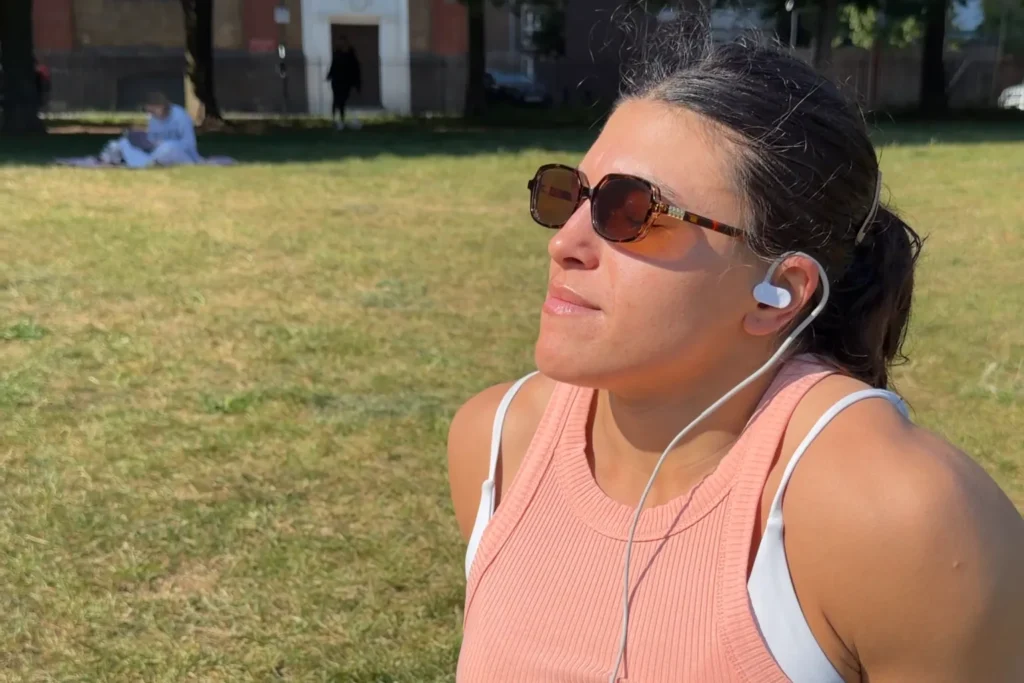
Eighteen months of creatine, protein timing, cold plunges, and eight hours of sleep, and my HRV (Heart Rate Variability) still would not budge. It was the first thing to change. It wasn’t the only one.
For eighteen months, my HRV sat at 52. Every morning, the same red on my WHOOP.
I was doing everything right. Creatine. Protein timing. Eight hours of sleep. Cold plunges. An extra rest day when the number dropped.
The number did not move. And every fourth round of every WOD (Workout Of The Day) felt like a different workout from the first three.
I compete in CrossFit, including the CrossFit Games Semifinals in Madrid, and coach it as a Level 1 trainer. I also work twelve-hour shifts as a cardiothoracic ICU (Intensive Care Unit) nurse, train five to six days a week around them, and have tracked my HRV daily for over two years. After years of ICU shifts through COVID on top of full training, I hit a wall and took four months away from work.
What eventually moved the number was not another supplement or a different training split. I’ll show you the five ways below. But first, what I had completely wrong about HRV.
Does This Sound Like Your Week?
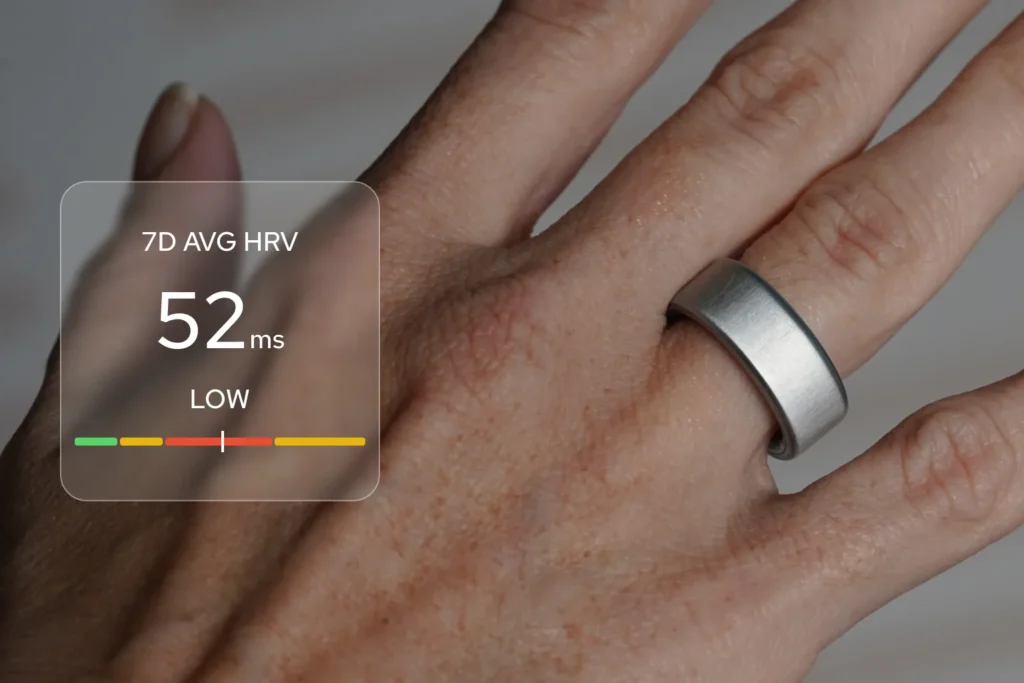
- Your WHOOP or Oura says red again, even after a proper rest day
- The soreness from Tuesday's heavy squats is still in your legs on Thursday
- You sleep eight hours and wake up feeling like you didn't
- Your gut gets reactive before competition or on high-pressure days
- You hold form in the first rounds and unravel in the last ones
If you recognised three or more, keep reading. These look like five separate problems. They aren’t.
It’s Not Weakness, and It’s Not Overtraining
Every CrossFit athlete hears the same advice: dig deeper, build mental toughness, and if your recovery number stays low, take another rest day. I followed all of it. It didn’t work, and that was not a failure of discipline. Most of the athletes I coach are doing a huge amount on top of demanding jobs and families, then blaming themselves when the usual fixes stop working.
HRV Isn’t Really a Fitness Metric
The old belief: “My HRV is stuck, so I’ve trained too hard. I need more rest.”
The new idea: HRV is a readout of your nervous system, not just your training load.
HRV measures the variation in time between your heartbeats. A higher, more flexible reading generally reflects a nervous system that can respond to demand and then come back down.
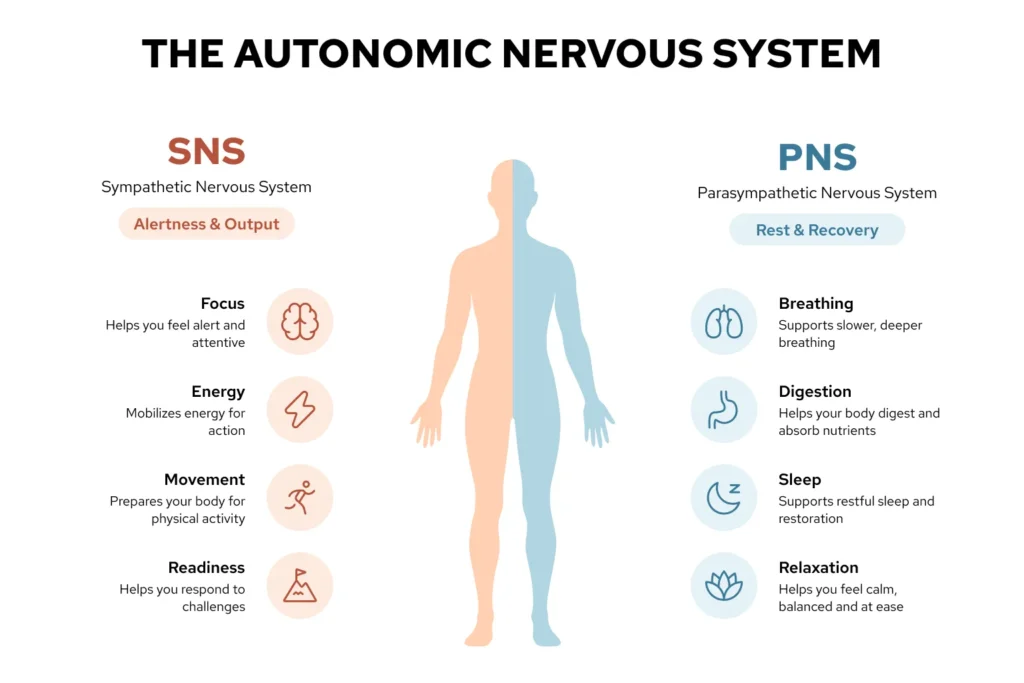
Your autonomic nervous system (the part that runs things you don’t consciously control, like heart rate and digestion) has two main branches:
- Sistema nervoso simpatico is the accelerator. It keeps you alert and ready to perform.
- The parasympathetic nervous system is where adaptation, repair, and genuine recovery happen.
La nervo vago is the body’s main pathway for shifting from one to the other.
Think of finishing a heavy set and never racking the barbell. That is a nervous system stuck in “performance mode.” Training load, shift work, and life pressure compound, vagal tone (how well the vagus nerve is doing its job) drops, and HRV stays flat. Rest days remove some of the demand, but they don’t tell the system to put the bar down. In a small study of six competitive CrossFit athletes, injury risk rose when low HRV coincided with a high training workload.¹
Why Recovery Tools Start Feeling Like Another Training Session
Everything I was doing genuinely works. I still use most of it. The problem is whether an exhausted person can do it consistently.
- Cold plunges and cold showers need access, preparation, and motivation at 9 p.m. after a long shift
- Breathwork and meditation need quiet and a clear head. Try box breathing in a busy hospital corridor
- Extra rest days, zone 2 work and sleep routines either cost training time or only help if you can protect them, which is hard with night shifts
Recovery had quietly become a second job on top of two jobs. So I asked a different question: could I support the nervous system directly, without adding another task?
What Made Me Look Into Vagus Nerve Stimulation
I work in healthcare, so I was sceptical. An ear device for athletic recovery was not something I expected to take seriously.
Vagus nerve stimulation (VNS) used to mean surgically implanted devices. Researchers later developed a non-invasive version that reaches the auricular branch of the vagus nerve through the outer ear. This is called taVNS (Transcutaneous Auricular Vagus Nerve Stimulation).
I read the research the way I’d read anything a colleague handed me: what was measured, in whom, and compared with what. In a placebo-controlled study, healthy young adults using taVNS showed a measurable increase in HRV compared with the placebo group.² Other research in healthy participants has looked at the same effect.³ That is evidence for the mechanism, not proof that it will transform an athlete. But it was real trial data, and enough for me to try it properly.
The Device I Tried
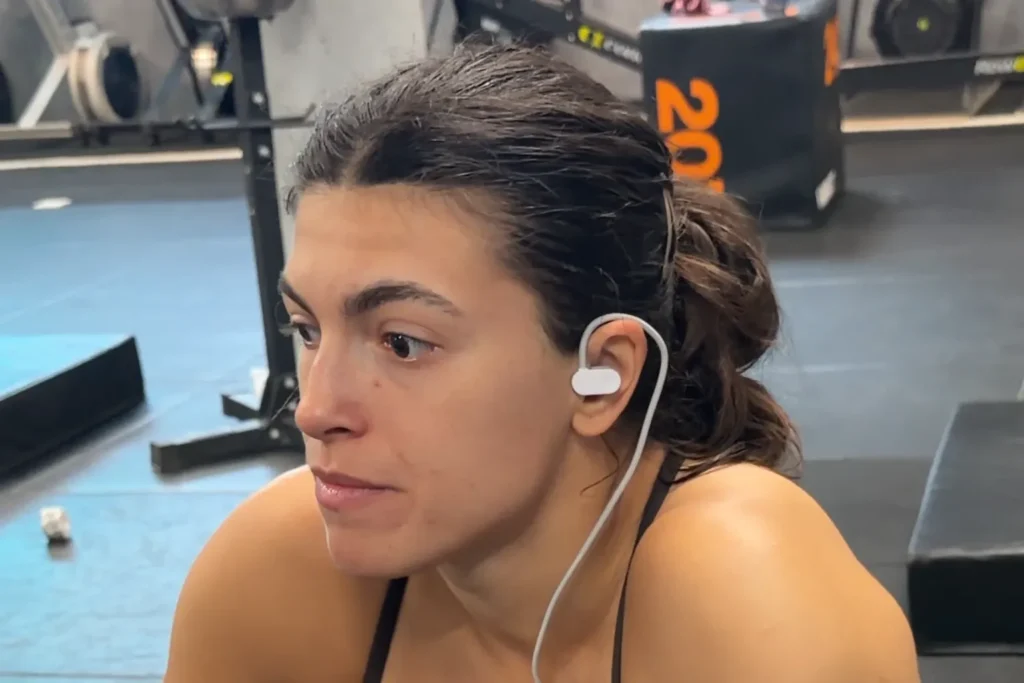
It is called Nurosym. It is a CE-marked taVNS device developed by Parasym, using proprietary AVNT™ (Auricular Vagal Neuromodulation Technology) to target the auricular branch of the vagus nerve through the tragus, the small flap of cartilage in front of the ear canal.
It is backed by over 60 completed scientific studies, with research involving 150+ internationally recognised institutions, including King’s College London, UCL and Imperial College London, and it is recommended by more than 1,000 licensed healthcare professionals.
It doesn’t replace sleep, training, or any of the recovery tools I already used. It sits alongside them, as one layer that works on the system underneath. Here are the five ways it changed my recovery.

Way 1: My HRV Finally Moved
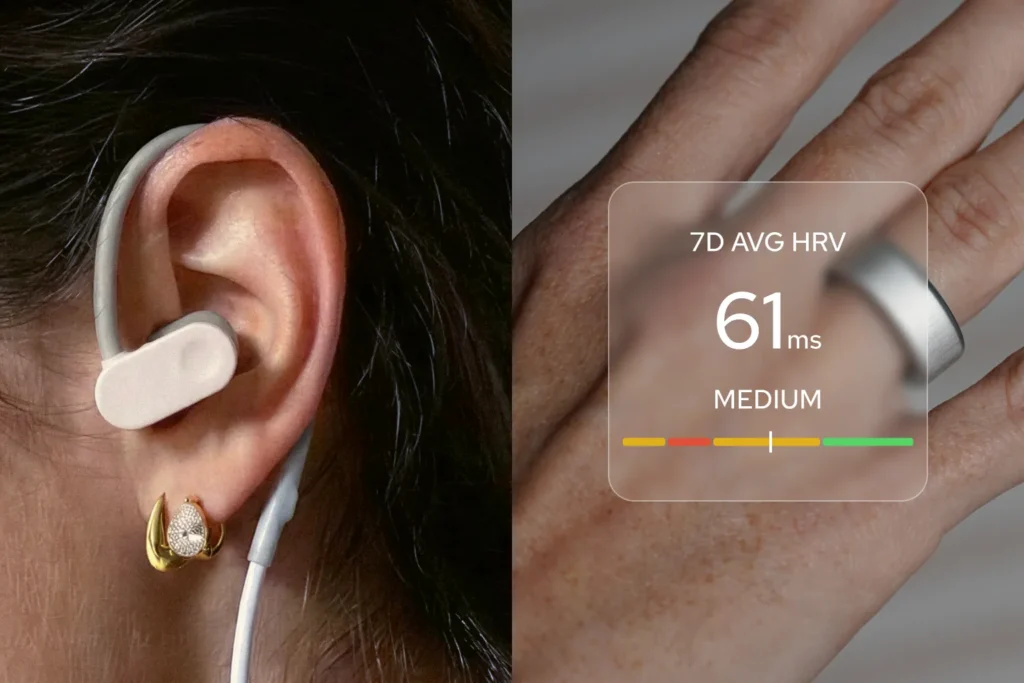
Over time, my HRV went from 52 to 61. The chart that had been flat for eighteen months now looks like a staircase going up.
In peer-reviewed studies, a single session of taVNS favourably altered HRV parameters compared with placebo, with an average 18% increase across study populations.²
What you may notice:
- Waking up and already suspecting it will be a green day
- Training blocks starting to feel like separate efforts instead of one long wall
“I’ve struggled with a consistently low HRV for years. Since I started, I’ve consistently seen a 10-20% increase, which has had a noticeable impact on my recovery.” Will, Trustpilot

Way 2: DOMS Stops Bleeding Into the Next Session
DOMS (Delayed Onset Muscle Soreness, the deep soreness that peaks 24 to 48 hours after heavy training) used to carry Tuesday’s back squats into Wednesday’s warm-up.
When the vagus nerve is working well, it activates the body’s own anti-inflammatory pathway. That pathway helps clear the inflammatory proteins that build up after hard training. In patients with acute heart problems, low-level tragus stimulation reduced markers of inflammation.⁴ That is a very different population from athletes, but it shows the pathway is real.
DOMS and a flat HRV are often two readouts of the same underlying system. For me, my DOMS stopped carrying over into the next session. Back-to-back training days started to feel like separate sessions.
What you may notice:
- Less of Tuesday in Wednesday's warm-up
- Repeat performances feeling closer to first-attempt quality
“Sono decisamente più calmo e rilassato di prima. Il mio HRV è migliorato e la mia rigenerazione è molto più veloce.” Verified user, Trustpilot

Way 3: Eight Hours in Bed Starts to Count as Recovery
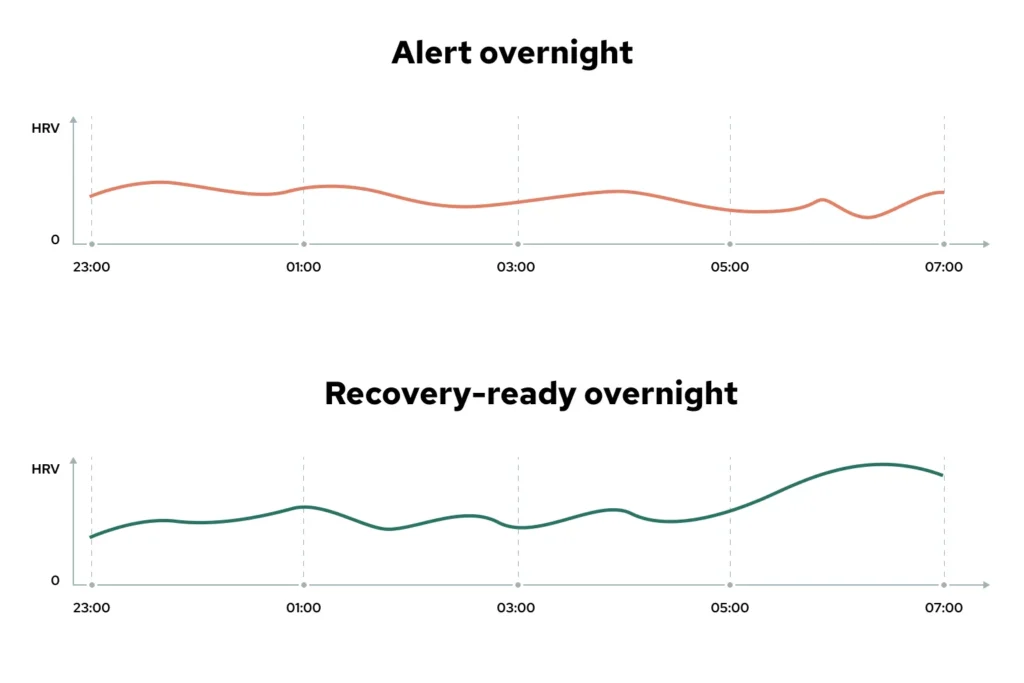
Strength gains, muscle repair, and aerobic adaptation don’t happen because you slept eight hours. They happen in specific stages: deep slow-wave sleep, where growth hormone is released and muscle is rebuilt, and Sonno REM (Rapid Eye Movement), where the technique you drilled today gets stored for the next session.
What decides how much time you spend there is what your nervous system does once you’re asleep. Otto ore a letto sono l'input. Ciò che fa il tuo sistema nervoso durante questo processo è l'output.
After three weeks of consistent use, my resting overnight heart rate dropped from 62 to 58 beats per minute, and my HRV was climbing through the night instead of staying flat. That is the same HRV problem, solved where it matters most: while I sleep.
What you may notice:
- Svegliarsi con la sensazione che la seduta di ieri sia già stata assorbita
- I punteggi di recupero salgono senza modificare il carico di allenamento o le ore di sonno
“Un sonno migliore e più riposante e mi sento più calmo dopo aver utilizzato il dispositivo.” Hannah, Trustpilot

Way 4: My Gut Stopped Turning on Me Under Pressure
For as long as I can remember, I had irritable gut flare-ups during long shifts: bloating, cramping, discomfort that arrived whenever the pressure was high. I put it down to stress and accepted it.
The vagus nerve is the main communication line between your brain and your gut. When vagal tone drops under sustained pressure, digestion can become reactive to stress in ways that have nothing to do with what you ate.⁵ For athletes, it often shows up as a gut that behaves worse the closer you get to competition.
Since using Nurosym consistently, my flare-ups during shifts have reduced significantly. I hadn’t changed my diet or routine. The only new variable was supporting my vagal tone, the same nerve behind my HRV.
What you may notice:
- A gut that behaves more consistently, whatever is going on around you
- Less pre-competition nausea that has nothing to do with nutrition
“Abbiamo notato livelli di energia più elevati, una digestione migliore, livelli di HRV più elevati, un sonno migliore e una migliore gestione dello stress.” Maciej, Trustpilot

Way 5: I Stay in the WOD When the Final Rounds Get Hard
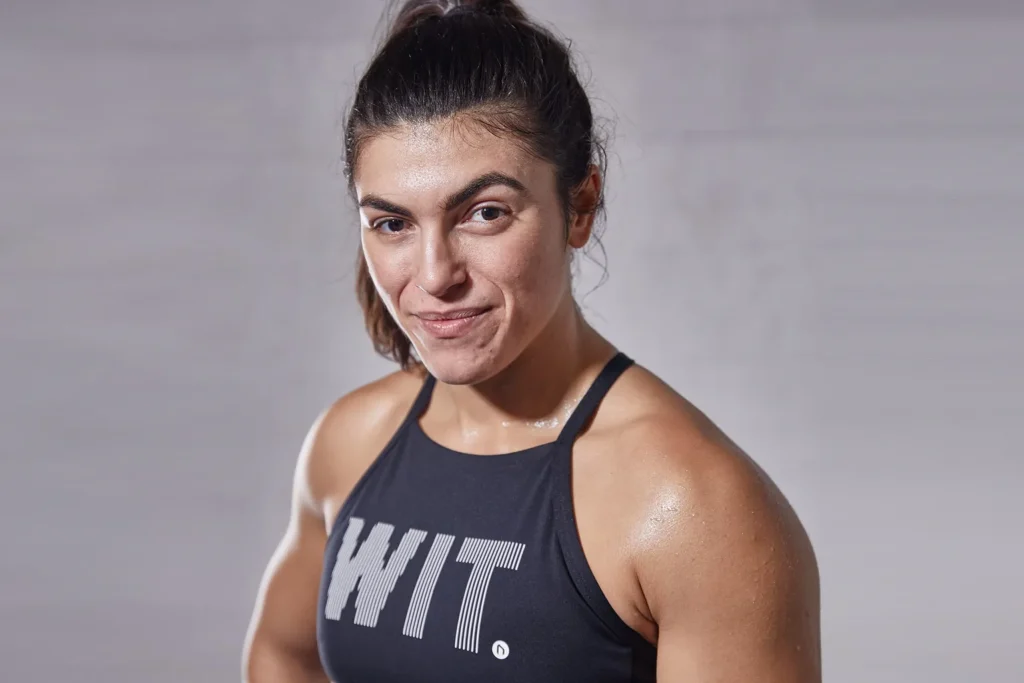
When a WOD gets hard in the later rounds, we call it mental toughness. A lot of what looks like a lack of mental toughness is physiological. The vagus nerve also governs how fast your nervous system returns to baseline after a stressful moment, like a missed lift or a broken set of pull-ups.
A faster reset is the same flexibility HRV is measuring. It means better decisions under fatigue and a longer time before your brain starts negotiating with your body about stopping.
I noticed the change before I understood the cause. Hard sessions started feeling emptied but not depleted. A missed snatch felt lighter. And I stayed present in the WOD longer, in the moments that used to unravel me.
What you may notice:
- Staying mentally in the WOD when the later rounds get hard
- A faster reset after a missed lift
Cosa mostra la ricerca
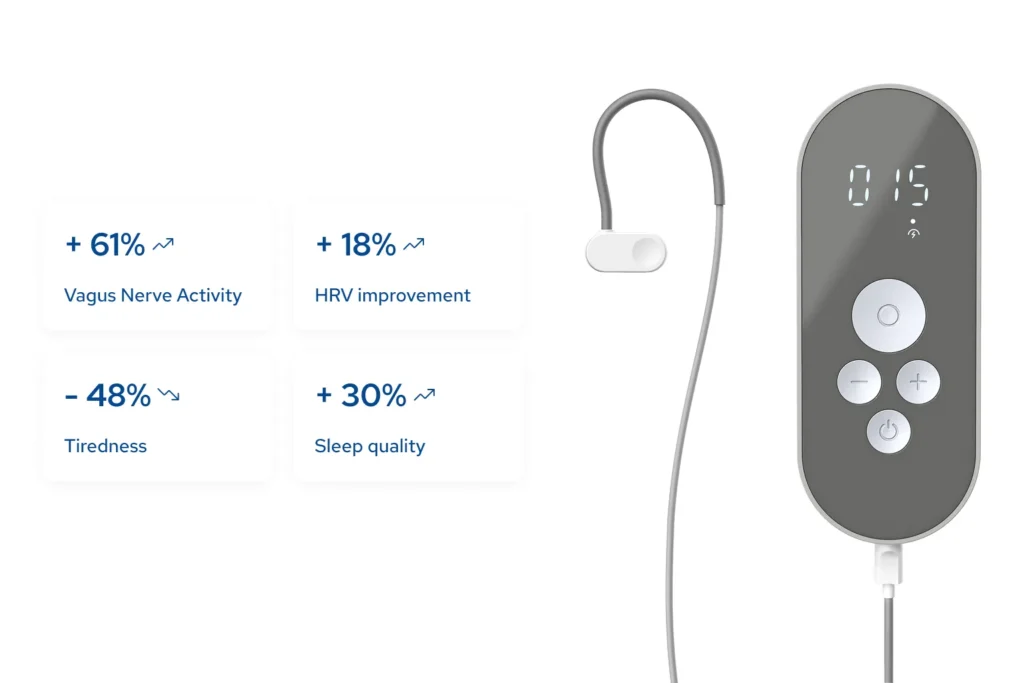
- +61% HF power, a marker of vagal nerve activity²
- +18% HRV²
- +30% sleep quality⁶
- -48% tiredness score⁷
These come from specific study populations, so I wouldn’t promise the same results to every athlete. The HRV and vagal activity figures come from healthy young adults. The tiredness and sleep figures come from studies in patient groups, not athletes, and the sleep study was small and uncontrolled.
Una ricerca promettente dovrebbe renderci interessati, non negligenti.
Come lo uso
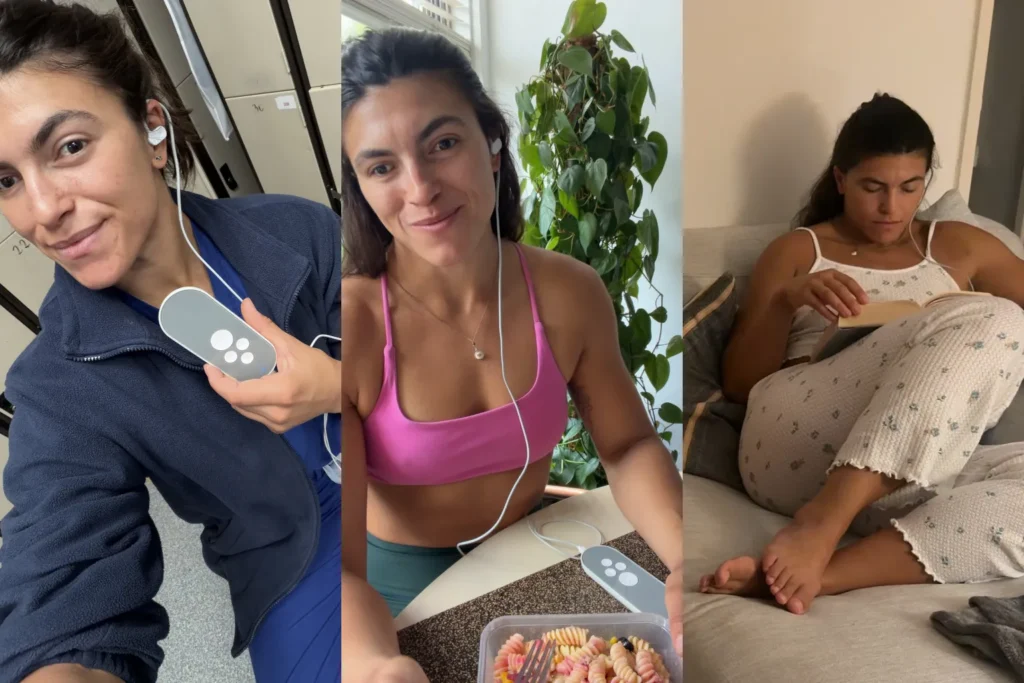
My protocol fits around training, not instead of it. Nurosym clips to the ear, wired, not wireless. No app, no gel, no technique to learn. I use it during time I’m already resting:
- At work: 15 minutes in our quiet break room, reading, instead of reaching for another coffee
- After training: 30 to 45 minutes while eating my post-WOD meal or cooling down
- Rest days: up to 60 minutes in the evening, reading before sleep
Sessions run from 15 minutes to an hour, and the sensation is a gentle, adjustable tingle. You can wear it while eating, reading or watching film of your lifts. Not during the workout itself, and not in the shower. I carry it in whichever bag I have, gym bag or hospital bag. È diventato automatico come preparare il pranzo.
Who This Might Be For
- The athlete whose HRV has stayed flat despite structured training, sleep and nutrition
- The one whose soreness and fatigue between sessions aren't clearing the way they should
- The competitor who notices gut symptoms or an emotional drop-off in high-pressure moments
- Anyone carrying pressure outside the gym: shift work, demanding jobs, new parents, long desk hours. Your nervous system doesn't tell the difference.
Who This Isn’t For
This is one layer of support, not a replacement for sleep, nutrition, training or medical care. If something feels wrong beyond tiredness, see your GP first.
Do not use it if you have a pacemaker or implantable cardiac device, are pregnant, have had a recent serious cardiac event, or are under 18. Always consult a qualified healthcare professional before starting.
The Price, Put Honestly
Nurosym costs €700. That’s a real number, and I’m not going to pretend it isn’t.
Spread over the first year, it comes to about €58 a month, or roughly €1.90 a day. Compare that with what many of us already spend each month on supplements, cold plunge access and the next recovery product. Those costs don’t stop. A device you use most days is a different kind of maths.
Try It Out
garanzia di rimborso di 30 giorni. A full training block is enough time to see whether your recovery numbers move.
It isn’t an overnight change, and individual results vary.
La mia sincera opinione
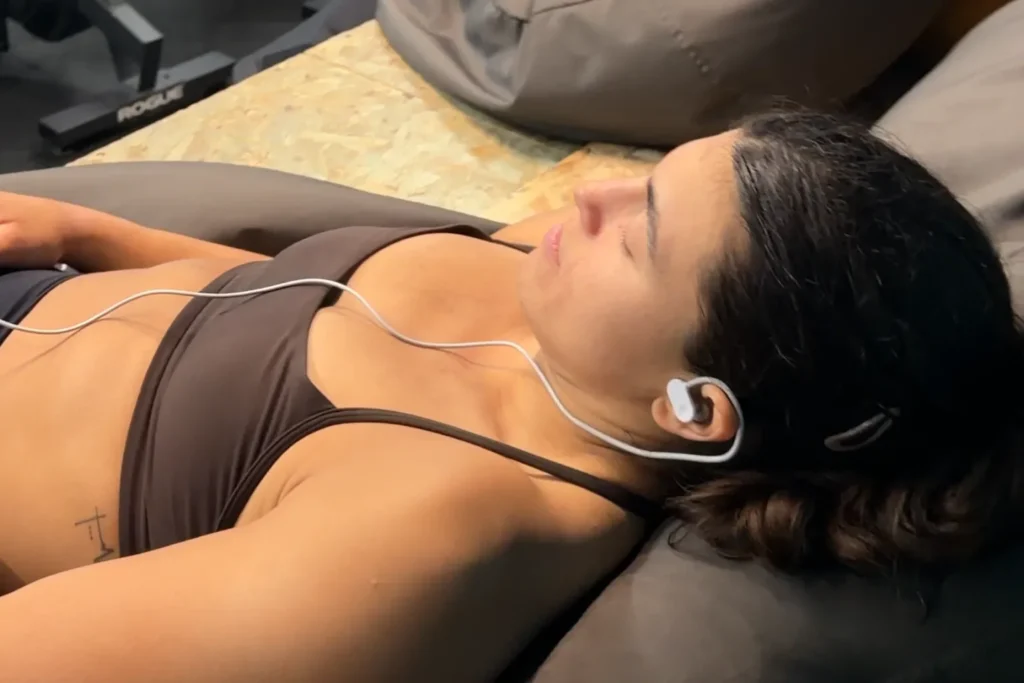
I spent eighteen months trying to move a number that would not move. My HRV went from 52 to 61. My resting overnight heart rate dropped four beats. My gut flare-ups during shifts reduced. My DOMS started clearing the way it was supposed to.
I WOD duri non sono diventati più facili. Ho semplicemente smesso di arrivare a loro già esausto.
The same pattern shows up in people who have never set foot in a CrossFit gym: parents running on broken sleep, professionals under constant pressure. The circumstances differ. The load on the nervous system is the same.
If you recognised yourself in three or more of the signs at the start of this article, the missing piece may be worth a look. The number is just the readout. What changed underneath it is what matters.
OFFERTA ESCLUSIVA PER I NOSTRI LETTORI: Ottieni il 5% di sconto su Nurosym dal nostro team editoriale!
Riferimenti
- Williams S, et al. Heart Rate Variability is a Moderating Factor in the Workload-Injury Relationship of Competitive CrossFit Athletes. Journal of Sports Science & Medicine. 2017. https://pmc.ncbi.nlm.nih.gov/articles/PMC5721172/
- Geng D, et al. The effect of transcutaneous auricular vagus nerve stimulation on HRV in healthy young people. PLoS ONE. 2022. https://doi.org/10.1371/journal.pone.0263833
- Forte G, et al. Ear your heart: transcutaneous auricular vagus nerve stimulation on heart rate variability in healthy young participants. PeerJ. 2022. https://pmc.ncbi.nlm.nih.gov/articles/PMC9638401/
- Dasari TW, et al. Noninvasive low-level tragus stimulation attenuates inflammation and oxidative stress in acute heart failure. Clinical Autonomic Research. 2023. https://link.springer.com/article/10.1007/s10286-023-00997-z
- Breit S, et al. Vagus nerve as modulator of the brain-gut axis in psychiatric and inflammatory disorders. Frontiers in Psychiatry. 2018. https://doi.org/10.3389/fpsyt.2018.00044
- Dolcini J, et al. Vagal nerve stimulation and widespread pain: an additional therapeutic option. Clinical and Experimental Rheumatology. 2025;43(6):1095-1104. PMID: 40576705. https://doi.org/10.55563/clinexprheumatol/johqvo
- Verbanck P, et al. Transcutaneous Auricular Vagus Nerve Stimulation (tVNS) can Reverse the Manifestations of the Post-Viral Fatigue Syndrome: A Pilot Study. 2021. https://www.semanticscholar.org/paper/Transcutaneous-Auricular-Vagus-Nerve-Stimulation-of-Verbanck-Corazza/8a39f3f621d92576369d988a59bf617e3935cf36
This article reflects my professional evaluation of the evidence and personal experience. This article is published in partnership with Nurosym. I may receive compensation from purchases made through links in this article. This is not medical advice, always consult a qualified health professional before starting any new intervention. Individual results may vary.



 Italian
 English
 German
 French
 Spanish
 Swedish