
Wichtige Punkte
- Weltweit sind Millionen Menschen von postviraler Müdigkeit betroffen. Viele leiden noch lange nach dem Abklingen der Erstinfektion unter anhaltender Müdigkeit, geistiger Verwirrung und Muskelschwäche.
- Researchers are beginning to understand the biological mechanisms behind this symptom, though diagnosis remains challenging.
- Evidenzbasierte Strategien —wie Tempo, Schlafunterstützung, Stressbewältigung und Ernährungsbilanz— können dazu beitragen, das tägliche Leben zu verbessern.
- New therapies, including wearable devices targeting nervous system balance, are being studied, but findings are still early.
Die anhaltende Erschöpfung, vor der Sie niemand gewarnt hat
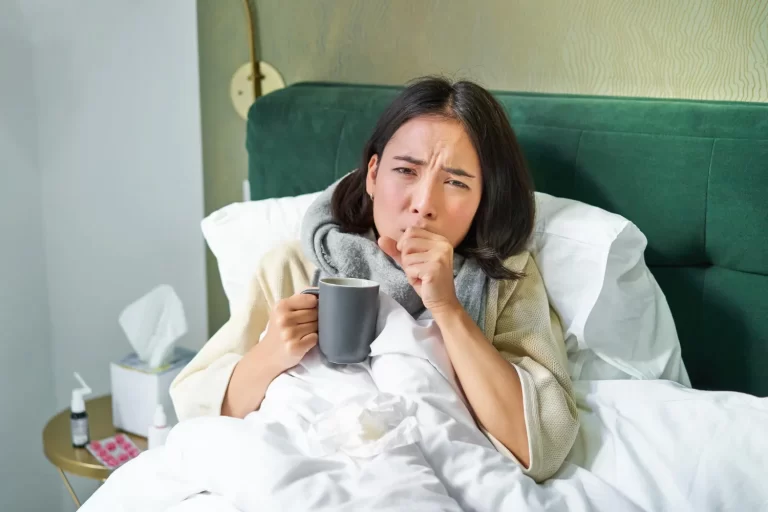
For some people, recovering from a virus doesn’t end when the fever breaks or the cough subsides. Weeks—or even months—later, they’re still battling an invisible weight: deep tiredness, mental fog, and a body that doesn’t feel quite right. This is post-viral fatigue, a cluster of symptoms that has received more attention in recent years, particularly after COVID-19.
Was es so schwierig macht, ist nicht nur die Erschöpfung selbst, sondern auch die Unsicherheit, die sie mit sich bringt. Wie lange wird es dauern? Warum passiert es einigen und anderen nicht? Und am wichtigsten— wie gewinnen Sie Ihr Leben zurück, wenn Ihre Energie dauerhaft vermindert zu sein scheint?
Warum postvirale Müdigkeit dringende Aufmerksamkeit verdient
Studies estimate that 10–30% of people experience prolonged symptoms after viral infections—from influenza to Epstein-Barr virus to COVID-19. For many, these symptoms disrupt work, relationships, and mental well-being. Left unmanaged, they can spiral into a cycle of reduced activity, social isolation, and worsening health.
The challenge is that post-viral fatigue is not always recognised early. Unlike a broken bone, there’s no clear diagnostic test. Symptoms can overlap with depressive states, sleep problems, or other chronic symptoms, which means people often go months before receiving validation and support. These overlaps do not mean the problem is psychological; they simply make diagnosis slower.
Kennzeichnende Symptome und die täglichen Auswirkungen auf die Lebensqualität
Many people describe post-viral fatigue as “hitting a wall.” The crash can be physical, mental, or both, and it goes far beyond ordinary tiredness. Many report persistent exhaustion that is not relieved by rest, coupled with brain fog that makes concentrating, remembering details, or even following conversations unusually difficult.
Muscle aches and weakness are common, adding to the sense that the body is drained of energy. Sleep problems—whether difficulty falling asleep, staying asleep, or waking unrefreshed—compound the cycle, leaving people feeling depleted around the clock. Some also experience rapid heartbeat or dizziness when standing, sometimes linked with postural heart rate abnormalities. For others, even normal sensory input, such as bright lights, loud sounds, or stressful situations, feels overwhelming.
Not everyone experiences the same mix of symptoms, but these issues can significantly limit daily activity and contribute to post-exertional worsening in some individuals.
Die Wissenschaft hinter postviraler Müdigkeit: Was Forscher bisher wissen
Obwohl sich die Forschung noch in der Entwicklung befindet, haben sich mehrere biologische Erklärungen herauskristallisiert:
- Fehlzündungen des Immunsystems: Viral infections may trigger long-lasting inflammation, which keeps the body in “alert mode” even after the virus is gone.
- Ungleichgewicht des Nervensystems: The autonomic nervous system, which regulates heart rate, digestion, and the stress response, often shows disruptions—explaining why some users experience rapid heartbeat, dizziness, or gut issues.
- Mitochondriale Veränderungen: Early studies suggest that energy-producing structures are inside cells, but this remains a developing area.
- Brain signalling disruptions: Neuroimaging studies point to altered connectivity in areas tied to attention, memory, and tiredness perception.
What complicates matters further is that these mechanisms vary from person to person. This diversity makes one-size-fits-all solutions unlikely, reinforcing the need for personalised strategies.
Praktische Strategien: Evidenzbasierte Möglichkeiten zur Behandlung von Symptomen
There is currently no single therapy proven to resolve symptoms for everyone, but experts emphasise a multi-layered approach:
1. Energietempo und Aktivitätsmanagement
- Break tasks into smaller steps and alternate activities with rest.
- Verwenden Sie eine “Stopp vor dem Absturz” Regel: Halten Sie inne, bevor die Symptome aufflammen, auch wenn Sie sich im Moment dazu in der Lage fühlen.
2. Schlafhygiene und erholsame Erholung
- Halten Sie einen konsistenten Schlafplan ein.
- Begrenzen Sie die Bildschirmnutzung vor dem Schlafengehen und schaffen Sie eine ruhige Schlafumgebung.
- Kurze Nickerchen am Tag können hilfreich sein, lange Nickerchen können jedoch den Nachtschlaf stören.
3. Stressabbau und Unterstützung des Nervensystems
- Mindfulness, gentle breathing exercises, or yoga can help rebalance stress response.
- Some individuals report benefit from CE-marked non-invasive vagal neuromodulation systems, wearable devices that stimulate the vagus nerve to support autonomic balance. Early studies show no serious adverse events to date, though these devices are still under scientific investigation.
4. Ernährungs- und Hydratationsstrategien
- Streben Sie ausgewogene Mahlzeiten mit ausreichend Protein, komplexen Kohlenhydraten und Mikronährstoffen an.
- Eine ausreichende Flüssigkeitszufuhr kann in manchen Fällen Schwindel und Herzrasen lindern.
5. Sanfte Bewegung und schrittweise Rehabilitation
- Light stretching, short walks, or low-intensity exercises may improve stamina—but should be tailored carefully to avoid post-exertional symptom exacerbation (PESE), where symptoms worsen after even minor activity.
- Any increase in activity should be gradual and based on symptom stability.
Einblicke in die reale Welt: Was Umfragen uns über gelebte Erfahrungen sagen
Large surveys reveal just how widespread post-viral fatigue has become. In one UK Office for National Statistics report, a notable share of people who had a viral infection reported lingering tiredness, brain fog, or disrupted sleep lasting more than 12 weeks. Similar findings have emerged in U.S. research: a 2023 NIH study found that post-viral fatigue was among the most common long-term effects reported after COVID-19, often interfering with work, caregiving, and daily routines.
These population-level findings highlight the lived impact of the symptom: missed workdays, reduced productivity, and the strain of adapting to unpredictable energy levels. For many, it’s not just about “feeling tired” but about reshaping everyday life to accommodate new physical limits.
Die Zukunft der Pflege: Neue Therapien und laufende Forschung
While lifestyle strategies remain central to coping with post-viral fatigue, scientists are rapidly investigating new solutions that could offer more targeted relief.
One area of focus is anti-inflammatory therapies designed to quiet an overactive immune system that may prolong symptoms. Researchers are also studying wearable devices that can help rebalance brain–body signalling, including CE-marked non-invasive vagal neuromodulation systems, which have shown encouraging early results without serious adverse events.
Other studies are exploring nutritional supplements aimed at supporting mitochondrial energy production, a potential way to address the cellular-level inefficiency that leaves many feeling chronically drained.
Rehabilitation programs tailored specifically for post-viral fatigue are also gaining ground. These programs combine energy pacing, gentle physical activity, and psychological support to help users rebuild stamina without triggering setbacks.
Although many of these approaches remain in development, the growing volume of research reflects a shift: post-viral fatigue is finally being recognised as a serious health issue worthy of dedicated therapies, bringing cautious optimism for the future.
Weiterkommen: Besser leben mit postviraler Müdigkeit
Mit postviraler Müdigkeit zu leben ist nicht einfach. Es erfordert Geduld, Kreativität und oft eine Neudefinition dessen, wie “normal” aussieht. Doch mit Tempostrategien, unterstützenden Therapien und neuen Innovationen kann sich die Lebensqualität verbessern.
Wenn die Symptome länger als ein paar Wochen anhalten, sollten Sie einen Arzt konsultieren, der sich mit postviraler Müdigkeit auskennt. Zu den zuverlässigen Ressourcen gehören die Zentren für die Kontrolle und Prävention von Krankheitenthe National Institutes of Health, and user advocacy organisations that provide guidance and community support.
Die Erholung verläuft möglicherweise nicht linear—, aber jeder Schritt nach vorne, so klein er auch sein mag, ist sinnvoll.
Ihre nächsten Schritte
Stay informed as new research on post-viral fatigue, autonomic balance, and recovery tools continues to evolve. Subscribe for free to get concise, expert-reviewed updates delivered to your inbox.
Dieser Blogbeitrag soll informativ sein und sollte keine professionelle Gesundheitsberatung ersetzen. Konsultieren Sie immer einen Arzt, um eine individuelle Beratung zu erhalten.
Quellen
- Ozanic K, Sakurada A, Ferreira A, Lucia V, Diniz CG. Long COVID: General Perceptions and Challenges in Diagnosis and Management. COVID [Internet]. 2025 Mar 12;5(3):41. Available from: https://www.researchgate.net/publication/389800878_Long_COVID_General_Perceptions_and_Challenges_in_Diagnosis_and_Management
- Al-Hakeim HK, Al-Rubaye HT, Al-Hadrawi DS, Almulla AF, Maes M. Long-COVID post-viral chronic fatigue and affective symptoms are associated with oxidative damage, lowered antioxidant defenses and inflammation: a proof of concept and mechanism study. Molecular Psychiatry [Internet]. 2022 Oct 24 [cited 2023 May 3];28(2):564–78. Available from: https://www.ncbi.nlm.nih.gov/pmc/articles/PMC9589528/
- Livieratos A, Lockley SW, Tsiodras NS. Post infectious fatigue and circadian rhythm disruption in long-COVID and other infections: a need for further research. EClinicalMedicine. 2025 Jan 18;80:103073–3.
- Choi YJ, Lee JS, Joung JY, Hwang SJ, Kim YY, Son CG. Mitigating fatigue in long COVID patients with MYPplus: a clinical observation. BMC Infectious Diseases. 2025 Apr 26;25(1).
- Sandler CX, Wyller VBB, Moss-Morris R, Buchwald D, Crawley E, Hautvast J, et al. Long COVID and Post-infective Fatigue Syndrome: A Review. Open Forum Infectious Diseases [Internet]. 2021 Sep 9 [cited 2022 Mar 23];8(10):ofab440. Available from: https://www.ncbi.nlm.nih.gov/pmc/articles/PMC8496765/
- Ostojic SM, Candow DG, Tarnopolsky MA. Creatine and post-viral fatigue syndrome: an update. Journal of the International Society of Sports Nutrition. 2025 Jun 6;22(sup1).
- Khan MWZ, Ahmad M, Qudrat S, Afridi F, Khan NA, Afridi Z, et al. Vagal nerve stimulation for the management of long COVID symptoms. Infectious Medicine [Internet]. 2024 Nov 8;100149. Available from: https://www.sciencedirect.com/science/article/pii/S2772431X24000637
- Office for National Statistics. Prevalence of ongoing symptoms following coronavirus (COVID-19) infection in the UK – Office for National Statistics [Internet]. www.ons.gov.uk. Available from: https://www.ons.gov.uk/peoplepopulationandcommunity/healthandsocialcare/conditionsanddiseases/bulletins/prevalenceofongoingsymptomsfollowingcoronaviruscovid19infectionintheuk/1december2022
- NIH. Large study provides scientists with deeper insight into long COVID symptoms [Internet]. National Institutes of Health (NIH). 2023. Available from: https://www.nih.gov/news-events/news-releases/large-study-provides-scientists-deeper-insight-into-long-covid-symptoms



 German
  English
  French
  Spanish
This explains so much—finally feels like someone understands what we go through.
Really helpful, especially for anyone who wish to understand and to be understood especially these days where the world moves fast enough for us to catch up and gives fatigue.