
Wichtige Punkte
- Inflammation, the body’s essential defence, can become harmful if it persists.
- Akute Entzündungen heilen ab; chronische Entzündungen tragen zu anhaltenden Gesundheitsproblemen bei.
- Alltägliche Gewohnheiten – Ernährung, Bewegung, Erholung, Stressbewältigung – können dazu beitragen, Entzündungen zu lindern.
- Neue Strategien und aufkommende Therapien bieten zusätzliche Möglichkeiten, das Wohlbefinden zu fördern.
- Chronic inflammation often progresses silently, affecting multiple systems before visible symptoms appear.
Eine stille Flamme: Wenn der Alarm des Körpers nicht abschaltet
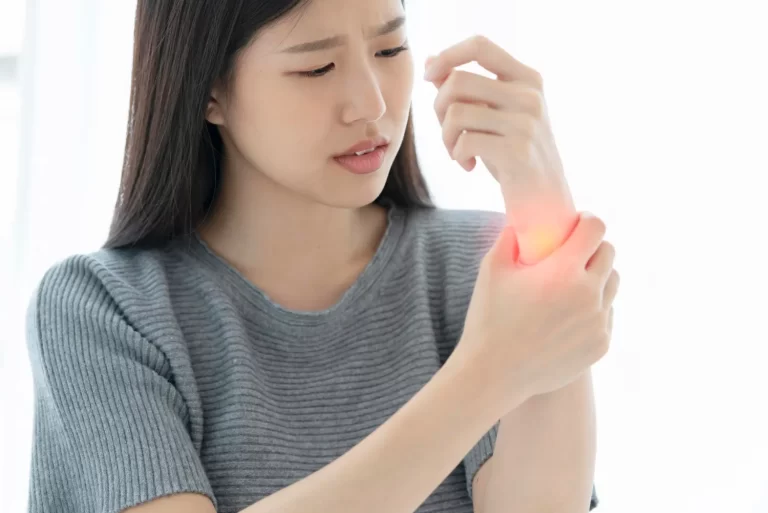
Swelling, warmth, and redness—classic signs of inflammation—are the body’s way of healing injury or fighting off infection. But sometimes, that alarm stays on without a clear reason. Medical experts describe this persistent immune activation as “chronic inflammation.” Unlike acute inflammation, which resolves after healing, chronic inflammation can continue quietly beneath the surface—even before a person notices changes. It can quietly damage tissues over time, contributing to conditions like joint pain and heart problems.
Von Heilung zu Schaden: Akute vs. chronische Entzündungen verstehen
Entzündungen sind ein zweiseitiger Prozess mit unterschiedlichen Funktionen:
- Akute Entzündung is short-lived and protective. When tissues are injured or infected, the immune system responds with redness, swelling, and pain to bring in repair cells.
- Chronische Entzündung, in contrast, can last for weeks, months, or even years when the inflammatory response doesn’t resolve. It often involves different immune cells and contributes to tissue damage, scarring, and ongoing symptoms.
- Chronic inflammation engages not just the innate immune system but also adaptive pathways, creating long-term changes in how the body responds to perceived threats.
Die Auswirkungen: Wie chronische Entzündungen die Gesundheit untergraben
Chronic inflammation isn’t just a localised issue—it ripples across multiple body systems:
- Herzgesundheit: Persistent inflammation plays a role in arterial plaque formation and heart problems.
- Stoffwechsel: Inflammatory signals can interfere with insulin sensitivity, contributing to blood sugar imbalance and metabolic strain.
- Stimmung und Gehirn: Emerging evidence suggests that inflammatory chemicals (cytokines) influence mood regulation, possibly contributing to anxious thoughts and depressive states.
- Verdauungs- und Gelenkgesundheit: Inflammatory gut issues and joint discomfort are commonly connected to immune overactivity.
Alltägliche Auslöser, die die Flamme am Brennen halten
Not all inflammation comes from infections or injuries. Everyday habits and environmental factors often unintentionally contribute to chronic low-grade inflammation:
- Diets high in ultra-processed foods, added sugars, and unhealthy fats (trans fats and excessive saturated fats) can increase inflammatory activity.
- Poor sleep elevates inflammatory markers like IL-6 and CRP, making restorative rest a key part of inflammation control.
- Sedentary lifestyles and poor sleep disrupt immune balance.
- Chronic psychological stress and environmental pollutants—such as smoking and air pollution—sustain inflammatory responses.
- Altered gut health and increased intestinal permeability may also worsen the inflammatory load.
Evidenzbasierte Strategien zur natürlichen Linderung von Entzündungen
Die gute Nachricht? Um diese stille Flamme zu beruhigen, sind keine radikalen Veränderungen erforderlich – nur konsequente, evidenzbasierte Schritte:
- Entzündungshemmende Ernährung
The Mediterranean diet—rich in berries, leafy greens, whole grains, legumes, olive oil, and fatty fish—is strongly linked to lower inflammation and reduced disease risk. Whole foods, like vegetables, fruits, legumes, lean proteins, and omega-3–rich seafood, supply anti-inflammatory compounds. - Bewegen Sie sich regelmäßig
Even moderate activity, such as walking, yoga, or cycling, helps lower inflammatory markers and supports systemic health. - Prioritise Restful Sleep
Aim for 7–9 hours per night. Good sleep supports immune regulation and helps reduce inflammation. - Manage Stress with Mind-Body Approaches
Mindfulness, relaxation, and time in nature can lower stress-induced inflammation. - Monitor mit Vorsorgeuntersuchungen
Testing inflammatory markers such as high-sensitivity C-reactive protein (hs-CRP) helps uncover hidden inflammation before it becomes problematic. - Ergänzungsmittel mit Bedacht einnehmen
Omega-3 fatty acids (EPA and DHA) have shown benefits in reducing inflammation in joint pain and cardiovascular health—but findings are mixed, and not universal. In some cases, imbalanced omega-3 intake relative to omega-6 can alter immune activity, leading to variations in inflammatory biomarkers. A randomised study also showed reduced age-related inflammation after multinutrient plus omega-3 supplementation.
Innovativ Ansätze: Neue Therapien und präventive Innovationen
Über die täglichen Gewohnheiten hinaus erweitern neue Therapien die verfügbaren Mittel zur Regulierung von Entzündungen:
- Tragbare Neuromodulation: CE-marked non-invasive vagal stimulation devices are showing promise in dampening inflammatory signalling through neural pathways.
- Präzisionsernährung: Tailored dietary plans based on microbiome and genetic profiling offer a personalised approach.
- Gezielte molekulare Therapien: Experimental approaches aim to block specific inflammatory mediators without suppressing the immune system entirely. For example, some therapies target cytokines involved in chronic inflammatory cascades.
Das Fazit: Alltägliche Entscheidungen, dauerhafte Ausgewogenheit
Inflammation is both a crucial ally and an underlying driver of disease risk. When it becomes chronic, it can quietly erode health across systems. But you’re not powerless. By embracing whole-food nutrition, moving daily, prioritising rest, managing stress, and staying proactive with preventive care, you can help keep that internal flame glowing, not burning.
Ihre nächsten Schritte
Want more science-backed insights on lowering inflammation and supporting whole-body wellness? Subscribe for free to get expert-reviewed health articles delivered to your inbox.
Dieser Blogbeitrag soll informativ sein und sollte keine professionelle Gesundheitsberatung ersetzen. Konsultieren Sie immer einen Arzt, um eine individuelle Beratung zu erhalten.
Quellen
- Kerlikowsky F, Krüger K, Hahn A, Schuchardt JP. Multimicronutrient and omega-3 fatty acid supplementation reduces low-grade inflammation in older participants: An exploratory study. Nutrition Research. 2025 Aug;140:46–58.
- Bonaz B. Non-invasive vagus nerve stimulation: the future of inflammatory bowel disease treatment? Bioelectronic Medicine. 2023 Nov 29;9(1).
- Zotova NV, Zhuravleva Y, Chereshnev VA, Gusev EI. Acute and Chronic Systemic Inflammation: Features and Differences in the Pathogenesis, and Integral Criteria for Verification and Differentiation. International Journal of Molecular Sciences. 2023 Jan 6;24(2):1144–4.
- Pahwa R, Jialal I, Goyal A. Chronic inflammation [Internet]. National Library of Medicine. StatPearls Publishing; 2023. Available from: https://www.ncbi.nlm.nih.gov/books/NBK493173/
- Chavda VP, Feehan J, Apostolopoulos V. Inflammation: The Cause of All Diseases. Cells [Internet]. 2024 Nov 18;13(22):1906. Available from: https://mdpi-res.com/bookfiles/topic/7916/Inflammation_The_Cause_of_All_Diseases.pdf?v=1732586799
- Boots EA, Feinstein DL, Leurgans S, Aiken-Morgan AT, Fleischman DA, Lamar M, et al. Acute versus chronic inflammatory markers and cognition in older black adults: Results from the Minority Aging Research Study. Brain, Behavior, and Immunity. 2022 Jul;103:163–70.



 German
  English
  French
  Spanish
This was such a comforting read. I like how it focuses on things we can do every day instead of making health feel scary or complicated
Didn’t realise things like sleep and stress had such a big link to inflammation. Definitely made me think about slowing down a bit.