

Durch VJ Hamilton, Clinical Nutritionist & Autoimmunity Specialis| Published on August 25, 2025 Medically reviewed by Dr Anne Therese Bernadette Laudato, MD

Man kann alle richtigen Dinge tun — und hat trotzdem das Gefühl, dass sich langsam etwas auflöst.
Dieses Muster sehe ich in der Klinik immer wieder.
Leistungsstarke Klienten, die auf dem Papier alles “richtig” zu machen scheinen: strukturierte Routinen, durchdachte Ernährung, erfolgreiche Karrieren, vollständige Tagebücher.
Sie sind nicht sichtbar ausgebrannt. Sie würden sich nicht unbedingt als ängstlich bezeichnen.
Und doch herrscht unter der Oberfläche eine stille Erosion.
Energieeinbrüche, die sich nicht vollständig erholen.
Gehirnnebel, der am Nachmittag kriecht.
Verdauung, die scheinbar über Nacht unvorhersehbar wird.
Eine allmähliche Auflösung, die sich nicht auflöst — egal wie diszipliniert die Gewohnheiten, wie sauber die Ernährung oder wie entschlossen die Denkweise ist.
#1. Die verborgenen Kosten des Seins ‘immer an’
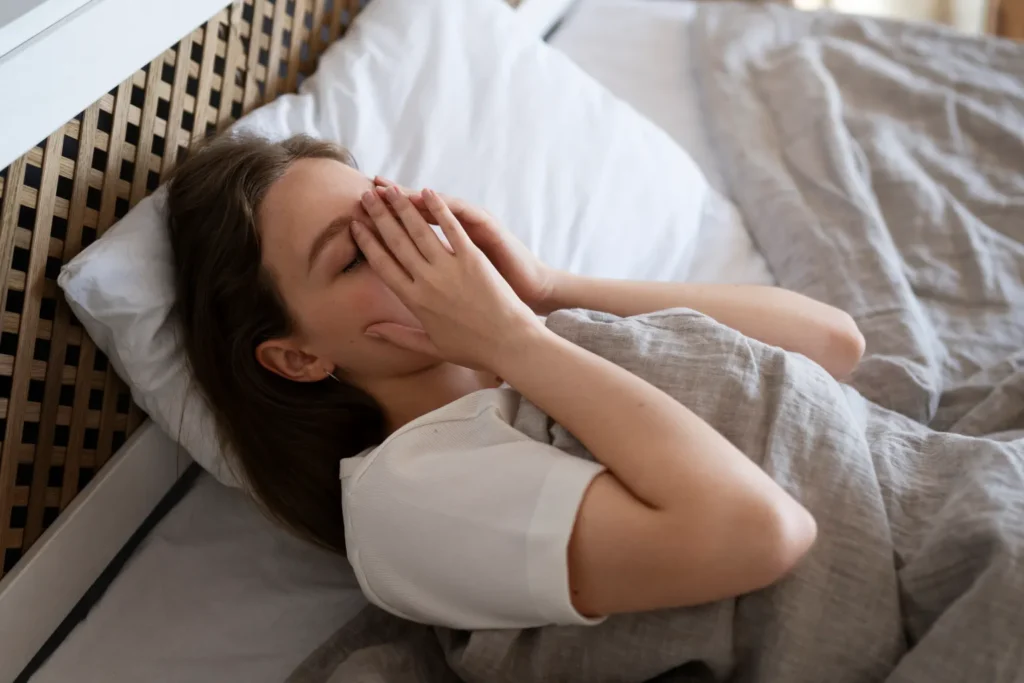
Sie wachen bereits müde auf, greifen nach Koffein und wechseln direkt in den Problemlösungsmodus. Der Tag ist produktiv, aber nie erholsam.
Für viele Leistungsträger fühlt sich das Abbremsen nicht neutral an — es fühlt sich wie ein Misserfolg an. Oft besteht die unausgesprochene Überzeugung, dass Ruhe verdient, gerechtfertigt oder aufgeschoben werden muss.
Eine Kundin, Projektmanagerin und Mutter von zwei Kindern, drückte es prägnant aus:
“Ich dachte immer, ich müsste mich mehr anstrengen. Aber je mehr ich mich anstrengte, desto schlechter fühlte ich mich.”
Das ist kein Mangel an Resilienz.
Und Faulheit ist es sicher nicht.
Es ist Physiologie.
#2. Wenn Leistungsträger anfangen, zusammenzubrechen
Es kann sein, dass es nicht als Angst im herkömmlichen Sinne registriert wird. Aber vielleicht erkennen Sie sich hier wieder:
- An den meisten Abenden fühle ich mich verkabelt und dennoch erschöpft.
- Wörter verlieren oder einfache Dinge mitten in der Aufgabe vergessen.
- Reizbar werden, ohne dass es einen offensichtlichen Auslöser gibt.
- Blähungen, Trägheit oder eine eintönige Stimmung verspüren, obwohl ich “alles richtig gemacht habe”
Diese Symptome sind selten zufällig.
Sie spiegeln oft ein Nervensystem wider, das in höchster Alarmbereitschaft ist — Ihren Körper so laufen lässt, als wäre er bedroht, selbst wenn das Leben objektiv stabil erscheint.
#3. Das Nervensystem, das Sie ignoriert haben
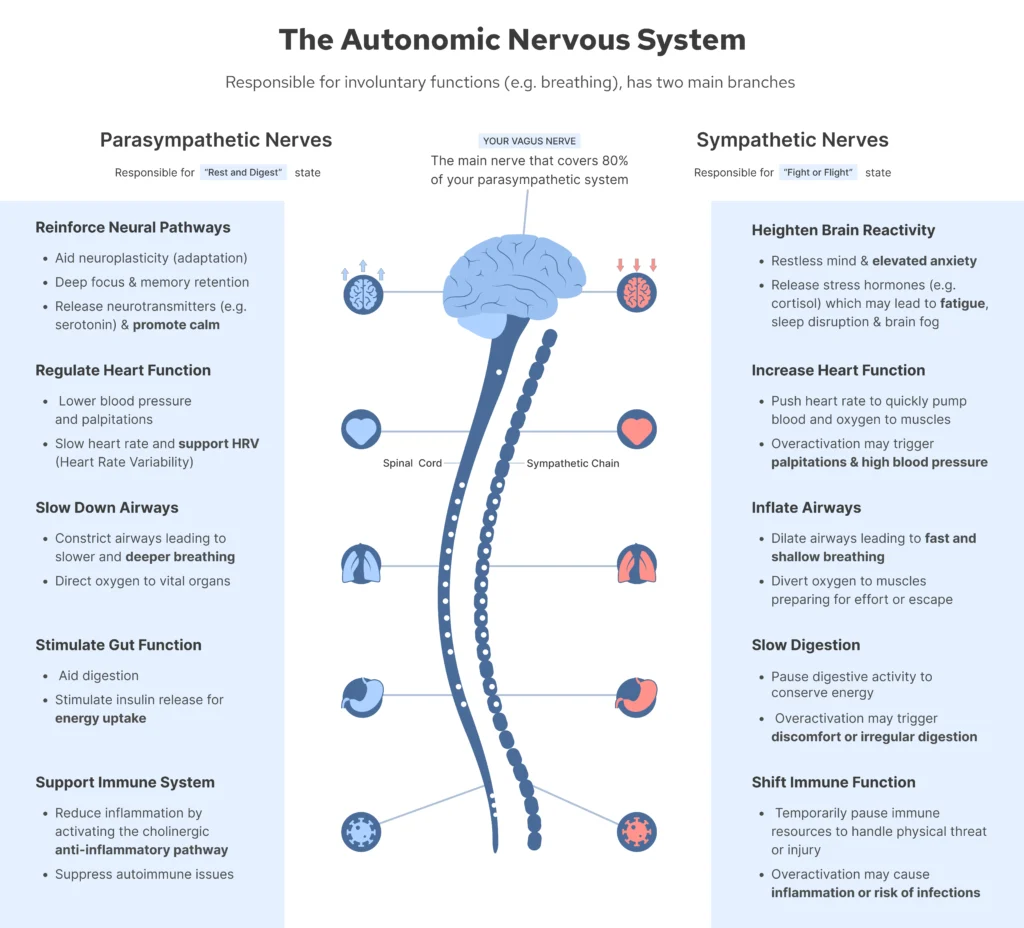
Ihr autonomes Nervensystem funktioniert über zwei Hauptzustände:
- Sympathisch — Kampf, Flucht, Mobilisierung
- Parasympathikus — Ruhe, Verdauung, Reparatur
Der Vagusnerv fungiert als eine Art biologische Schalttafel zwischen beiden. Es spielt eine zentrale Rolle bei:
- Herzratenvariabilität (HRV)
- Verdauung und Darmmotilität
- Stimmungsregulation
- Contrôle de l’inflammation
- Gedächtnis, Konzentration und emotionale Belastbarkeit
Untersuchungen zeigen übereinstimmend, dass der Vagustonus —im Wesentlichen die Funktionsfähigkeit dieses Nervs — eng mit der Erholungsfähigkeit zusammenhängt.
- Addorisio et al., 2019 zeigte, dass eine gezielte Stimulation des Vagusnervs entzündungsfördernde Zytokine wie IL-6 und TNF-α — signifikant reduzierte, zwei Immunbotenstoffe, die bei Autoimmunerkrankungen und chronischen Entzündungszuständen häufig erhöht sind. Wenn diese Zytokine hoch bleiben, bleibt das Immunsystem im Aktivierungsmodus gefangen und verursacht Symptome wie Müdigkeit, Schmerzen, Darmentzündungen und Gehirnnebel.
- Lehrer et al., 2020 zeigte, dass die HRV stark vom Vagustonus, chronischem Stress und entzündlicher Belastung beeinflusst wird.
Wenn der Vagustonus niedrig ist, hat der Körper Schwierigkeiten, aus dem Hochalarmmodus auszusteigen. Die Genesung verläuft nicht mehr effizient und die Symptome entwickeln sich allmählich — oft ohne offensichtlichen Auslöser.
#4. Was passiert, wenn das System nicht zurückgesetzt werden kann?
Chronische sympathische Dominanz präsentiert sich zunächst oft subtil:
- Renngedanken in der Nacht.
- Leichter, unruhiger oder nicht erfrischender Schlaf.
- Verdauungsveränderungen — Blähungen, Verstopfung, Reizdarmsyndrom.
- Geringe Morgenenergie und unerklärliche Stimmungseinbrüche.
Die Forschungsergebnisse belegen dies.
- Camilleri et al., 2022 vagale Dysfunktion direkt mit Reizdarmsyndrom und funktionellen Darmerkrankungen in Verbindung gebracht.
- Sakaki et al., 2016 Es wurde festgestellt, dass eine höhere HRV mit einer besseren emotionalen Regulierung und einer geringeren wahrgenommenen Müdigkeit verbunden ist.
Bei vielen hochfunktionalen Personen kann dieses Muster jahrelang bestehen bleiben und oft durch Produktivität und Belastbarkeit verdeckt werden, bis der Körper nicht mehr auf die üblichen Eingriffe reagiert — und die Symptome deutlicher als Müdigkeit, Entzündungen oder wiederkehrende Schübe auftreten.
#5. Warum gängige Fixes (lange) nicht funktionieren

Applications de méditation.
Therapie
Kälteeinwirkung.
Adaptogene und sorgfältig zusammengestellte Nahrungsergänzungsmittel-Stacks.
Diese Tools können absolut helfen — und ich verwende viele davon klinisch.
Aber sie sind oft unterstützend, nicht korrigierend.
Wenn sich das zugrunde liegende Muster des Nervensystems nicht ändert, ist die Linderung vorübergehend. Die Symptome klingen ab und treten dann wieder auf.
Eine Frau, mit der ich zusammengearbeitet habe, hat es perfekt beschrieben:
“Ich fühlte mich ein paar Wochen, manchmal einen Monat besser — und stürzte dann wieder ab, ohne ersichtlichen Grund.”
Dieser Kreislauf ist kein persönliches Versagen. Dies ist ein Zeichen dafür, dass die zugrunde liegenden Regulationssysteme —insbesondere das Nervensystem — nicht richtig zurückgesetzt werden, sodass die Symptome auch dann erneut auftreten, wenn unterstützende Strategien vorhanden sind.
#6. Die bahnbrechenden Forscher erforschen jetzt
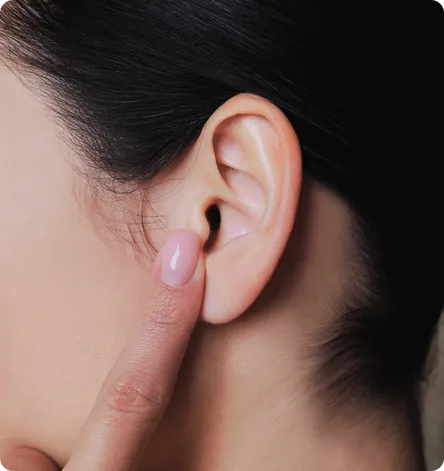
Die Vagusnervstimulation (VNS) wurde ursprünglich für Erkrankungen wie Epilepsie und behandlungsresistente Depressionen entwickelt und chirurgisch durchgeführt.
In jüngerer Zeit hat sich die Aufmerksamkeit auf einen nicht-invasiven Ansatz verlagert: die transkutane aurikuläre Vagusnervstimulation (taVNS), die den Vagusnerv über das Ohr stimuliert.
Untersuchungen von Institutionen wie Harvard, UCLA und Imperial College London haben gezeigt, dass taVNS:
- Verbessert die HRV und spiegelt eine erhöhte parasympathische Aktivität wider
- Verbessert das Gedächtnis und die kognitive Leistung sowohl bei gesunden Personen als auch bei klinischen Populationen
- Verbessert die Schlafqualität und das allgemeine Wohlbefinden
Eine randomisierte klinische Studie aus dem Jahr 2024 ergab signifikante Verbesserungen der Schlafqualität (gemessen über den Pittsburgh Sleep Quality Index) und der Lebensqualität bei Personen mit Schlaflosigkeit im Vergleich zur Scheinstimulation.
Andere Studien und Fallstudien zeigen eine deutliche Verringerung der Angstsymptome, einschließlich Verbesserungen bei validierten Maßnahmen wie dem GAD-7.
#7. Das Werkzeug des Skeptikers, das meine Perspektive veränderte
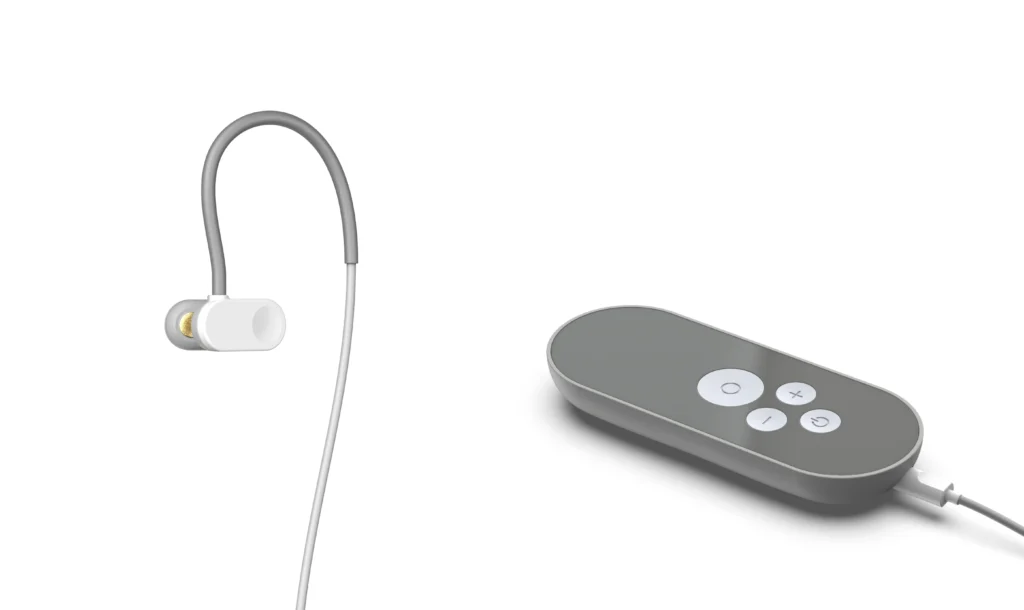
Ich bin vorsichtig mit Wellness-Technologie. Neuheit allein beeindruckt mich nicht.
Aber nachdem ich die Daten überprüft hatte, testete ich selbst Nurosym, ein CE-gekennzeichnetes taVNS-Gerät.
Ich habe es zunächst in besonders anspruchsvollen Arbeitsphasen verwendet, in denen Konzentration und Klarheit am wichtigsten waren. Der Effekt war nicht dramatisch oder unmittelbar auf offensichtliche Weise — er war subtiler als das. Eher ein Gefühl geistiger Beständigkeit, als ob die Hintergrundgeräusche nachgelassen hätten.
Im Laufe der Zeit fiel auf, wie viel effizienter ich mich vom Stress erholte und wie viel weniger reaktiv ich mich unter Druck fühlte.
Zu diesem Zeitpunkt begann ich, es selektiv Kunden anzubieten, die offensichtlich auf sympathischem Overdrive feststeckten.
Einige berichteten:
Zum ersten Mal seit Monaten durchschlafen
Sich ruhiger und präsenter in der Familie fühlen
Reduzierte Blähungen und Verdauungsbeschwerden
Laut Nurosyms Daten:
- 61 % Steigerung der Vagusaktivierung innerhalb von Minuten
- 78 %ige Reduktion wichtiger Entzündungsmarker
- 45 % Verbesserung der Stimmungswerte
#8. Wer könnte davon profitieren — und wer sollte es nicht nutzen

Kann hilfreich sein für:
- Hochstressprofis mit “verdrahteten, aber müden” Energiemustern
- Diejenigen, deren Verdauungssymptome mit Stress aufflammen
- Personen mit Schlafstörungen trotz starker Fundamente
Nicht geeignet, wenn Sie:
- Haben Sie einen Herzschrittmacher oder ein implantierbares Herzgerät?
- Are pregnant
- Hatten kürzlich einen schweren Herzvorfall
- Sind unter 18
#9. Eine sichere Möglichkeit, es zu erkunden

Nurosym bietet derzeit:
- 30-tägigen Geld-zurück-Garantie
- Begrenzte Studienteilnahmeplätze, wobei einige Benutzer Anspruch auf einen Zuschuss von €70 im Austausch für Feedback haben
Wenn Sie neugierig sind, kann ich Ihnen dabei helfen, dies neben Ernährung, Atemarbeit und somatischen Praktiken zu integrieren — anstatt es als eigenständige Lösung zu betrachten.
Abschließende Gedanken:
Was wäre, wenn Gehirnnebel, Darmflares oder schwindende Motivation keine persönlichen Mängel, sondern physiologische Signale wären?
Signalisiert, dass das Nervensystem eine andere Art der Unterstützung benötigt.
Wenn Sie aufhören, diese Muster als Willenskraftproblem zu interpretieren, wird es möglich, mit Ihrer Biologie statt dagegen zu arbeiten — und in vielen Fällen ein Gefühl von Stabilität und Klarheit zurückzugewinnen.
Referenzen:
- Addorisio, ME, Imperato, GH, de Vos, AF, Forti, S., Goldstein, RS, Pavlov, VA, van der Poll, T., Yang, H., Diamond, B., Tracey, KJ und Chavan, SS (2019). Untersuchungsbehandlung der rheumatoiden Arthritis mit einem vibrotaktilen Gerät, das am Außenohr angebracht wird. Bioelektronische Medizin, 5, 4. https://doi.org/10.1186/s42234-019-0020-4
- Camilleri, M. (2023). Elektrische Geräte für funktionelle viszerale Schmerzen. Neurogastroenterologie und Motilität, 35(3), e14518. https://doi.org/10.1111/nmo.14518
- Kong, J., Fang, J., Park, J., Li, S. und Rong, P. (2018). Behandlung von Depressionen mit transkutaner Stimulation des Ohrvagusnervs: Stand der Technik und Zukunftsperspektiven. Grenzen der Psychiatrie, 9, 20. https://doi.org/10.3389/fpsyt.2018.00020
- Lehrer, P., Kaur, K., Sharma, A., Shah, K., Huseby, R., Bhavsar, J., Sgobba, P., & Zhang, Y. (2020). Biofeedback zur Herzfrequenzvariabilität verbessert die emotionale und körperliche Gesundheit und Leistungsfähigkeit: Eine systematische Überprüfung und Metaanalyse. Angewandte Psychophysiologie und Biofeedback, 45(3), 109–129. https://doi.org/10.1007/s10484-020-09466-z
- Redgrave, J., Day, D., Leung, H., Laud, PJ, Ali, A., Lindert, R., & Majid, A. (2018). Sicherheit und Verträglichkeit der transkutanen Vagusnervstimulation beim Menschen; Eine systematische Übersicht. Hirnstimulation, 11(6), 1225–1238. https://doi.org/10.1016/j.brs.2018.08.010
- Stavrakis, S., Elkholey, K., Morris, L., Niewiadomska, M., Asad, ZUA, Humphrey, MB, et al. (2022). Neuromodulation von Entzündungen zur Behandlung von Herzinsuffizienz mit erhaltener Ejektionsfraktion: Eine randomisierte klinische Pilotstudie. Zeitschrift der American Heart Association, 11(3), e023582. https://doi.org/10.1161/JAHA.121.023582
- Parasymgesundheit. (2021). Vagusnervstimulationsgeräte: Ultimativer GesundheitsleitfadenParasym https://www.parasym.co/parasym-device-transcutaneous-vagus-nerve-stimulation.html

VJ Hamilton, Clinical Nutritionist & Autoimmunity Specialist
VJ is an autoimmune disease expert and functional medicine practitioner who has helped hundreds of people rebuild their strength, rebalance their immune systems, and reclaim their energy.
Der Artikel stellt in keiner Weise eine medizinische Beratung dar. Bitte konsultieren Sie einen zugelassenen Arzt, bevor Sie eine Behandlung beginnen. Diese Website kann Provisionen für die in diesem Artikel erwähnten Links oder Produkte erhalten.
Teilen über:


 German
  English
  French
  Spanish