
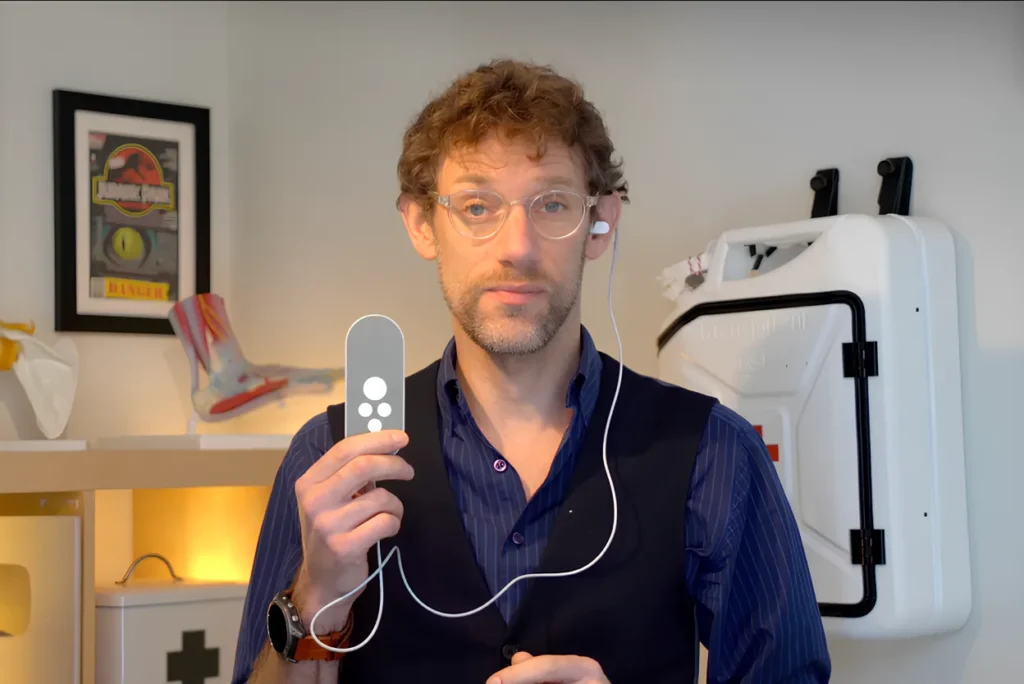
Mehr als die Hälfte aller Todesfälle weltweit stehen im Zusammenhang mit chronischen Entzündungen. Forscher glauben, dass die Stimulation eines einzelnen Nervs – des Vagusnervs – dies eines Tages ändern könnte. Hier erfahren Sie, was Sie über die Neuromodulation mittels Vagusnervstimulation (VNS) wissen müssen, von ihrer Funktionsweise bis hin zu den Symptomen, die sie behandeln könnte.
Was ist die Stimulation des Vagusnervs?
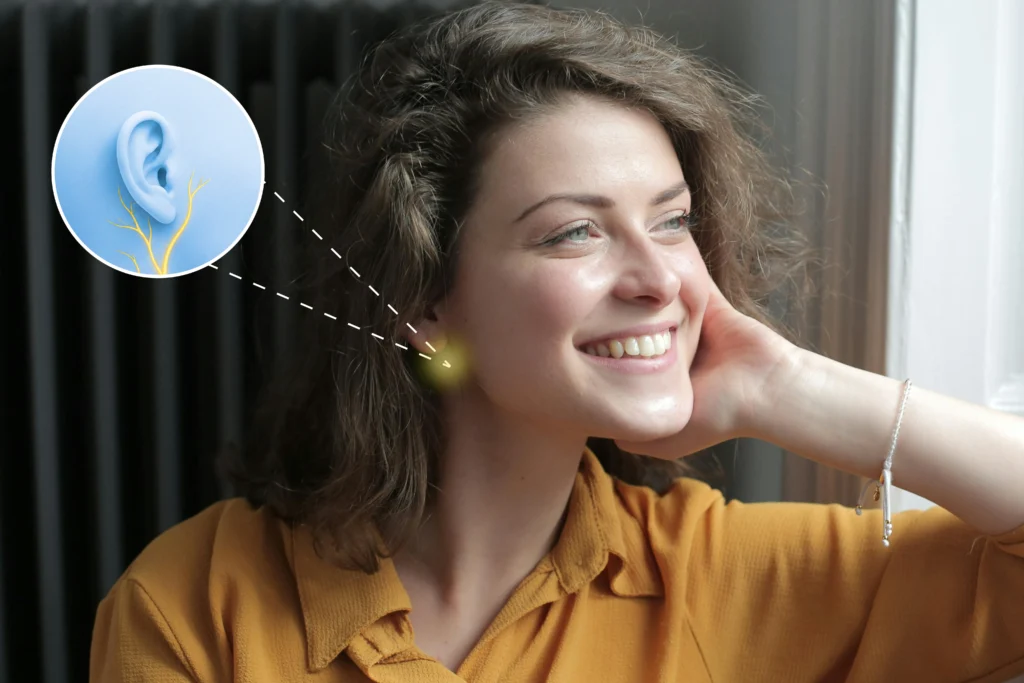
Die Vagusnervstimulation (VNS) ist eine medizinische Lösung, bei der Geräte verwendet werden, um elektrische Impulse an den Vagusnerv, einen der längsten Nerven im Körper, zu übertragen.
Dies trägt dazu bei, das Ausmaß und die Intensität der Entzündung im Körper zu kontrollieren und kann auch die Gehirnaktivität bei Symptomen wie depressiven Zuständen beeinflussen.
VNS ist eine Form der Neuromodulation: die Nutzung gezielter elektrischer, magnetischer oder Ultraschallenergie, um die Kommunikation der Nerven zu verändern. Es liegt im Herzen eines schnell wachsenden Bereichs namens bioelektronische Medizin, der darauf abzielt, Krankheiten zu behandeln, indem er mit dem körpereigenen elektrischen Signalsystem arbeitet, anstatt sich ausschließlich auf Medikamente zu verlassen.
Derzeit ist implantiertes VNS im Vereinigten Königreich für therapieresistente depressive Zustände zugelassen. Derzeit laufen Studien zu mehr als einem Dutzend weiterer Krankheiten und Symptome.
Das Kernversprechen der bioelektronischen Medizin besteht darin, das körpereigene elektrische Signalsystem zur Behandlung von Krankheiten an ihrer Quelle zu nutzen
Was ist der Vagusnerv?
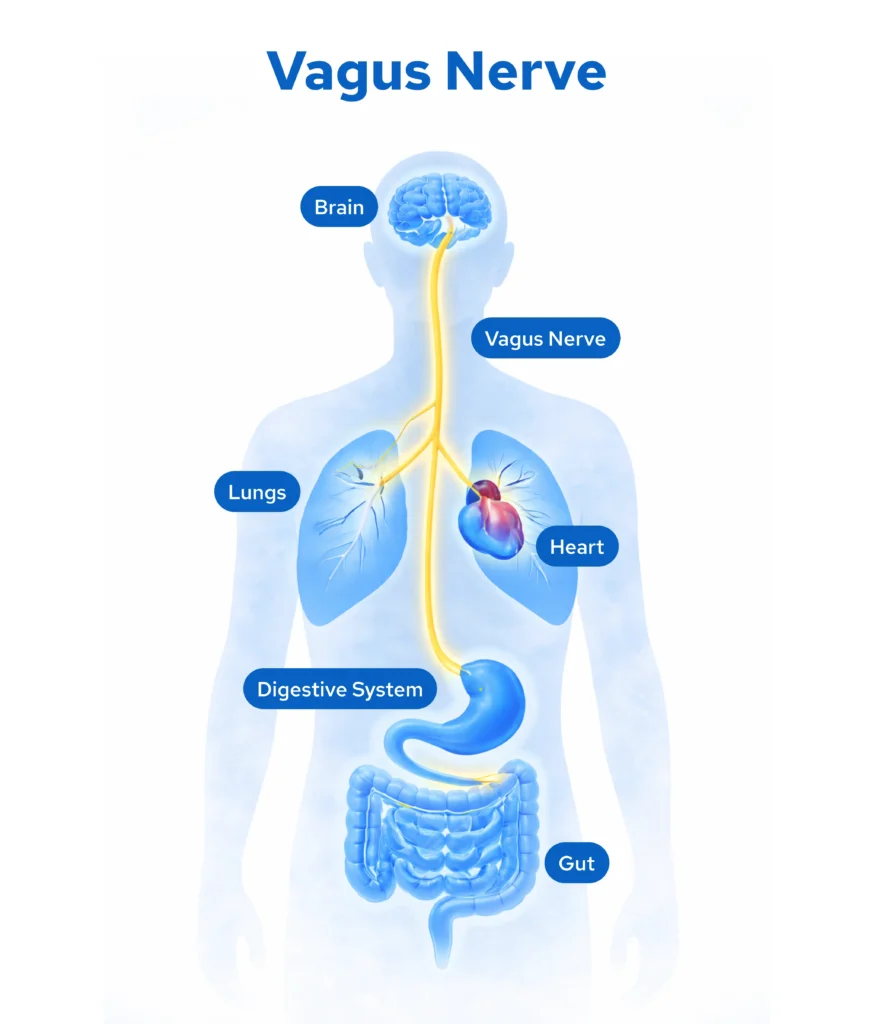
Um zu verstehen, wie VNS möglicherweise so viele verschiedene Symptome behandeln könnte, müssen Sie zunächst die verschiedenen Rollen verstehen, die der Vagusnerv im Körper spielt, und seinen entscheidenden Zusammenhang mit der Regulierung von Entzündungen.
Der Vagusnerv ist der längste Hirnnerv im menschlichen Körper. Er entspringt im Hirnstamm und verzweigt sich, um das Gehirn mit praktisch jedem wichtigen Organ zu verbinden: Herz, Lunge, Leber, Nieren und Darm. Es ist der Hauptkanal des parasympathischen Nervensystems, des “Ruhe- und Verdauungsmodus” des Körpers, der die “Kampf-oder-Flucht-”Stressreaktion ausgleicht.
Entscheidend ist, dass der Vagusnerv eine zentrale Rolle bei der Steuerung von Entzündungen spielt. Wenn der Körper eine Verletzung oder Infektion erkennt, signalisiert der Vagusnerv dem Gehirn, einen Abwehrmechanismus einzuleiten, indem er Entzündungsproteine, sogenannte Zytokine, an die Stelle des Problems sendet, um den Heilungsprozess einzuleiten. Aber wenn dieser Prozess unkontrolliert wird – ein Zustand, der als chronische Entzündung bekannt ist – setzt der Körper Entzündungszellen frei, auch wenn keine Verletzung oder Krankheitsgefahr mehr besteht. Hier könnte VNS helfen.
Studien im Labor haben gezeigt, dass das Immunsystem bei der Durchtrennung des Vagusnervs bei Mäusen einen kontinuierlichen Strom entzündungsbedingter Zellen freisetzt, die gesunde Zellen schädigen – ein Prozess, der dem ähnelt, der bei Autoimmunerkrankungen wie entzündlichen Darmproblemen, Gelenkschmerzen und Multipler Sklerose auftritt.
Umgekehrt fanden Forscher heraus, dass sie durch die Stimulierung des Vagusnervs die Immunantwort neu kalibrieren und die Menge der in den Körper freigesetzten Entzündungszellen normaler regulieren konnten.
Der Vagusnerv und die Entzündung
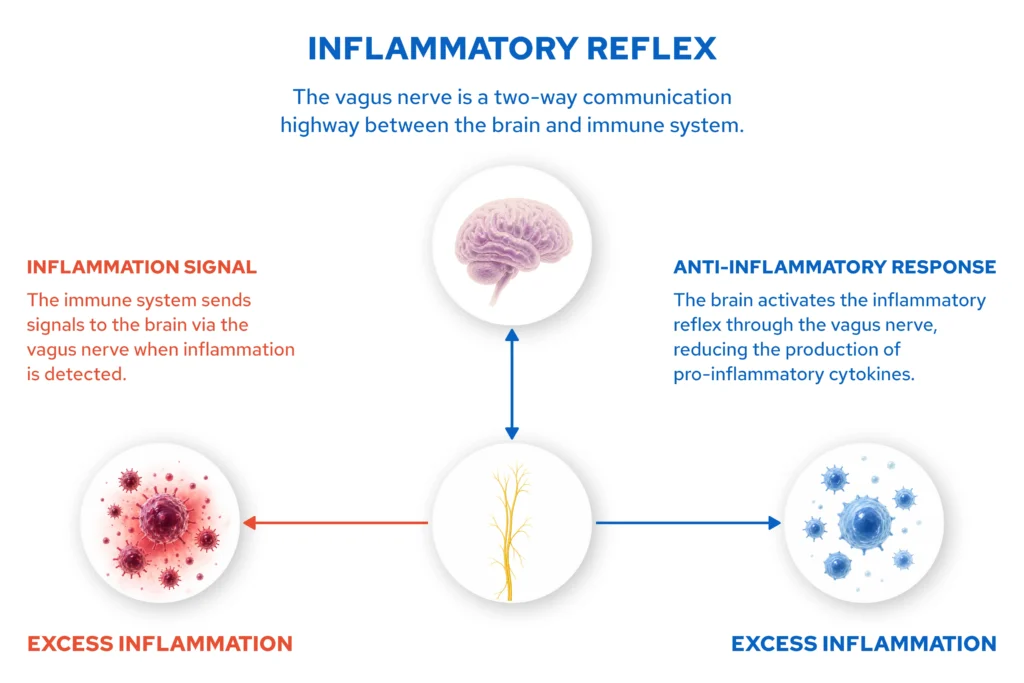
Die wichtigste Entdeckung, die VNS als Lösung für entzündliche Erkrankungen zugrunde liegt, ist das, was Wissenschaftler nennen Entzündungsreflex.
Forscher fanden heraus, dass der Vagusnerv als direkter wechselseitiger Kommunikationskanal zwischen dem Immunsystem und dem Gehirn fungiert. Wenn das Gehirn eine übermäßige Entzündung durch Signale des Vagusnervs erkennt, kann es einen Nervenweg aktivieren, der die Produktion entzündungsfördernder Zytokine unterdrückt.
Durch die elektrische Stimulation des Vagusnervs aktivieren VNS-Geräte diesen entzündungshemmenden Reflex künstlich und dämpfen so die Immunüberreaktion ohne die systemischen Nebenwirkungen von Immunsuppressiva.
So stimulieren Sie den Vagusnerv
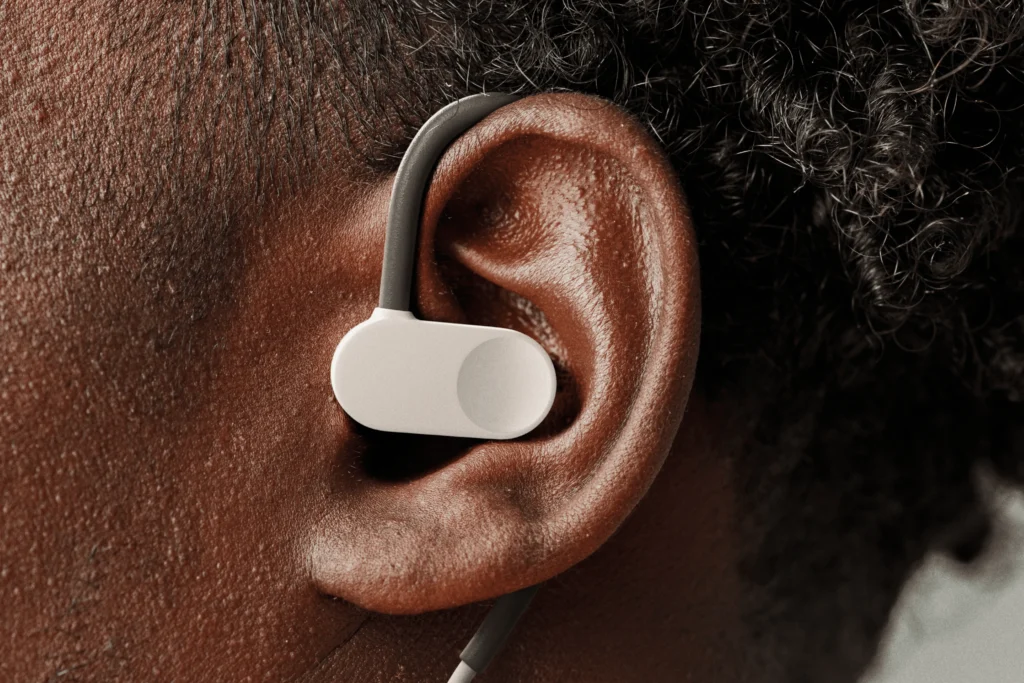
Verbringen Sie jede Zeit online und Sie werden eine lange Liste vermeintlicher Möglichkeiten finden, “das Nervensystem zurückzusetzen.”: kalte Tauchgänge, Atemarbeits-Apps, Gurgeln, Summen, Ohrmassage. Einige dieser Aktivitäten werden tatsächlich mit einer Verbesserung des Vagustonus im Alltag in Verbindung gebracht. Bewegung, langsames Atmen und Meditation sind alle mit einer langsameren Ruheherzfrequenz verbunden und können im Laufe der Zeit eine gesunde Funktion des Vagusnervs unterstützen.
Die Mechanismen werden noch untersucht.
Es besteht jedoch ein Unterschied zwischen der Unterstützung der Vagusnervfunktion zu Studienbeginn bei einem gesunden Menschen und der Verwendung der Vagusnervstimulation als präziser medizinischer Eingriff zur Beeinflussung von Entzündungen oder therapieresistenten depressiven Zuständen.
Forscher achten darauf, diese beiden Dinge getrennt zu halten, sie sind nicht austauschbar.
Wenn in diesem Bereich von VNS als Lösung die Rede ist, dann ist damit die gerätebasierte Stimulation gemeint. Jahrzehntelange Forschung hat mehrere unterschiedliche Ansätze hervorgebracht, die sich in zwei große Kategorien einteilen lassen: indirekt (nicht-invasiv) und direkt (invasiv).
Jedes verfügt über seinen eigenen Mechanismus, seine eigene Evidenzbasis, seine eigenen behördlichen Genehmigungen und sein eigenes Anwendungsspektrum.
Indirekte (nicht-invasive) VNS
Transkutane VNS (tVNS)
Transkutane VNS ist der Überbegriff für nicht-invasive elektrische Stimulation, die den Vagusnerv ohne Operation durch die Haut erreicht.
Es teilt sich in zwei anatomische Varianten, je nachdem, wo die Elektrode sitzt: das Ohr oder der Hals.
Aurikuläres tVNS (taVNS)
Der am umfassendsten untersuchte nicht-invasive Ansatz.
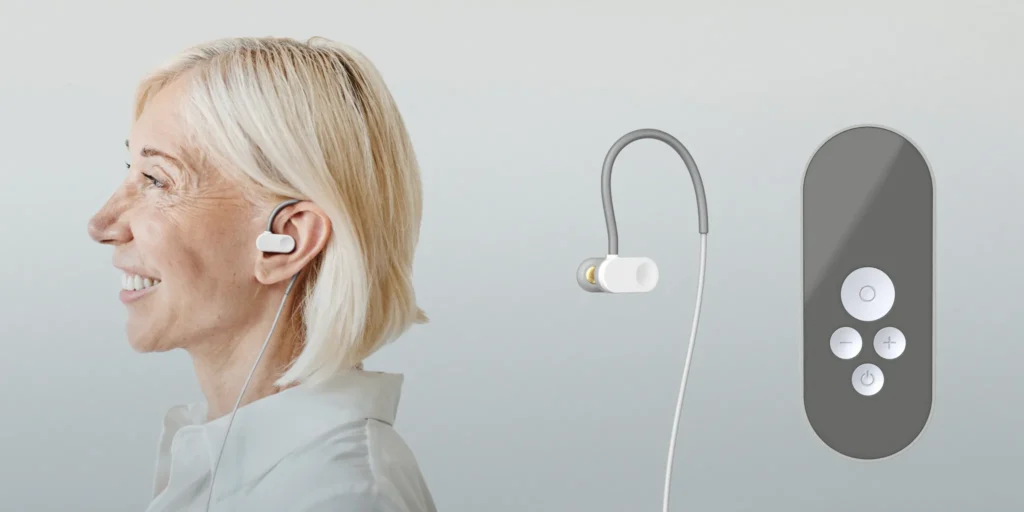
Eine kleine Elektrode wird am Außenohr platziert, typischerweise am Tragus oder an den Cymba conchae, wo der Ohrast des Vagusnervs eine kutane Verteilung aufweist und durch reinen Oberflächenkontakt erreichbar ist.
Die Stimulation wandert hier den Ohrast hinauf zu den Hirnstammkernen, die an der parasympathischen Regulierung, der Herzfrequenzvariabilität und dem Entzündungsreflex beteiligt sind.
Der Ohrast ist in der Vagusanatomie ungewöhnlich: Er ist der einzige Punkt am Körper, an dem der Vagusnerv als kutaner Sinnesast auftaucht, weshalb sich ein Großteil des Forschungsinteresses an nicht-invasivem VNS hier konzentriert hat.
Geräte können bei normalen Aktivitäten diskret getragen werden und werden normalerweise in kurzen täglichen Sitzungen verwendet.
CE-gekennzeichnet. Geräte dieser Kategorie verfügen über europäische Zulassungen für Indikationen wie depressive Zustände und chronische Schmerzen, wobei ein breiteres Spektrum entzündlicher und autonomer Symptome aktiv wissenschaftlich erforscht wird.
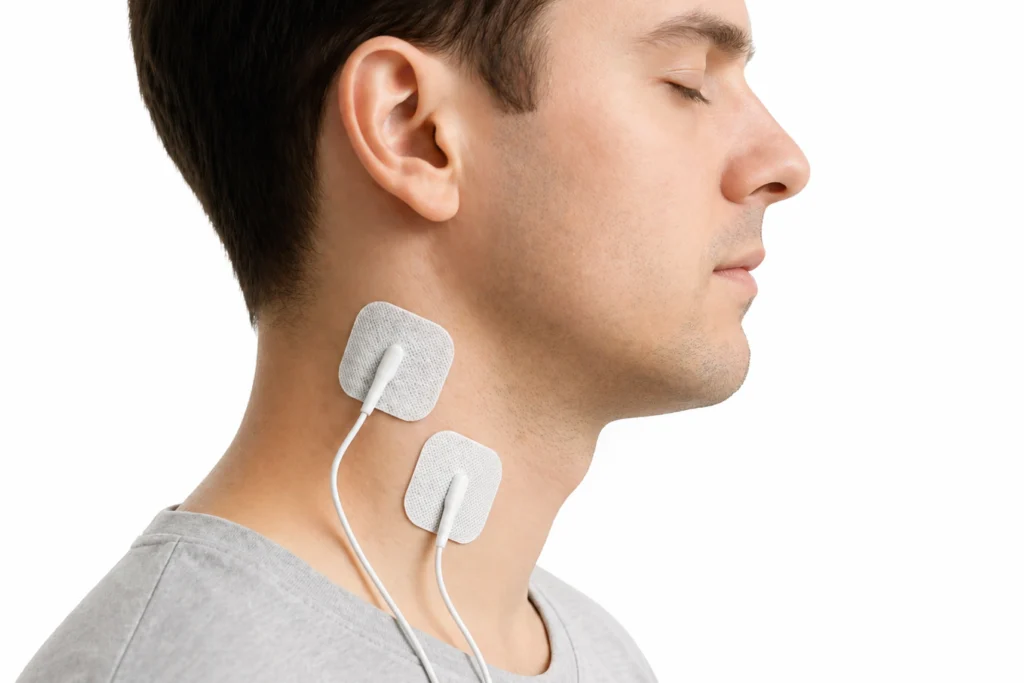
Zervikales tVNS (tcVNS)
Die Stimulation erfolgt über Elektrodenpads an der Seite des Halses, ähnlich einer TENS-Einheit, und zielt auf den zervikalen Teil des Vagusnervs ab, der entlang der Halsschlagader verläuft.
Die anatomische Herausforderung bei der zervikalen Stimulation ist die Tiefe.
Der zervikale Vagus befindet sich unter Muskel- und Bindegewebsschichten, und die Oberflächenstimulation muss durch dieses Gewebe wandern, um den Nerv zu erreichen.
Dies wirft anhaltende Fragen darüber auf, wie viel des abgegebenen Stroms tatsächlich am Vagus ankommt, wie konsistent diese Abgabe bei Benutzern mit unterschiedlicher Halsanatomie ist und wie die Off-Target-Aktivierung nahegelegener Strukturen verwaltet werden kann.
Die Evidenzbasis ist am besten für Kopfschmerzindikationen etabliert, bei denen bestimmte Gebärmutterhalsgeräte eine behördliche Genehmigung erhalten haben, und reift noch über das breitere Spektrum der untersuchten Symptome hinweg.
CE-gekennzeichnet und von der FDA für Cluster-Kopfschmerzen und Kopfschmerzen in bestimmten Geräten zugelassen, wobei mehrere Indikationen in Großbritannien, Europa und den USA aktiv untersucht werden.
Direkte (invasive) VNS
Chirurgisch implantiertes VNS
Die ursprüngliche und wissenschaftlich am besten etablierte Form der Vagusnervstimulation. Ein kleiner Impulsgenerator, etwa so groß wie eine Streichholzschachtel, wird unter die Brusthaut implantiert. Ein Leitungsdraht wird zum Hals geführt und um den linken Vagusnerv gewickelt, wodurch automatisch regelmäßige elektrische Impulse abgegeben werden.
Darüber hinaus kann die Person mithilfe eines externen Magneten eine zusätzliche Stimulation auslösen.
Implantiertes VNS wird seit mehreren Jahrzehnten routinemäßig in der Wissenschaft eingesetzt und die Evidenzbasis ist die umfassendste aller VNS-Ansätze. Der Kompromiss besteht in der Operation selbst, der Implantathardware und der Notwendigkeit eines regelmäßigen Batteriewechsels.
NICE genehmigt. Im Vereinigten Königreich für therapieresistente depressive Zustände indiziert.
Ein Batteriewechsel ist in der Regel alle 3 bis 8 Jahre erforderlich.
Zugelassene und neue Anwendungen der Vagusnervstimulation
Die Breite der VNS-Forschung spiegelt die Reichweite des Vagusnervs in mehreren Körpersystemen wider: Gehirn, Herz, Darm, Lunge und Immunsystem. Diese Reichweite ist auch der Grund, warum Forscher VNS nun in einem breiten Spektrum von Symptomen untersuchen, von neurologischen Störungen bis hin zu entzündlichen Erkrankungen.
Es folgt eine Momentaufnahme des aktuellen Stands der Beweislage. Das Bild ändert sich Abschnitt für Abschnitt. Einige Anwendungen sind etabliert und routinemäßig verfügbar; andere befinden sich in aktiven wissenschaftlichen Studien und werden noch nicht vom NHS finanziert.
Zugelassenen Indikationen
Dies sind die Symptome, für die VNS im Vereinigten Königreich oder in der EU eine formelle behördliche Zulassung besitzt und derzeit in der wissenschaftlichen Praxis eingesetzt wird.
Vagusnervstimulation bei therapieresistenten depressiven Zuständen.
Implantiertes VNS ist für therapieresistente depressive Zustände zugelassen, definiert als depressive Zustände, die auf mehrere Antidepressiva und in vielen Fällen auf Psychotherapie nicht ausreichend angesprochen haben. Es wird angenommen, dass der Mechanismus eine wiederholte Stimulation von Gehirnregionen beinhaltet, die an der Stimmungsregulation beteiligt sind, einschließlich limbischer Strukturen und des präfrontalen Kortex, wobei sich die Auswirkungen eher über Monate als über Wochen aufbauen.
Vagusnervstimulation bei Cluster-Kopfschmerzen und Kopfschmerzen
Zervikale (halsbasierte) VNS-Geräte haben eine behördliche Zulassung für Cluster-Kopfschmerzen und Kopfschmerzen erhalten und werden sowohl zur Reduzierung der Anfallshäufigkeit als auch zum Abbruch akuter Anfälle eingesetzt. Dies ist derzeit die stärkste Evidenzbasis für nicht-invasives VNS bei einer primären Kopfschmerzerkrankung.
Vagusnervstimulation zur Rehabilitation nach einem Schlaganfall
Gepaartes VNS, bei dem Stimulation zusammen mit Rehabilitationsübungen durchgeführt wird, hat sich als anerkannter Ansatz zur Wiederherstellung der Funktion der oberen Gliedmaßen nach einem ischämischen Schlaganfall herausgestellt. Der Grundgedanke besteht darin, dass die Vagusstimulation die Neuroplastizität während der Rehabilitationsaktivität selbst erhöht.
Vagusnervstimulation bei chronischen Schmerzen
Aurikuläres VNS ist in Europa für bestimmte Indikationen chronischer Schmerzen zugelassen. Derzeit wird an den Mechanismen geforscht, durch die die Vagusstimulation die zentrale Schmerzverarbeitung moduliert.
Symptome, die aktiv untersucht werden
Dies sind Symptome, bei denen VNS Gegenstand aktiver wissenschaftlicher Studien ist. Die bisherigen Ergebnisse sind in mehreren Fällen vielversprechend, Indikationen im Forschungsstadium liegen jedoch noch nicht als routinemäßig finanzierte NHS-Therapien vor. Personen, die VNS für eine dieser Anwendungen in Betracht ziehen, sollten einen qualifizierten Arzt konsultieren.
Vagusnervstimulation bei Gelenkschmerzen
Gelenkschmerzen sind eine der fortschrittlichsten Forschungsindikationen. In der RESET-RA-Studie und früheren Proof-of-Concept-Studien wurde untersucht, ob implantierte VNS die Entzündungsaktivität bei Anwendern mit Gelenkschmerzen reduzieren können, die nicht ausreichend auf die standardmäßige biologische Therapie angesprochen haben. Der untersuchte Mechanismus ist der Entzündungsreflex.
Vagusnervstimulation bei entzündlichen Darmproblemen und entzündlichen Darmerkrankungen
Aktive Studien untersuchen, ob VNS Darmentzündungen und die Häufigkeit von Krankheitsschüben bei entzündlichen Darmproblemen und anderen Formen von IBD reduzieren kann, einschließlich pädiatrischer Studien zu aurikulärem VNS bei Kindern mit IBD.
Vagusnervstimulation bei Lupus (SLE)
Frühe Forschung darüber, ob der Entzündungsreflex bei systemischen Autoimmunerkrankungen genutzt werden kann, wobei Lupus zu den untersuchten Symptomen gehört.
Vagusnervstimulation bei Herzklopfen und Herzproblemen.
Herzanwendungen basieren auf der direkten Rolle des Vagusnervs bei der Regulierung des Herzrhythmus und der Kontraktilität. Die Forschung untersucht, ob gezielte VNS die Belastung durch Herzklopfen verringern und die Ergebnisse bei chronischen Herzproblemen verbessern können.
Vagusnervstimulation bei Problemen mit der Blutzuckerregulation Typ 2 und Fettleibigkeit
Die Stoffwechselforschung untersucht, wie die Vagusstimulation mit der Appetitregulierung, der Glukoseverarbeitung und der Insulinsensitivität interagiert. Auch ultraschallbasierte VNS-Ansätze werden in diesem Bereich untersucht.
Vagusnervstimulation bei pulmonaler Hypertonie
Frühe Forschungen untersuchen, ob die Vagusstimulation die autonomen und entzündlichen Treiber von Lungengefäßerkrankungen beeinflussen kann.
Vagusnervstimulation bei Multipler Sklerose
Die Forschung untersucht, ob VNS die Immunantwort modulieren und die Symptombelastung bei MS beeinflussen kann, einschließlich Müdigkeit und kognitiver Symptome im Zusammenhang mit der Krankheit.
Vagusnervstimulation bei Angstgedankenstörungen und Traumata
Studien untersuchen, ob nicht-invasives VNS die Ergebnisse bei Angstgedankenstörungen und Traumata unterstützen kann, und bauen dabei auf der zentralen Rolle des Vagusnervs bei der autonomen Regulierung und der Stressreaktion auf.
Vagusnervstimulation bei Sepsis
Die ursprüngliche Forschungsrichtung, aus der das Fachgebiet hervorging. In tierischen und frühen wissenschaftlichen Arbeiten wird weiterhin untersucht, ob der Entzündungsreflex aktiviert werden kann, um den für Sepsis charakteristischen Zytokinsturm zu dämpfen.
Vagusnervstimulation bei postviraler Müdigkeit
Die Forschung zu aurikulären VNS bei postviralen Müdigkeitssyndromen ist aktiv, mit der Begründung, dass eine anhaltende autonome Dysregulation zur Symptombelastung beiträgt.
Viele dieser Anwendungen befinden sich noch in der frühen Forschungs- oder wissenschaftlichen Studienphase. Die bisherigen Ergebnisse sind vielversprechend, man sollte sich jedoch darüber im Klaren sein, dass Indikationen im Forschungsstadium als routinemäßig finanzierte NHS-Therapien noch nicht verfügbar sind.
Konsultieren Sie immer einen qualifizierten Arzt, um sich beraten zu lassen.
Die Zukunft der VNS-Neuromodulation
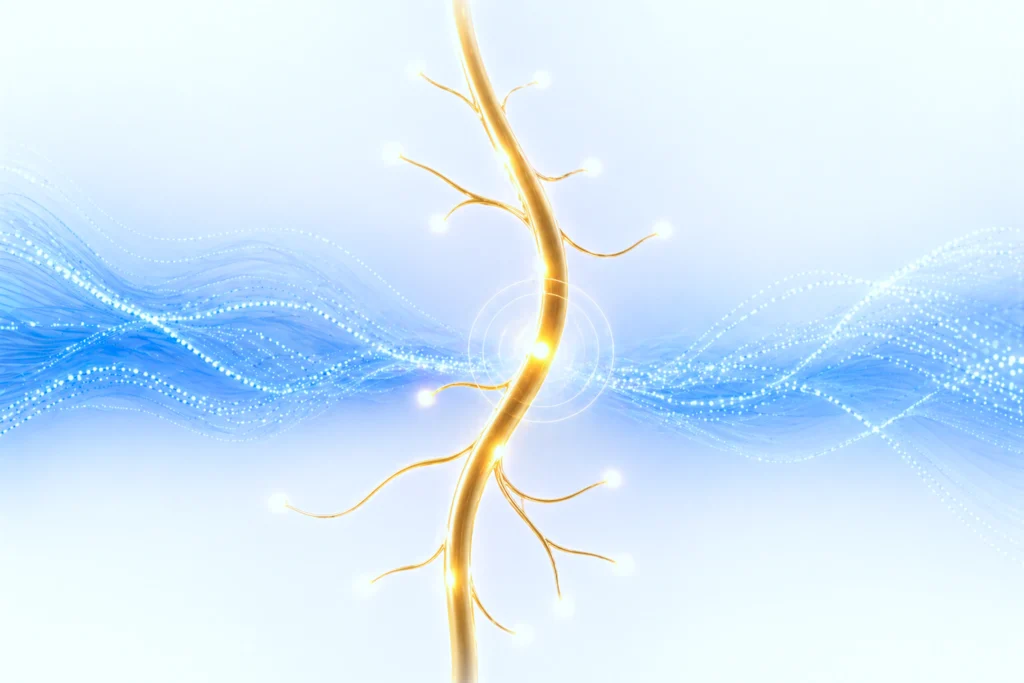
Mit der Weiterentwicklung der Kartierung der Vagusnervenanatomie –Programme kartieren mittlerweile mikroskopisch mehr als 100.000 einzelne Nervenfasern – entwickeln Forscher Stimulationswellenformen, die in der Lage sind, selektiv nur die für ein bestimmtes Symptom relevanten Fasern zu aktivieren, wodurch sowohl die Wirksamkeit als auch die Sicherheitsmargen dramatisch verbessert werden.
Ist die Stimulation des Vagusnervs sicher?
Die Sicherheit hängt davon ab, von welcher Form von VNS Sie sprechen.
Nicht-invasives VNS
Das mildere Profil der beiden. Die am häufigsten berichteten Wirkungen sind lokal und kurzlebig und umfassen ein leichtes Hautgefühl, Kribbeln oder Jucken an der Elektrodenstelle, kurze Beschwerden während der Stimulation und gelegentlich leichte Kopfschmerzen oder Schwindel. Schwerwiegende Nebenwirkungen sind in der bisher veröffentlichten Literatur zum aurikulären VNS selten.
Nicht geeignet für: Personen mit Herzschrittmachern oder anderen implantierten elektrischen Geräten, schweren Herzrhythmusstörungen oder aktiven Vagusreflexstörungen ohne ärztliche Aufsicht. Die vollständigen Kontraindikationen sind gerätespezifisch und in der Gebrauchsanweisung jedes Geräts aufgeführt.
Implantiertes VNS
Trägt die chirurgischen Risiken eines geringfügigen Implantateingriffs (Infektion, Blutung, anästhesiebedingte Auswirkungen) sowie stimulationsbedingte Auswirkungen bei normalem Gebrauch wie Stimmveränderungen, Heiserkeit, Husten und Halsbeschwerden. Viele davon nehmen mit der Zeit ab und können durch Parameteranpassung reduziert werden. Die Anspruchsberechtigung und die laufende Pflege werden vom spezialisierten NHS-Team verwaltet.
Teilen über:


 German
  English
  French
  Spanish
  Swedish