
The Truth About Managing Attention Problems (And Why Standard Advice Is Falling Short)
If your brain is constantly racing, yet getting started on a simple task feels like climbing a mountain, you already know how exhausting it is when your executive function is out of balance.
If you’re tired of being told to “just try harder” or “buy a better planner,” this article offers an evidence-informed perspective.
Conventional Strategies - Do They Work?
If you’ve been battling Attention Problems for years, you’ve probably tried it all. The cycle usually looks like this:
- Endless Planners: Buying a new system, using it perfectly for three days, and then abandoning it completely.
- Caffeine Overload: Relying on coffee for a brief burst of focus, only to suffer a heavy mental crash by the afternoon.
- Exhausting Masking: Constantly monitoring your behaviour to avoid overstimulation, leaving you completely drained.
- Pharmacological Options: Managing medication schedules that can be highly effective, though some individuals may experience adverse events such as jitteriness or sleep disruption.
- Talk Therapy: Engaging in cognitive-behavioural therapy or mindfulness practices to improve coping strategies and emotional regulation.
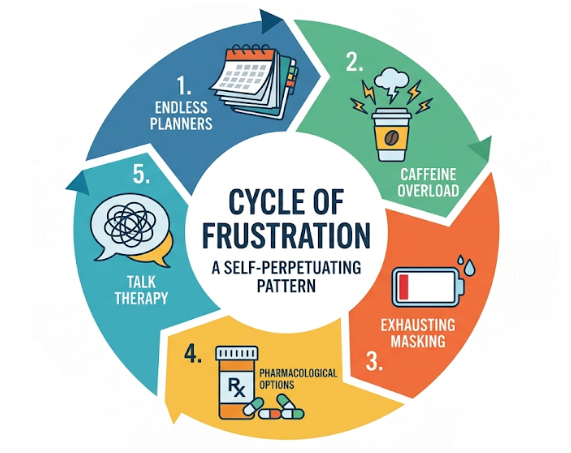
It’s a frustrating loop: you try a new protocol, feel a brief spark of motivation, and then crash. It’s not your fault. These conventional approaches may fall short because they primarily address symptoms rather than underlying neurobiological and regulatory mechanisms.
Emerging research suggests that autonomic nervous system dysregulation may contribute to executive dysfunction in some individuals with Attention Problems.
Some individuals with Attention Problems may experience heightened stress reactivity or autonomic dysregulation, which can contribute to feelings of overwhelm. Your body overreacts to everyday demands, leaving you paralysed by choices and mentally tired. Buying another productivity app, drinking more coffee, or forcing yourself to sit still may not adequately address underlying regulatory challenges. To find real cognitive stability, you need an approach that directly supports and regulates your autonomic balance.
That’s where vagus nerve stimulation comes in.
A New, Non-Invasive Approach to Autonomic Balance
For decades, the options for managing Attention Problems symptoms were mostly limited to rigid behavioural systems, generic coping strategies, or complex pharmacological options. But in recent years, researchers have turned their attention to the vagus nerve as a way to target autonomic dysregulation and stress at its source.
This has led to growing interest in non-invasive vagus nerve stimulation (tVNS) as a potential approach to supporting neurocognitive health. Now available through innovative, ear-worn devices, tVNS represents an emerging approach to supporting brain and body function. These devices use small, comfortable electrodes to deliver mild stimulation to the vagus nerve branch located in your ear. You can use it at home, while reading, working, or simply resting.
While individual responses vary, preliminary evidence suggests that this non-invasive approach may:
- Help support emotional regulation and calm an overactive mind
- Reduce the severity of brain fog and daily mental tiredness
- Improve recovery from sensory or cognitive overload
- Support long-term nervous system resilience and sustained focus
¿Qué es la estimulación del nervio vago (y por qué funciona)?
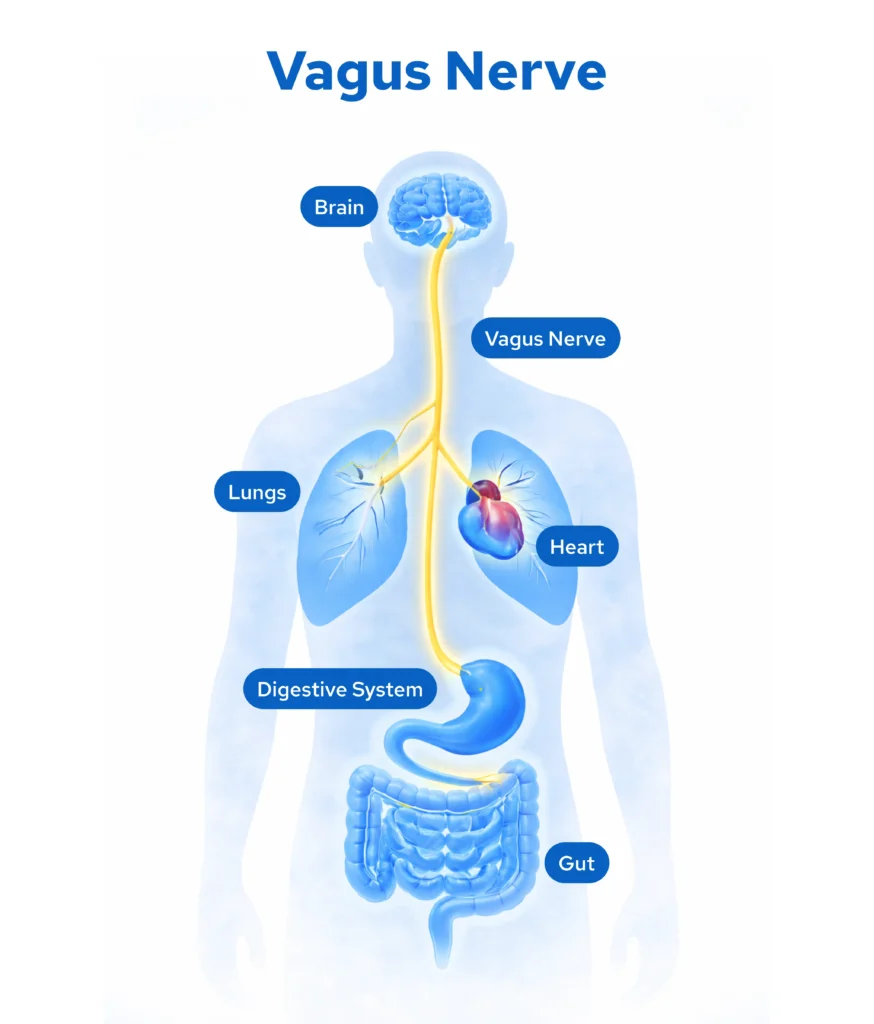
Your vagus nerve is the main communication highway between your brain and your body. It plays a crucial role in regulating your heart rate, emotions, digestion, and your ability to shift into a calm, focused state (“rest-and-digest” mode).
When your vagus nerve isn’t functioning optimally (often referred to as low “vagal tone”), your body may remain in a heightened stress state.
- Your nervous system stays locked in a state of hyperarousal or overwhelm.
- You experience intense brain fog and mental tiredness.
- Your emotional responses and impulses become harder to regulate.
- Your brain is constantly working overtime just to filter out distractions and stay on track.
Vagus nerve stimulation (VNS) uses gentle electrical pulses to activate this nerve, potentially supporting autonomic regulation. It is sometimes compared to resetting an overburdened system.
Scientific Validation & Safety Profile
VNS is a well-researched technology studied across a range of autonomic, inflammatory, and neurological symptoms. It has been evaluated in university and hospital research settings, including institutions like Yale, Stanford, UCLA, and Imperial College London, with highly encouraging safety and tolerability profiles.
Research shows that VNS increases heart rate variability (HRV), a key marker of autonomic nervous system function.
Importantly for those sensitive to new therapies, VNS is:
- Non-pharmaceutical: No chemical dependency, no drug-induced sluggishness, and no stomach issues.
- No invasiva: Worn externally on the ear, requiring no surgery or implants.
- Generalmente bien tolerado: Most users report a gentle, calming tingling sensation during a session.
Descubre Nurosym: el camino natural hacia el equilibrio autonómico

Nurosym ofrece un enfoque sin medicamentos y respaldado por investigaciones científicas para ayudar a restaurar la energía y la estabilidad mediante la estimulación auricular del nervio vago.
Por qué funciona Nurosym:
Evidence shows that targeted nerve stimulation can lower stress hormone levels, restore balance to your nervous system, and improve sleep quality. Early studies in high-stress and neurodivergent groups also show encouraging improvements in focus and emotional control, with larger scientific studies currently underway.

Restablecimiento instantáneo del sistema nervioso autónomo
Comienza a recuperar el equilibrio en cuestión de minutos desde el primer uso.

Scientifically studied
Más de 50 estudios investigan el equilibrio autonómico, la VFC, el sueño y la fatiga.

Natural y seguro
No invasivo y sin interacciones medicamentosas.
Nurosym es un dispositivo con marcado CE en la Unión Europea y se utiliza en estudios realizados en Estados Unidos bajo la clasificación de “riesgo no significativo” de la FDA.
Respaldado por destacados especialistas en recuperación y sistema nervioso autónomo

Anthony Kaveh, MD
Anestesiólogo y Director médico en Clarus Health
"Quería saber si podemos ayudar a nuestros pacientes a tener un alivio aún más sostenido de un sistema nervioso simpático fuera de control. Me complace decir que hasta ahora la respuesta ha sido sí."
Dr Myro Figura
Anestesiólogo y Oficial Médico Jefe en HealFast
"(Nurosym) aumenta el lado de reposo y digestión de su sistema nervioso hasta en un 61% en cinco minutos y es un potente alivio para los estados ansiosos."

Dr James Gill
Profesor Asociado en la Escuela de Medicina y Médico General de Warwick
"Encontré (publicaciones) sin conflicto de intereses declarado por la Universidad de Leeds. Demostraron una actividad reducida del nervio simpático. Personalmente, (con Nurosym) mi HRV aumentó de 40 a 69".

Dr Mikolaj Raszek
Investigador en Merogenomics
"Según las evidencias que están saliendo a la luz, parece que estos dispositivos... parecen estar ayudando mucho en términos de fatiga post-viral."
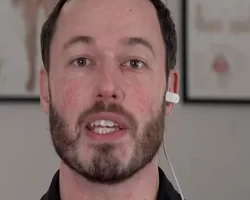
Ashley Ridout
Osteópata y Educador
"Probé esto en dos pacientes: un hombre de 45 años con dolor crónico en el cuello reportó un sueño mejor y más profundo... Una mujer de 30 años con dolores de cabeza notó un mejor sueño y menos dolor."

Bryan Johnson
Fundador de Braintree, Proyecto Blueprint
"HRV es un biomarcador bastante significativo para la salud. Tiene una clara asociación con la edad... el entrenamiento con HRV me mantiene discreto, tranquilo y calmado."
Resultados reales de personas reales
Desde las alteraciones posturales de la frecuencia cardíaca hasta tener menos días difíciles; basta con dejar de usarlo un día para notar la diferencia.
– Usuario de Nurosym
“Después de la disautonomía posviral, por fin encontré una manera de salir del agotamiento.”
– Sarit
“Los altibajos constantes se transformaron en días más estables. La mejoría fue inmediata.”
– Testimonio de una persona con alteraciones posturales de la frecuencia cardíaca
Conozca a los profesionales de la salud
Médico psiquiatra en ejercicio, Elisabetta tiene un MBA de la Escuela de Negocios INSEAD y experiencia en atención directa al paciente, investigación en neurociencia, comunicación y gestión. La Dra. Burchi es una médico-científica, trabajando con Parasym en asuntos clínicos con un historial de publicaciones en las revistas científicas más importantes como The Lancet, escribiendo propuestas de subvención exitosas para el NIH, y liderando la producción de material editorial, clínico, regulatorio y promocional en equipos multidisciplinarios colaborativos. La Dra. Burchi también ha coordinado ensayos clínicos e implementado una práctica de telemedicina que recibió una certificación de excelencia entre más de 100,000 profesionales.
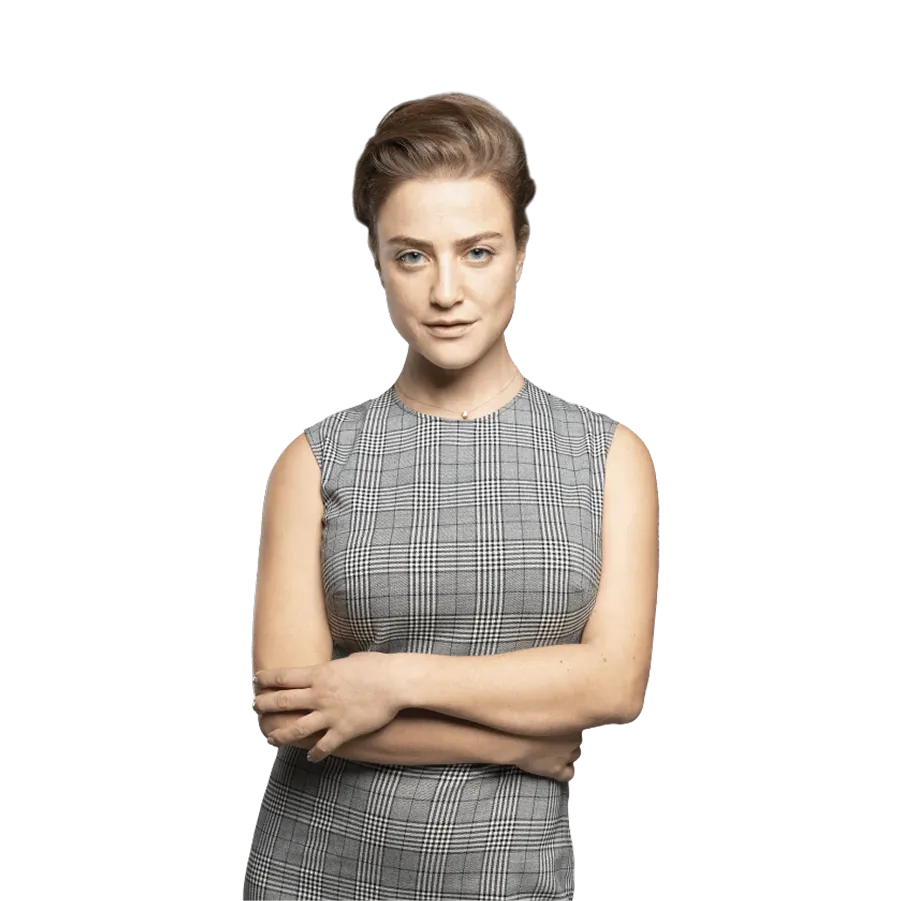
Dr. Elisabetta Burchi, MD, MBA
Líder de investigación traslacional en Parasym
Take Control of Your Focus and Energy Naturally
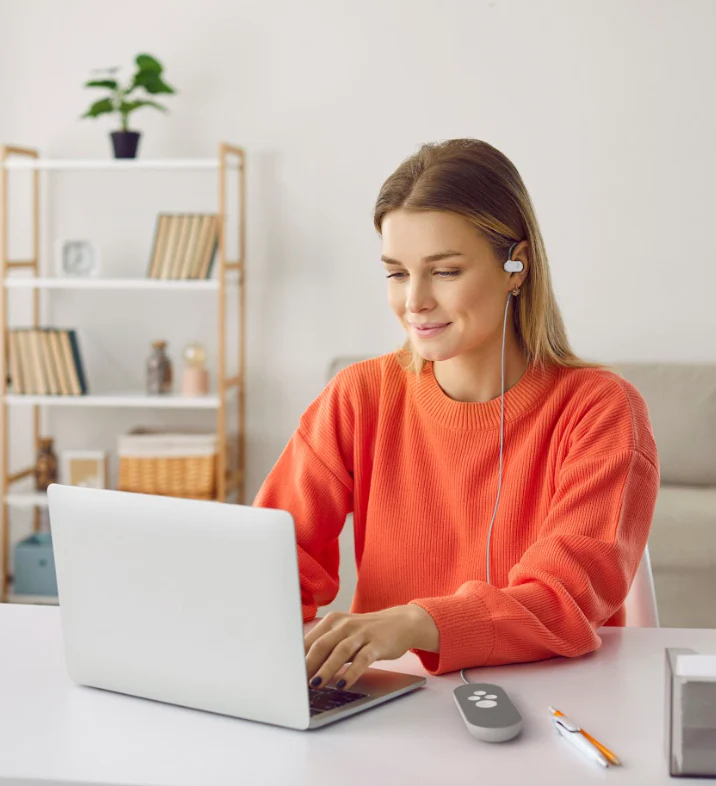
Únete a miles de personas que están recuperando su estabilidad y energía.
Participate in the Neuro-Cognitive research programand save €70 on your Nurosym device.
*La evaluación para participar en el estudio toma menos de 3 minutos.
50+
Estudios citados
4M+
Sesiones completadas con éxito
30
Días de devolución de dinero

Dispositivo médico certificado
Únete a miles de personas que están recuperando su estabilidad y energía.
Participa en el programa de investigación sobre alteraciones posturales de la frecuencia cardíaca y ahorra 70 € en tu dispositivo Nurosym.
*La evaluación para participar en el estudio toma menos de 3 minutos.
50+
Estudios citados
4M+
Sesiones completadas con éxito
30
Días de devolución de dinero

Dispositivo médico certificado
Garantía de devolución del dinero de 30 días
Cada kit Nurosym está respaldado por una política de 30 días de reembolso completo si los usuarios no están satisfechos con su progreso.
REFERENCIAS:
- American Psychiatric Association. (2022). Diagnostic and statistical manual of mental disorders (5th ed., text rev.; DSM-5-TR).
- Chang, J. P.-C., & Su, K.-P. (2020). Nutritional neuroscience as mainstream of psychiatry: The evidence-based treatment guidelines for using omega-3 fatty acids as a new treatment for psychiatric disorders in children and adolescents. Nutritional Neuroscience. https://doi.org/10.1080/1028415X.2019.1588315
- Cortese, S. (2020). Pharmacologic treatment of attention deficit–hyperactivity disorder. The New England Journal of Medicine, 383(11), 1050–1056. https://doi.org/10.1056/NEJMra1917069
- Kofler, M. J., Sarver, D. E., Harmon, S. L., Moltisanti, A., Aduen, P. A., Soto, E. F., & Ferretti, N. (2018). Working memory and organizational skills problems in ADHD. Journal of Child Psychology and Psychiatry, 59(1), 57–67. https://doi.org/10.1111/jcpp.12773
- Ramdass, D., & Zimmerman, B. J. (2011). Developing self-regulation skills: The important role of homework. Journal of Advanced Academics, 22(2), 194–218. https://doi.org/10.1177/1932202X1102200202
- Singh, A. S., Saliasi, E., van den Berg, V., Uijtdewilligen, L., de Groot, R. H. M., Jolles, J., Andersen, L. B., Bailey, R., Chang, Y.-K., Diamond, A., Ericsson, I., Etnier, J. L., Fedewa, A. L., Hillman, C. H., McMorris, T., Pesce, C., Pühse, U., Tomporowski, P. D., & Chinapaw, M. J. M. (2019). Effects of physical activity interventions on cognitive and academic performance in children and adolescents: A novel combination of a systematic review and recommendations from an expert panel. British Journal of Sports Medicine, 53(10), 640–647. https://doi.org/10.1136/bjsports-2017-098136
- Tarver, J., Daley, D., & Sayal, K. (2014). Attention-deficit hyperactivity disorder (ADHD): An updated review of the essential facts. Child: Care, Health and Development, 40(6), 762–774. https://doi.org/10.1111/cch.12139
El artículo no constituye en modo alguno un consejo médico. Consulte con un profesional médico autorizado antes de iniciar cualquier tratamiento. Este sitio web puede recibir comisiones por los enlaces o productos mencionados en este artículo.
Reviewed by Dr. Saloni Kabra, BHMS


 Spanish
 English
 German
 French
 Swedish
 Italian