
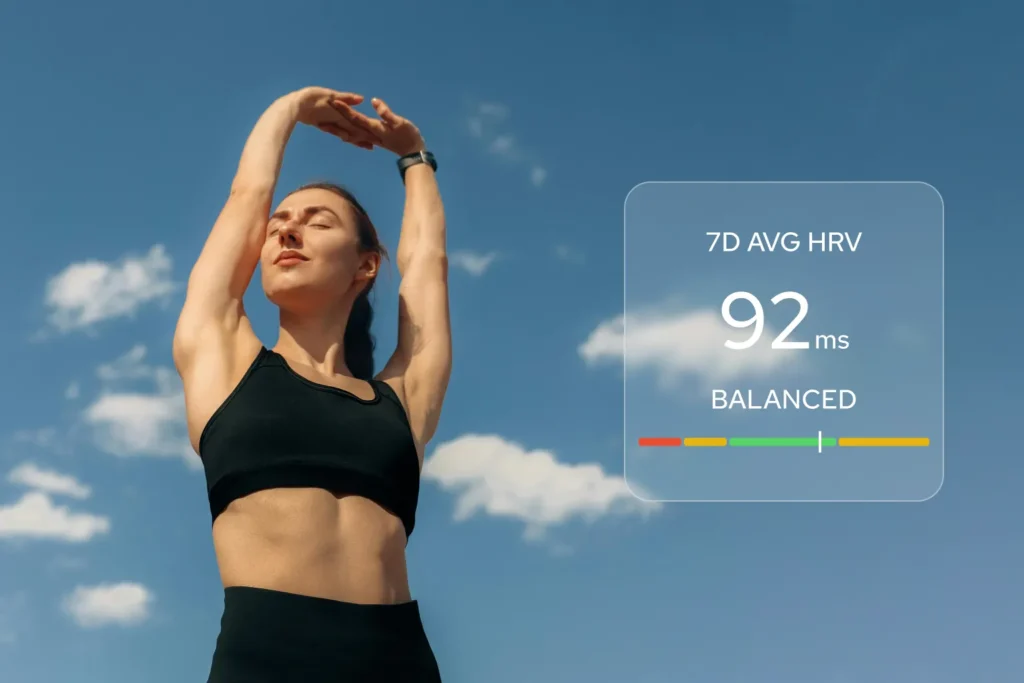
Wenn Sie alles getan haben, um die Genesung zu unterstützen, Ihr Nervensystem sich aber immer noch nicht beruhigt
Du hast alles getan.
Sie verfolgen Ihre HRV jeden Morgen; Sie nehmen Ruhetage ein, wenn die Daten dies erfordern; Sie machen die Atemarbeit; Sie duschen kalt und verwenden Magnesium vor dem Schlafengehen; Schlafen Sie um 10 Uhr, wenn das Zimmer dunkel ist und Ihr Telefon in einem anderen Raum liegt.
Und doch…
- Ihre HRV bleibt unterdrückt
- Sie wachen mit dem Gefühl auf, dass Ihr Schlaf nicht vollständig erholsam war
- Ihre Ruheherzfrequenz ist kaum gesunken
Sie fühlen sich auf minderwertige und unangenehme Weise wachsam, selbst an Tagen, an denen nichts etwas von Ihnen verlangt.
Wenn Ihnen dieses Muster bekannt ist, sind Sie nicht allein: Die meisten Menschen gehen davon aus, dass eine niedrige HRV lediglich bedeutet, dass sie mehr Ruhe, weniger Trainingseinheiten oder eine bessere Schlafhygiene benötigen.
Aber Folgendes habe ich durch die Arbeit auf der Intensivstation gelernt: Mehr Ruhe bedeutet nicht automatisch die Wiederherstellung des Regulierungssystems, das überhaupt erst für Erholung sorgt.
Was ich jeden Tag sehe: Auf der Intensivstation und im Fitnessstudio
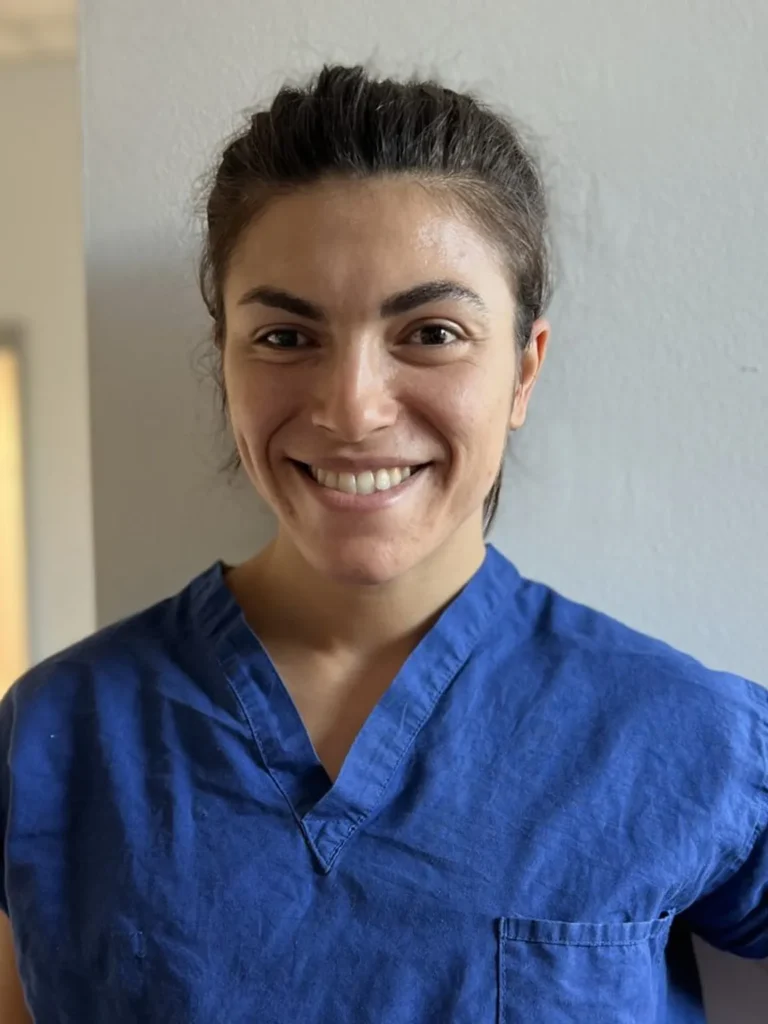
Ich bin eine auf Herz-Thorax-Pflege spezialisierte Krankenschwester auf der Intensivstation in London.
Meine Rolle ist intensiv und die Umgebung ist intensiv. Es ist nicht wie ein normaler Job. Wenn die meisten Menschen zur Arbeit gehen, gehen sie hinein, kümmern sich um alles, was an diesem Tag passiert, und kommen nach Hause. Meine Realität ist Leben und Tod, im wahrsten Sinne des Wortes.
Es geht darum, zu sehen, wie Familien’-Leben vor Ihren Augen auseinanderfallen, und den Menschen zu sagen, dass wir nichts mehr tun können, und das sind die letzten Momente im Leben eines Menschen.
Oder auf der anderen Seite jemanden pflegen, der sich erholen wird, dem es aber gerade kritisch schlecht geht.
Außerhalb des Krankenhauses bin ich CrossFit-Athlet und -Trainer. Ich bereite mich derzeit auf einen Elite-Wettbewerb im Mai und das Halbfinale der CrossFit Games Ende des Monats in Madrid vor. Das Training auf diesem Niveau erfordert dasselbe Nervensystem, auf das ich mich bei der Arbeit verlasse, um zwischen den Sitzungen vollständig abzuschalten.
Das ist der Teil, den die meisten Menschen unterschätzen.
Was mir diese Kombination gezeigt hat, ist etwas, was im Gespräch über die Genesung normalerweise übersehen wird. Der Stress einer schwierigen Schicht bleibt nicht am Arbeitsplatz. Manchmal wache ich am nächsten Morgen mit einem schweren Gefühl auf, mit ängstlichen Gedanken, die mir durch den Kopf gehen, geschwollen, müde.
Ich kann es nicht immer auf etwas Bestimmtes zurückführen.
Es ist der Körper, der an etwas festhält, an dem der Geist bereits vorbeigezogen ist.
Viele Menschen betrachten HRV als eine Zahl, die es zu verwalten gilt. Stattdessen kann es sinnvoller sein, es als Signal zugrunde liegender physiologischer Prozesse zu betrachten.
Wenn Sie alles richtig machen, aber immer noch leer laufen
Einige der Menschen, mit denen ich spreche, haben sich wirklich für ihre Genesung eingesetzt.
Sie:
- Nehmen Sie strukturierte Ruhetage entsprechend ihren HRV-Daten ein
- Priorisieren Sie den Schlaf konsequent und verfolgen Sie die Schlafqualität
- Üben Sie Atemarbeit oder Meditation als Teil einer täglichen Routine
- Reduzieren Sie Koffein, kontrollieren Sie Alkohol und ernähren Sie sich gut
- Begrenzen Sie hochintensive Sitzungen, wenn ihre Kennzahlen dies erfordern
Dennoch bleibt ihre HRV chronisch unterdrückt.
An Ruhetagen fühlen sie sich eher flach als erholt.
Sie scheinen nicht das Leistungsniveau zu erreichen, zu dem sie fähig sind.
Es besteht ein anhaltendes Gefühl, unter dem Ausgangswert zu liegen, und es ändert sich nicht, unabhängig davon, was sie tun oder nicht tun.
Dies muss nicht unbedingt ein Disziplinar- oder Schlafhygieneproblem sein.
Es handelt sich um ein Nervensystem, das einen Teil seiner Fähigkeit verloren hat, sich selbst effektiv zu regulieren, und keine noch so große Ruhe wird sich direkt damit befassen, wenn der zugrunde liegende Regulierungsmechanismus das Problem ist.
HRV vs. Vagustonus: Der Unterschied, der das Bild verändert
HRV ist das, was Sie messen: die zeitliche Variation zwischen den Herzschlägen, die widerspiegelt, wie adaptiv Ihr autonomes Nervensystem von Moment zu Moment reagiert.
Vagustonus ist es, was es antreibt: die zugrunde liegende Aktivität des Vagusnervs und des von ihm regulierten parasympathischen Systems, die bestimmt, wie effizient Ihr Körper zwischen Aktivierungs- und Erholungszuständen wechseln kann.
Sie können Ihre HRV an jedem beliebigen Tag verbessern, indem Sie sich mehr ausruhen.
Aber Sie können Ihren zugrunde liegenden Vagustonus nicht einfach durch mehr Ruhetage erhöhen, genauso wie Sie keine Kraft aufbauen können, indem Sie das Fitnessstudio meiden.
Der Vagustonus ist eine Fähigkeit, die aktiv unterstützt und bei Menschen, deren Nervensystem unter anhaltender Belastung steht, möglicherweise direkt stimuliert werden muss. Wenn diese Fähigkeit tatsächlich beeinträchtigt ist, verliert das autonome System einen Teil seiner Fähigkeit, effizient zwischen sympathischer Aktivierung und parasympathischer Erholung zu wechseln.
Die HRV bleibt unterdrückt, Ihre Schlafqualität leidet und Ihre Entzündungsmarker können ansteigen.
Der Körper bleibt in einem Bereitschaftszustand; er scheint nicht von ihm zurücktreten zu können.
Das meine ich, wenn ich sage, dass eine niedrige HRV nicht immer ein Problem der Trainingsbelastung ist. Für manche Menschen ist es ein Vagustonusproblem. Und diese erfordern unterschiedliche Ansätze.
Die Rolle des Nervensystems bei HRV und Genesung
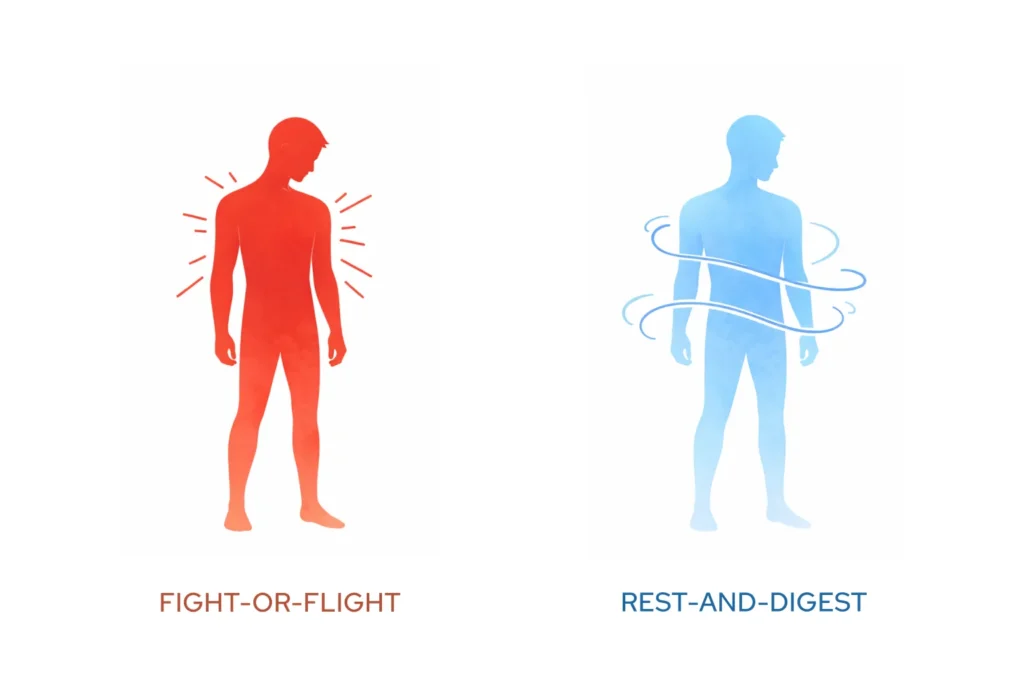
Das autonome Nervensystem verfügt über zwei primäre Betriebsmodi:
- Sympathisch („Kampf oder Flucht“): Bereitet den Körper auf Aktivität vor, erhöht die Herzfrequenz, mobilisiert Energie, reduziert die Schwankungen zwischen den Herzschlägen und hält physiologische Systeme auf Reaktionen vorbereitet
- Parasympathikus („Ruhe und Verdauung“): Wird hauptsächlich vom Vagusnerv angetrieben, verlangsamt das Herz, erweitert die HRV, unterstützt die Zellreparatur, reduziert die Entzündungsaktivität und ermöglicht eine echte Genesung
In einem gut funktionierenden autonomen System verschiebt sich das Gleichgewicht zwischen diesen beiden Modi fließend als Reaktion auf die Nachfrage.
Nach Anstrengung oder Stress stellt sich das parasympathische System normalerweise wieder her, die HRV steigt, die Erholung schreitet voran und der Körper ist bereit, wieder Leistung zu erbringen.
Doch anhaltende Belastungen, sei es durch Ausbildung, Schichtarbeit, psychischen Stress, Krankheit oder angesammelte Lebensanforderungen, können diese Wechselfähigkeit beeinträchtigen.
Das sympathische System bleibt länger dominant als es sollte und die HRV bleibt eng. Dies hat zur Folge, dass sich der Körper nicht vollständig erholt, unabhängig davon, wie viele Stunden er mit Ruhe verbringt.
Dies ist insbesondere bei Bevölkerungsgruppen relevant, die unter chronischem beruflichem oder physiologischem Stress stehen.
Ich habe es bei den Patienten gesehen, die ich krankheitsbedingt pflege, bei denen das autonome System einer akuten, sichtbaren Belastung ausgesetzt ist.
Ich habe es bei mir selbst gesehen, in den Zeiten, in denen Schichtarbeit, Training und das kumulative Gewicht schwieriger Tage mich in einem Zustand operieren ließen, von dem ich nicht zurücktreten konnte.
Es gab eine Zeit, in der ich es ständig spüren konnte. Wenn ich ein Knopf wäre, könnte man ständig Rauschen von mir hören. Das ist nicht nachhaltig. Irgendwann stellt der Körper die Frage für Sie.
Der Vagusnerv: Ihr Erholungsregulator
Der Vagusnerv ist der primäre Weg des parasympathischen Nervensystems. Er entspringt im Hirnstamm und erstreckt sich durch Hals, Brustkorb und Bauch. Dort hilft er bei der Regulierung der Herzfrequenz, des Atemrhythmus, der Entzündungssignale und der grundlegenden Fähigkeit des Körpers, von einem Aktivierungszustand in einen echten Erholungszustand überzugehen.
Die Herzfrequenzvariabilität, eine wichtige Kennzahl, auf die sich Sportler und Kliniker zur Beurteilung der Genesung verlassen, ist im Wesentlichen ein Maß für den Vagustonus.
Wenn der Vagustonus ausreichend ist, ist die HRV höher und variabler, die Herzfrequenz sinkt nach Anstrengung effizient, der Körper geht reibungslos von der sympathischen Aktivierung zur parasympathischen Erholung über, der Schlaf ist tiefer und erholsamer und die Entzündungsaktivität wird besser reguliert.
Wenn der Vagustonus reduziert wird, wird die HRV entsprechend unterdrückt und die physiologischen Anzeichen einer Erholung (verbesserte HRV, verringerte Ruheherzfrequenz, niedrigere Entzündungsmarker) treten angesichts der Ruhezeit, die sie einnehmen, nicht mit der Geschwindigkeit auf, die die Person erwartet.
Auf der Intensivstation sehen wir die Folgen einer stark beeinträchtigten Vagusaktivität bei kranken Patienten: dysregulierte Herzrhythmen, verstärkte Entzündungskaskaden und eine beeinträchtigte Erholung der Stressreaktion.
Der Mechanismus ist bei Menschen mit chronischer autonomer Dysregulation auf einer weniger akuten Ebene derselbe und wirkt über einen längeren Zeitraum mit subtileren, aber ebenso realen Auswirkungen auf Funktion, Genesung und Wohlbefinden.
Was die Forschung sagt
Ziel ist es, das System zu unterstützen, das Ruhe schafft.
Die wissenschaftlichen Erkenntnisse zu HRV und Vagustonus sind umfangreich:
- HRV als Marker für autonome Gesundheit: Untersuchungen zeigen übereinstimmend, dass eine verringerte HRV eine beeinträchtigte parasympathische Aktivität widerspiegelt und mit verstärkten Entzündungen, erhöhter Stressreaktivität, gestörter Schlafarchitektur und einer langsameren physiologischen Erholung nach physischen oder psychischen Anforderungen verbunden ist.¹
- Verbesserung von taVNS und HRV: Eine lebende Bayes'sche Metaanalyse ergab, dass die transkutane Stimulation des aurikulären Vagusnervs (taVNS) zu messbaren Verbesserungen der vagal vermittelten HRV führt, was eher auf eine Verschiebung des autonomen Gleichgewichts als auf eine oberflächliche Veränderung schließen lässt.²
- Entzündungsregulierung: Es wurde gezeigt, dass taVNS Entzündungsmarker, einschließlich IL-6 und Interferon-gamma, reduziert, was mit der Aktivierung des vagalen cholinergen entzündungshemmenden Signalwegs übereinstimmt, einem wichtigen Mechanismus, der chronischen Stress, Dysregulation des Nervensystems und beeinträchtigte Genesung verbindet.³
- Regulierte Schmerzmodulation und Stressresilienz: Die Forschung hat taVNS mit Verbesserungen der regulierten Schmerzmodulationskapazität des Körpers in Verbindung gebracht, was umfassendere Veränderungen in der Regulierung des Zentralnervensystems und der Effizienz der Stressreaktion widerspiegelt.⁴
- Sicherheitsprofil: Systematische Überprüfungen, die mehr als 50 abgeschlossene wissenschaftliche Studien umfassen, darunter Kooperationen mit Harvard, Yale und dem Imperial College London.⁵
Wo Nurosym zum Einsatz kommt (Unterstützung zu Hause)
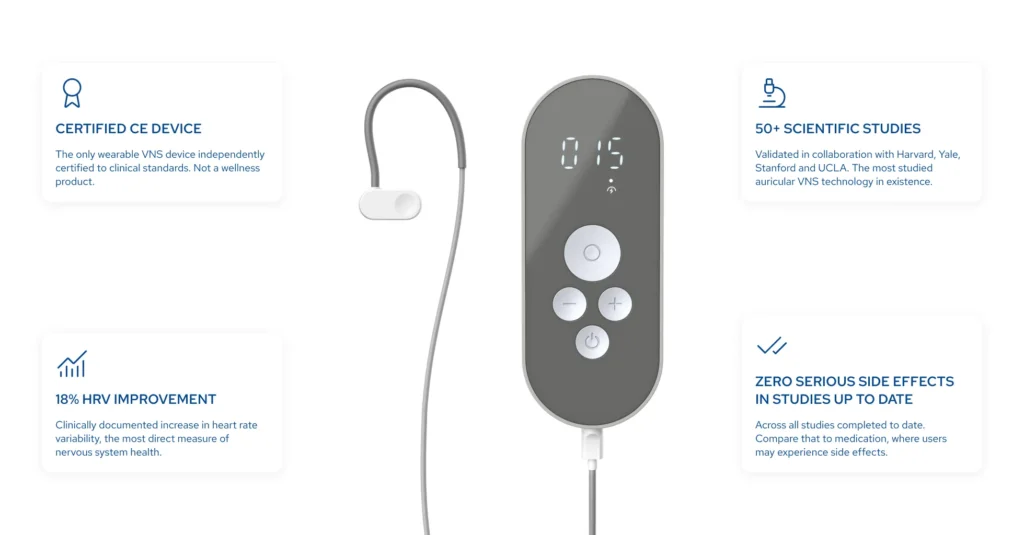
In meiner Arbeit konzentriere ich mich auf das akute Ende der autonomen Dysregulation.
Aber im gesamten Spektrum gelten die gleichen physiologischen Prinzipien.
Bei Menschen, die sich nicht in einer Krise befinden, deren HRV-Daten jedoch durchweg einen unterdrückten autonomen Zustand zeigen, den Ruhe- und Erholungspraktiken allein nicht lösen können, fehlt oft nicht mehr Erholungsaktivität. Es ist die direkte Unterstützung des Vaguswegs, die den Genesungsprozess selbst vorantreibt.
Hier ist Nurosym relevant.
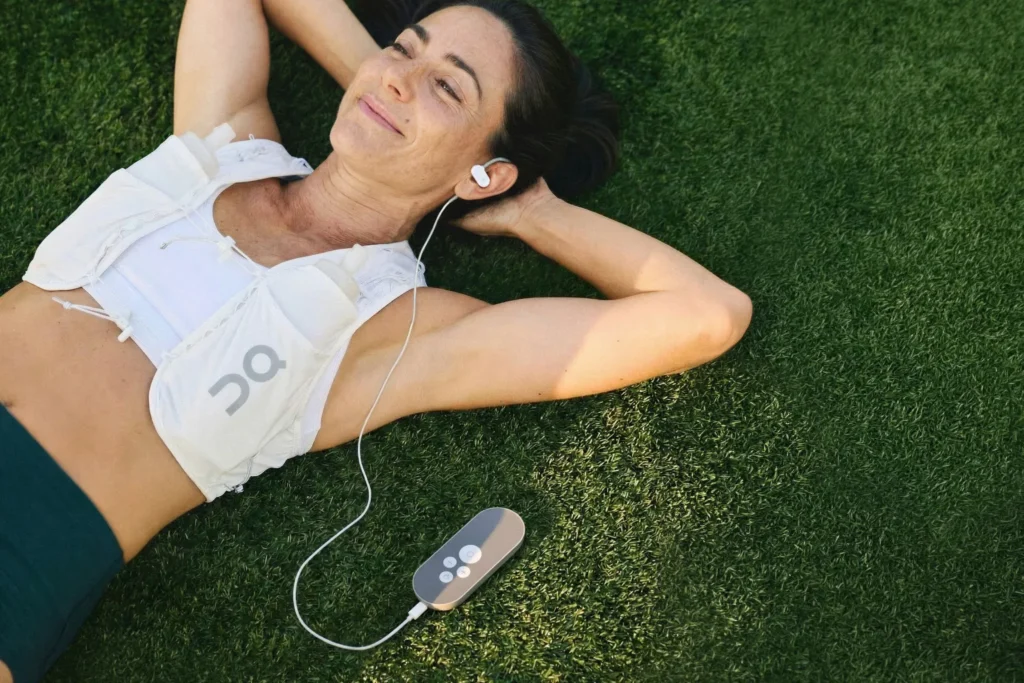
- Was es ist: Ein CE-gekennzeichnetes transkutanes Gerät zur Stimulation des Nervus auricularis vagus, das am Ohrast des Nervus vagus am Außenohr befestigt wird. Dies ist die einzige Stelle auf der Körperoberfläche, an der ein Ast des Nervus cranialis ohne Operation direkt zugänglich ist.
- So funktioniert es: Liefert ein kalibriertes, sanftes elektrisches Signal zur Stimulierung vagaler afferenter Bahnen und unterstützt so eine Verschiebung des autonomen Gleichgewichts und messbare Verbesserungen der HRV bei konsequenter Nutzung.
- Mögliche Gründe für seine Verwendung sind: Für Menschen, deren HRV trotz richtiger Maßnahmen chronisch unterdrückt bleibt, geht es direkt um den Regulierungsmechanismus, anstatt Situationen zu schaffen, in denen sich dieser Mechanismus verbessern könnte. Diese Unterscheidung ist wichtig.
Es ist kein Ersatz für gute Wiederherstellungspraktiken.
Atemarbeit, strukturierte Ruhe, Schlaf und Trainingsbelastungsmanagement bleiben alle relevant. Nurosym arbeitet parallel zu diesen Praktiken und befasst sich mit einer anderen Ebene desselben Problems.
“Bei der Arbeit verwende ich es in meiner 15-minütigen Morgenpause. Wir nennen es den Wackelraum. Anstatt einen weiteren Kaffee zu trinken, der an einem langen Tag weitere Reizdarmsyndrom-Symptome auslösen kann, sitze ich da und trinke ihn 15 Minuten lang.”
– Olivia Tompkins, Intensivpflegerin und CrossFit-Athletin
Profile aus der realen Welt, bei denen dies am relevantesten ist
Der Schichtarbeiter, dessen Nervensystem nie vollständig abschaltet
Unregelmäßige Arbeitszeiten, erhöhte Wachsamkeit während der Schichten und Schwierigkeiten bei der Herunterregulierung zwischen den Schichten führen zu einer chronisch unterdrückten HRV, die mit den Standardempfehlungen zur Genesung nicht vollständig behandelt werden kann. Das Muster ist mir aus meinem eigenen Kontext bekannt.
Der Spitzensportler mit Plateau-Recovery-Metriken
Die Trainingsbelastung ist angemessen, Schlaf wird priorisiert, Ruhetage werden eingehalten, und dennoch ist die HRV seit Wochen nicht auf den saisonalen Ausgangswert zurückgekehrt. Der limitierende Faktor ist die Regulierungskapazität, nicht das Erholungsverhalten.
Der Berufstätige unter anhaltendem beruflichem Stress
Nicht akut krank, nicht übertrainiert, aber mit einer anhaltenden sympathischen Belastung durch Arbeitsanforderungen, die das autonome System in einem Bereitschaftszustand hält, von dem es nicht zurücktreten kann. HRV ist das sichtbare Zeichen; Der Vagustonus ist die zugrunde liegende Variable.
Die Person, deren HRV-Daten eine anhaltende Unterdrückung nach einer Krankheit zeigen
Postvirale oder postinflammatorische Erscheinungen gehen häufig mit einer autonomen Dysregulation einher, die weit über die Auflösung der ursprünglichen Krankheit hinaus anhält. Direkte Vagusunterstützung kann in diesem Zusammenhang ein gezielterer Ansatz sein als allgemeine Genesungspraktiken.
Wer könnte davon profitieren und wer sollte es nicht nutzen
Kann profitieren:
- Menschen mit chronisch unterdrückter HRV trotz entsprechender Trainingsbelastung und Erholungspraktiken
- Diejenigen, die trotz ausreichender Schlafdauer eine schlechte Schlafqualität mit geringer subjektiver Wiederherstellung erleben
- Personen unter anhaltender beruflicher oder psychischer Belastung mit messbarer autonomer Dysregulation
- Sportler, deren Erholungswerte trotz keiner Änderung des Trainingsvolumens stagnierten
- Menschen in der Genesung nach einer Krankheit, bei denen autonome Dysregulation ein anhaltender Faktor zu sein scheint
Vermeiden Sie es, wenn:
- Sie verfügen über einen Herzschrittmacher oder ein implantierbares Herzgerät
- Du schwanger bist
- Sie haben kürzlich ein schweres kardiales Ereignis erlebt
- Sie sind unter 18 Jahre alt
Suchen Sie vor Beginn immer ärztlichen Rat auf, insbesondere wenn Sie eine komplexe kardiale oder autonome Vorgeschichte haben.
Eine überlegte Möglichkeit, es auszuprobieren
- 30-Tägige Geld-zurück-Garantie: Nurosym beinhaltet eine 30-Tage-Police mit voller Rückerstattung, wenn Sie keine bedeutende Änderung Ihrer HRV oder Erholungsqualität bemerken. Das macht es praktisch, vor dem Commit anhand der eigenen Daten auszuwerten.
- Forschungsrabatt: Zeitweise können Teilnehmer des laufenden Forschungsprogramms von Nurosym einen Zuschuss von bis zu 70 Euro für den Erfahrungsaustausch erhalten.
Bei einer Nutzung von etwa 30 Minuten pro Tag passt es sich der bestehenden Erholungszeit an, ohne den Tag umzustrukturieren.
Abschließende Gedanken: Sie können ein dysreguliertes Regulierungssystem nicht übertreffen
Wenn Ihre HRV-Daten auf etwas hinweisen, das Ihre Wiederherstellungspraktiken nicht lösen, lautet die nützlichste Frage nicht “Was sollte ich meiner Wiederherstellungsroutine noch hinzufügen?”
Es geht darum, ob das Regulierungssystem, das die Erholung vorantreibt, über ausreichende Kapazitäten verfügt, um auf das zu reagieren, was Sie bereits tun.
Ruhe schafft eine Chance zur Genesung.
Der Vagusnerv und das von ihm gesteuerte parasympathische System bestimmen, ob diese Gelegenheit genutzt wird.
Wenn der Vagustonus tatsächlich beeinträchtigt ist, stellt die direkte Unterstützung eine andere Art von Intervention dar als alles andere im Standard-Wiederherstellungs-Toolkit. Für manche Menschen ist es die Intervention, die dafür sorgt, dass der Rest funktioniert.
Referenzen
- Cooper, T. M., McKinley, P. S., Seeman, T. E., Choo, T. H., Lee, S., and Sloan, R. P. (2015). Heart rate variability predicts levels of inflammatory markers: Evidence for the vagal anti-inflammatory pathway. Brain, Behavior, and Immunity, 49, 94-100. https://doi.org/10.1016/j.bbi.2014.12.017
- Wolf, V., Kuhnel, A., Teckentrup, V., Koenig, J., and Kroemer, N. B. (2021). Does transcutaneous auricular vagus nerve stimulation affect vagally mediated heart rate variability? A living and interactive Bayesian meta-analysis. Psychophysiology, 58(11), e13933. https://doi.org/10.1111/psyp.13933
- Bremner, J. D., Gurel, N. Z., Jiao, Y., Wittbrodt, M. T., Levantsevych, O. M., Huang, M., Jung, H., Shandhi, M. H., Beckwith, J., Herring, I., Rapaport, M. H., Murrah, N., Driggers, E., Ko, Y. A., Alkhalaf, M. L., Soudan, M., Song, J., Ku, B. S., Shallenberger, L., and Pearce, B. D. (2020). Transcutaneous vagal nerve stimulation blocks stress-induced activation of interleukin-6 and interferon-gamma in posttraumatic stress disorder: A double-blind, randomized, sham-controlled trial. Brain, Behavior, and Immunity – Health, 9, 100138. https://doi.org/10.1016/j.bbih.2020.100138
- Pacheco-Barrios, K., Gianlorenco, A. C., Camargo, L., Andrade, M. F., Choi, H., Song, J. J., and Fregni, F. (2024). Transauricular vagus nerve stimulation enhances conditioned pain modulation in healthy subjects: A randomized controlled trial. Brain Stimulation, 17(2), 346-348. https://doi.org/10.1016/j.brs.2024.03.006
- Kim, A. Y., Marduy, A., de Melo, P. S., Gianlorenco, A. C., Kim, C. K., Choi, H., Song, J. J., and Fregni, F. (2022). Safety of transcutaneous auricular vagus nerve stimulation (taVNS): A systematic review and meta-analysis. Scientific Reports, 12, 22055. https://doi.org/10.1038/s41598-022-25864-1
- Redgrave, J., Day, D., Leung, H., Laud, P. J., Ali, A., Lindert, R., and Majid, A. (2018). Safety and tolerability of transcutaneous vagus nerve stimulation in humans: A systematic review. Brain Stimulation, 11(6), 1225-1238. https://doi.org/10.1016/j.brs.2018.08.010
- Chalmers, J. A., Quintana, D. S., Abbott, M. J. A., and Kemp, A. H. (2014). Anxiety disorders are associated with reduced heart rate variability: A meta-analysis. Frontiers in Psychiatry, 5, 80. https://doi.org/10.3389/fpsyt.2014.00080
- Forte, G., Favieri, F., Leemhuis, E., De Martino, M. L., Giannini, A. M., De Gennaro, L., Casagrande, M., and Pazzaglia, M. (2022). Ear your heart: transcutaneous auricular vagus nerve stimulation on heart rate variability in healthy young participants. PeerJ, 10, e14447. https://doi.org/10.7717/peerj.14447
Dieser Blogbeitrag soll informativ sein und sollte keine professionelle Gesundheitsberatung ersetzen. Konsultieren Sie immer einen Arzt, um eine individuelle Beratung zu erhalten.



 German
  English
  French
  Spanish
  Swedish