
Points clés
- L’inflammation, la défense essentielle du corps, peut devenir nocive si elle persiste.
- L’inflammation aiguë guérit ; l’inflammation chronique contribue à des problèmes de santé continus.
- Les habitudes quotidiennes—régime, mouvement, repos, gestion du stress — peuvent aider à modérer l’inflammation.
- Les nouvelles stratégies et thérapies émergentes offrent des moyens supplémentaires de soutenir le bien-être.
- L’inflammation chronique progresse souvent silencieusement, affectant plusieurs systèmes avant que les symptômes visibles n’apparaissent.
Une flamme silencieuse : quand l’alarme du corps ne s’éteint pas
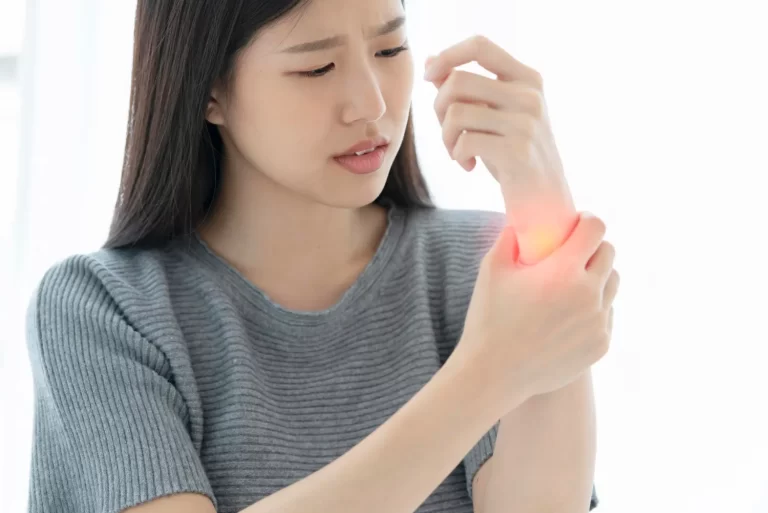
Gonflement, chaleur et rougeur—signes classiques d’inflammation — sont la façon dont le corps guérit les blessures ou combat l’infection. Mais parfois, cette alarme reste allumée sans raison claire. Les experts médicaux décrivent cette activation immunitaire persistante comme une « inflammation chronique ». Contrairement à l’inflammation aiguë, qui se résout après la guérison, l’inflammation chronique peut continuer tranquillement sous la surface—même avant qu’une personne ne remarque des changements. Il peut tranquillement endommager les tissus au fil du temps, contribuant à des conditions comme la douleur articulaire et les problèmes cardiaques.
De la guérison aux dommages : comprendre l’inflammation aiguë par rapport à l’inflammation chronique
L’inflammation est un processus à deux visages avec des rôles distincts :
- inflammation aiguë est de courte durée et protecteur. Lorsque les tissus sont blessés ou infectés, le système immunitaire réagit avec des rougeurs, un gonflement et de la douleur pour faire entrer des cellules réparatrices.
- Chronic inflammation, en revanche, peut durer des semaines, des mois, voire des années lorsque la réponse inflammatoire ne se résout pas. Il implique souvent différentes cellules immunitaires et contribue aux dommages tissulaires, à la cicatrisation et aux symptômes persistants.
- L’inflammation chronique n’engage pas seulement le système immunitaire inné, mais aussi les voies adaptatives, créant des changements à long terme dans la façon dont le corps réagit aux menaces perçues.
Les effets en chaîne : comment l’inflammation chronique sape la santé
L’inflammation chronique n’est pas seulement un problème localisé—elle se répercute à travers plusieurs systèmes corporels :
- santé cardiovasculaire : L’inflammation persistante joue un rôle dans la formation de plaque artérielle et les problèmes cardiaques.
- métabolisme : Les signaux inflammatoires peuvent interférer avec la sensibilité à l’insuline, contribuant ainsi au déséquilibre glycémique et à la tension métabolique.
- Humeur et cerveau : Des preuves émergentes suggèrent que les produits chimiques inflammatoires (cytokines) influencent la régulation de l’humeur, contribuant éventuellement aux pensées anxieuses et aux états dépressifs.
- Santé digestive et articulaire : Les problèmes intestinaux inflammatoires et l’inconfort articulaire sont couramment liés à une hyperactivité immunitaire.
Déclencheurs quotidiens qui maintiennent la flamme allumée
Toutes les inflammations ne proviennent pas d’infections ou de blessures. Les habitudes quotidiennes et les facteurs environnementaux contribuent souvent involontairement à une inflammation chronique de bas grade :
- Les régimes riches en aliments ultra-transformés, sucres ajoutés et graisses malsaines (graisses trans et graisses saturées excessives) peuvent augmenter l’activité inflammatoire.
- Un mauvais sommeil augmente les marqueurs inflammatoires comme l’IL-6 et la CRP, ce qui fait du repos réparateur une partie clé du contrôle de l’inflammation.
- Les modes de vie sédentaires et un mauvais sommeil perturbent l’équilibre immunitaire.
- Le stress psychologique chronique et les polluants environnementaux—tels que le tabagisme et la pollution de l’air — soutiennent les réponses inflammatoires.
- Une altération de la santé intestinale et une perméabilité intestinale accrue peuvent également aggraver la charge inflammatoire.
Stratégies fondées sur des preuves pour refroidir naturellement l’inflammation
La bonne nouvelle ? Apaiser cette flamme silencieuse ne nécessite pas de changements extrêmes—juste des étapes cohérentes et fondées sur des preuves :
- Adopter un régime anti-inflammatoire
Le régime méditerranéen—riche en baies, légumes à feuilles, grains entiers, légumineuses, huile d’olive et poissons gras — est fortement lié à une inflammation plus faible et à un risque de maladie réduit. Les aliments entiers, comme les légumes, les fruits, les légumineuses, les protéines maigres et les fruits de mer riches en oméga-3–, fournissent des composés anti-inflammatoires. - se déplacer régulièrement
Même une activité modérée, comme la marche, le yoga ou le vélo, aide à réduire les marqueurs inflammatoires et soutient la santé systémique. - Prioriser un sommeil réparateur
Visez 7 à 9 heures par nuit. Un bon sommeil soutient la régulation immunitaire et aide à réduire l’inflammation. - Gérer le stress avec des approches esprit-corps
La pleine conscience, la relaxation et le temps dans la nature peuvent réduire l’inflammation induite par le stress. - Surveiller avec des examens préventifs
Tester des marqueurs inflammatoires tels que la protéine C-réactive à haute sensibilité (hs-CRP) aide à découvrir une inflammation cachée avant qu’elle ne devienne problématique. - Envisager des suppléments avec précaution
Les acides gras oméga-3 (EPA et DHA) ont montré des avantages dans la réduction de l’inflammation dans la douleur articulaire et la santé cardiovasculaire—mais les résultats sont mitigés, et non universels. Dans certains cas, un apport déséquilibré en oméga-3 par rapport aux oméga-6 peut modifier l’activité immunitaire, entraînant des variations des biomarqueurs inflammatoires. Une étude randomisée a également montré une réduction de l’inflammation liée à l’âge après une supplémentation en multi-nutriments et en oméga-3.
Approches de pointe : Thérapies émergentes et innovation préventive
Au-delà des habitudes quotidiennes, de nouvelles thérapies élargissent les outils disponibles pour moduler l’inflammation :
- Neuromodulation portable : Les dispositifs de stimulation vagale non invasive marqués CE semblent prometteurs pour atténuer la signalisation inflammatoire par les voies neuronales.
- Precision Nutrition : Des plans diététiques sur mesure basés sur le microbiome et le profilage génétique offrent une approche personnalisée.
- thérapies moléculaires ciblées : Les approches expérimentales visent à bloquer des médiateurs inflammatoires spécifiques sans supprimer complètement le système immunitaire. Par exemple, certaines thérapies ciblent les cytokines impliquées dans les cascades inflammatoires chroniques.
Le Takeaway : Choix quotidiens, Équilibre durable
L’inflammation est à la fois un allié crucial et un facteur sous-jacent du risque de maladie. Lorsqu’elle devient chronique, elle peut lentement éroder la santé à travers les systèmes. Mais tu n’es pas impuissant. En adoptant une alimentation complète, en vous déplaçant quotidiennement, en privilégiant le repos, en gérant le stress et en restant proactif avec des soins préventifs, vous pouvez aider à garder cette flamme interne allumée, pas brûlée.
Etapes suivantes
Vous voulez plus d’informations scientifiques sur la réduction de l’inflammation et le soutien au bien-être du corps entier ? Abonnez-vous gratuitement pour recevoir des articles sur la santé évalués par des experts dans votre boîte de réception.
Cet article de blog vise à être informatif et ne doit pas remplacer les conseils de santé professionnels. Toujours consulter un professionnel de santé pour des conseils personnalisés.
Sources
- Kerlikowsky F, Krüger K, Hahn A, Schuchardt JP. Multimicronutrient and omega-3 fatty acid supplementation reduces low-grade inflammation in older participants: An exploratory study. Nutrition Research. 2025 Aug;140:46–58.
- Bonaz B. Non-invasive vagus nerve stimulation: the future of inflammatory bowel disease treatment? Bioelectronic Medicine. 2023 Nov 29;9(1).
- Zotova NV, Zhuravleva Y, Chereshnev VA, Gusev EI. Acute and Chronic Systemic Inflammation: Features and Differences in the Pathogenesis, and Integral Criteria for Verification and Differentiation. International Journal of Molecular Sciences. 2023 Jan 6;24(2):1144–4.
- Pahwa R, Jialal I, Goyal A. Chronic inflammation [Internet]. National Library of Medicine. StatPearls Publishing; 2023. Available from: https://www.ncbi.nlm.nih.gov/books/NBK493173/
- Chavda VP, Feehan J, Apostolopoulos V. Inflammation: The Cause of All Diseases. Cells [Internet]. 2024 Nov 18;13(22):1906. Available from: https://mdpi-res.com/bookfiles/topic/7916/Inflammation_The_Cause_of_All_Diseases.pdf?v=1732586799
- Boots EA, Feinstein DL, Leurgans S, Aiken-Morgan AT, Fleischman DA, Lamar M, et al. Acute versus chronic inflammatory markers and cognition in older black adults: Results from the Minority Aging Research Study. Brain, Behavior, and Immunity. 2022 Jul;103:163–70.



 French
  English
  German
  Spanish
  Swedish
This was such a comforting read. I like how it focuses on things we can do every day instead of making health feel scary or complicated
Didn’t realise things like sleep and stress had such a big link to inflammation. Definitely made me think about slowing down a bit.