

By VJ Hamilton, Clinical Nutritionist & Autoimmunity Specialist| Published on February 19, 2026 | Medically reviewed by Dr Aneesia Satheesan, BAMS, MD, MSc


Do You Wake Up Exhausted No Matter How Much You Sleep?
Ask yourself
- Do you drag yourself out of bed already tired, like your night gave you no fuel?
- Do you feel like mornings are the hardest part of your day, your body heavy and sluggish before you’ve even started?
- Do you spend weekends “catching up” on sleep, yet never feel refreshed?
- Do your mornings feel like walking through mud, every step and effort?
If you answered yes, your autonomic nervous system (ANS) may be dysregulated. Instead of allowing restorative sleep, your body stays stuck in stress mode overnight, leaving you drained before the day begins.
VJ Hamilton (functional medicine practitioner and founder of the Autoimmune Nutrition Clinic) knows this pattern intimately, having overcome chronic tiredness syndrome herself.
She now helps uncover the hidden drivers behind nervous system dysfunction using advanced functional testing like adrenal stress profiles and metabolic panels.
Her personalised, root-cause approach pairs powerfully with neuromodulation to address tiredness at every level.
Physiological Mechanisms:
- Blunted recovery cycles: Healthy sleep alternates between sympathetic (alert) and parasympathetic (rest) dominance. Tiredness sufferers remain locked in sympathetic dominance, blocking deep restoration.
- Suppressed vagal tone: Low vagus nerve activity means poor heart rate variability (HRV) and inefficient recovery, like your body never shifts into “repair mode.”
- Inflammatory persistence: A stressed nervous system maintains low-grade inflammation that prevents muscle, nerve, and immune recovery while you sleep.
Short sessions of taVNS (transcutaneous auricular Vagus Nerve Stimulation) have been shown to reduce the cortisol response to acute mental stress in controlled studies, and daily use over two weeks improved autonomic balance and aspects of sleep and mood.
Functional medicine practitioners like VJ Hamilton at the Autoimmune Nutrition Clinic now incorporate vagus nerve stimulation into their client protocols, recognising that nervous system regulation is foundational to resolving chronic tiredness.


Do Afternoon Energy Crashes Control Your Day?
Ask yourself
- Do you reliably hit a wall around 2-3pm, struggling to focus on even simple tasks?
- Do you rely on caffeine or sugar to “push through” afternoons, only to crash harder later?
- Do you feel like your brain fog thickens as the day wears on, conversations and meetings draining you completely?
- Do you cancel evening plans simply because you’re too wiped out?

Physiological Mechanisms:
- Autonomic imbalance: Instead of smoothly shifting between activity and recovery states, your ANS sputters like a faulty engine, draining energy mid-day.
- Mitochondrial suppression: Low vagal tone contributes to oxidative stress and mitochondrial dysfunction, your cells can’t generate sustained energy.
Vagal pathways are central to regulating inflammation.
Research shows that taVNS can modulate these signals, supporting recovery and reducing the inflammatory stress that contributes to tiredness.
Functional medicine practitioners like VJ Hamilton take this a step further, using advanced testing such as comprehensive stool analysis and metabolic panels to identify the specific inflammatory triggers unique to each person, creating a targeted plan to calm the immune system from the inside out.

Is Brain Fog Stealing Your Focus and Motivation?
Ask yourself
- Do you reread the same sentence multiple times because nothing sticks?
- Do you forget simple tasks, like why you walked into a room?
- Do you feel mentally drained even when your body is at rest?
- Do you struggle to follow conversations, zoning out mid-sentence?
Physiological Mechanisms:
- Prefrontal cortex under-activation: Tiredness-related nervous system dysfunction dampens the “focus hub” of the brain, impairing concentration.
- Neurotransmitter imbalance: Low vagal tone disrupts dopamine and acetylcholine, chemicals critical for attention and motivation.
- Neuroinflammation: Chronic tiredness is linked to brain inflammation that slows mental processing like a computer running on outdated software.
Scientific research shows taVNS can influence brain networks involved in attention and working memory, with some studies reporting improvements in focus and mental clarity.
When brain fog persists, deeper root causes like mitochondrial dysfunction or nutrient depletion may be at play, exactly what VJ Hamilton’s Autoimmune Nutrition Clinic specialises in uncovering through functional testing and personalised protocols.

Do You Feel Like Your Body Never Recovers?
Ask yourself
- Do even simple activities (like climbing stairs or grocery shopping) leave you wiped out?
- Do workouts cause you to “crash” for days, instead of energizing you?
- Do your muscles ache and joints feel inflamed even after rest?
- Do you feel like your body has lost its ability to bounce back?
Physiological Mechanisms:
- Autonomic dysfunction: Poor vagus signaling keeps your system stuck in catabolic (breakdown) mode, preventing anabolic (repair) processes.
- Inflammation lock-in: Without vagal activation of the anti-inflammatory reflex, cytokines like IL-6 remain elevated, perpetuating tiredness and pain.
- Recovery system collapse: HRV studies show tired individuals lack the parasympathetic surges needed for tissue repair after stress or exertion.

In a randomized scientific study, taVNS reduced sleep problem severity compared with control, suggesting a role in supporting deeper, more restorative sleep.
When the body still won’t recover despite rest, deeper factors may be at play.
VJ Hamilton’s Autoimmune Nutrition Clinic identifies the metabolic, immune, and gut-related drivers blocking recovery, with vagus nerve stimulation now part of the integrative approach she recommends to clients.

Is Your Tiredness Affecting Mood and Resilience?
Ask yourself
- Do you feel emotionally flat, detached, or unmotivated?
- Do small stressors feel overwhelming, as though you have no buffer left?
- Do you feel sadness or irritability more often when exhaustion peaks?
- Do you avoid activities you once loved simply because you “don’t have the energy”?

Physiological Mechanisms:
- Vagal-brain communication failure: Poor vagus signaling alters mood-regulating neurotransmitters, fueling depressive or anxious states.
- Energy-emotion feedback loop: Exhaustion magnifies negative thoughts, while low mood further saps energy, a cycle rooted in autonomic imbalance.
- Hippocampal disruption: Chronic tiredness and stress reduce hippocampal volume, impairing both energy regulation and emotional resilience.

Does Tiredness Disrupt Your Digestion and Immunity?
Ask yourself
- Do you get bloated or uncomfortable after meals, as if your gut can’t keep up?
- Do you experience frequent colds or slow healing from minor illnesses?
- Do you have unpredictable bowel habits, alternating between sluggishness and urgency?
- Do stressful weeks leave your stomach and energy equally wrecked?
Physiological Mechanisms:
- Gut-brain axis dysfunction: Low vagal tone reduces digestive enzyme secretion and gut motility, leaving food poorly digested and nutrients under-absorbed.
- Immune dysregulation: Poor vagus activation blunts anti-inflammatory pathways, leaving the immune system both weak and overactive.
- Microbiome imbalance: Vagal dysfunction contributes to microbiome disruption that worsens tiredness via gut-derived inflammation.
VNS as a Solution to Fatigue and Tiredness
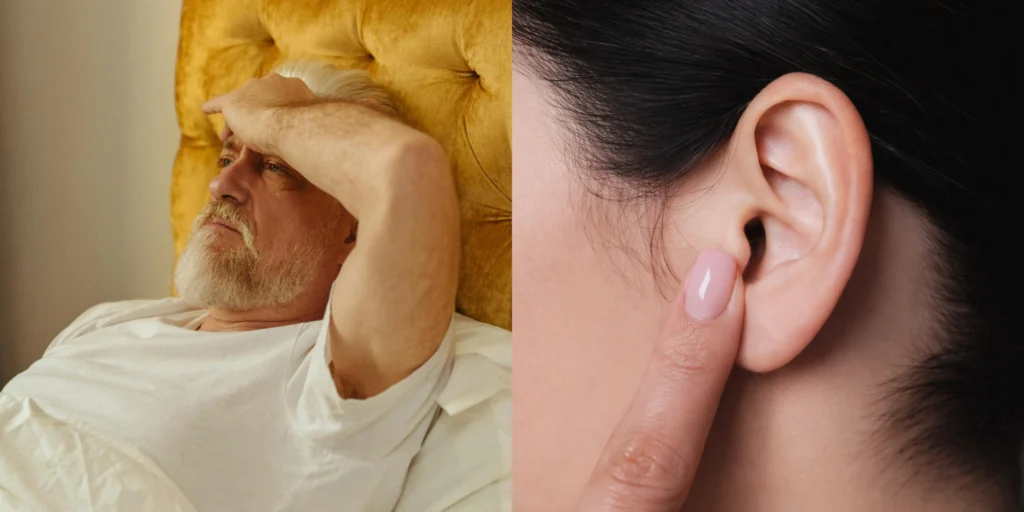
Persistent fatigue isn’t always a “low battery” problem… It’s often a regulation problem, where the body struggles to return to baseline.
That’s why researchers are looking at the vagus nerve, a major route into the parasympathetic “rest and repair” system.
The vagus nerve is often seen as the network that helps slow heart rate, soften stress signaling, support digestion, and shift the body toward maintenance and restoration. When this system engages reliably, sleep tends to be more physiologically restorative and daytime recovery capacity improves.
The problem?
For many people, this pathway can become underactive (almost ‘dormant’) so it doesn’t engage reliably without support.
The Solution to Energy Issues
When fatigue feels “stuck” (even after a full night’s sleep) the issue is often less about willpower and more about recovery physiology.
But after $10M invested into research, science found a way to help the nervous system shift out of stress mode and back toward ‘rest and repair.’
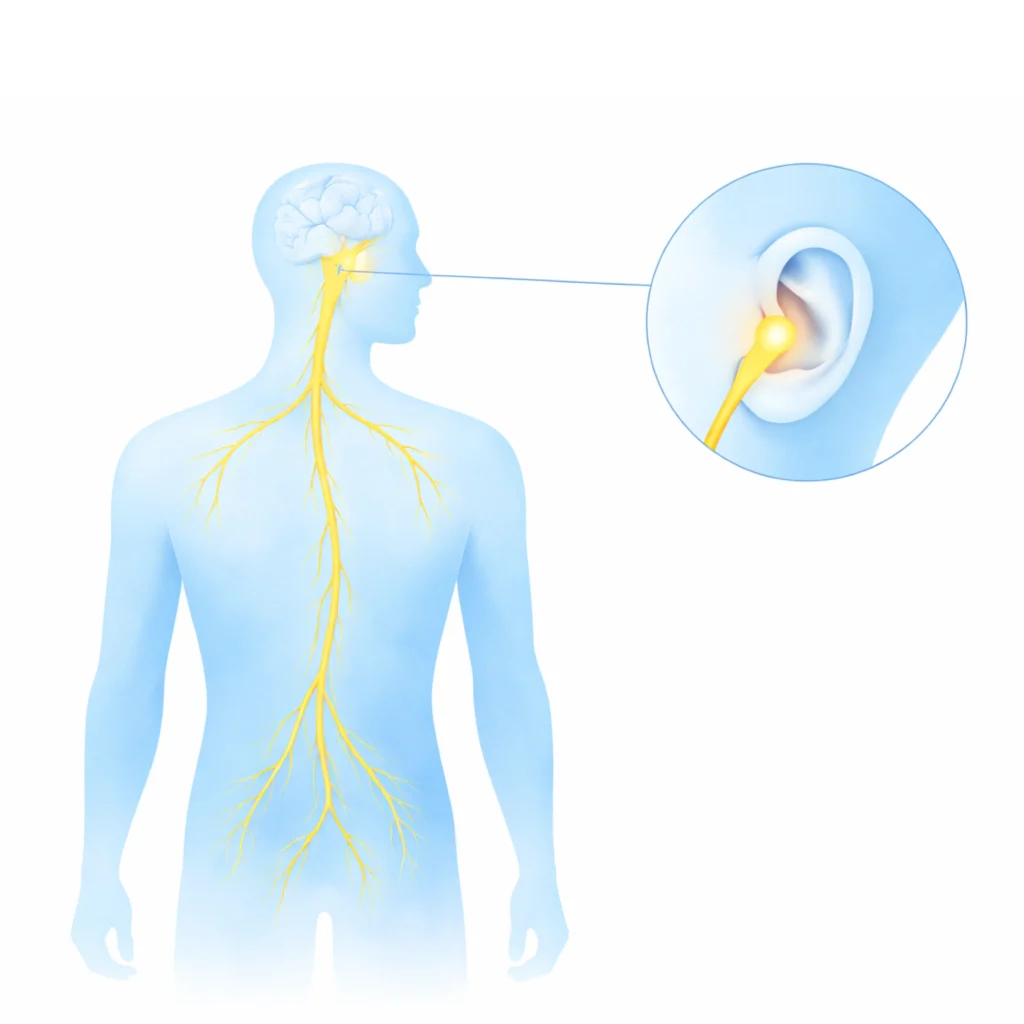
Introducing Nurosym: Non-Invasive Vagus Nerve Stimulation for Recovery
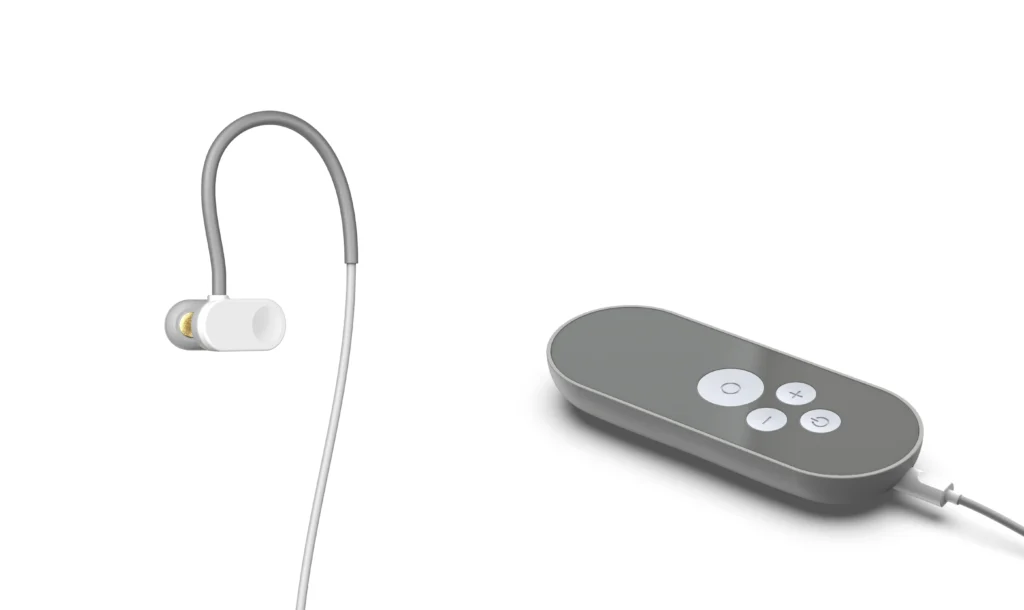
Nurosym is a CE-marked, at-home, non-invasive vagus nerve stimulation (VNS) device designed to support recovery when fatigue feels “stuck”, even after a full night’s sleep.
Nurosym delivers this stimulation through the ear, where the device can access a vagal pathway without surgery or medication.
It’s designed for consistent, at-home use. So supporting recovery becomes something you can do daily, not just read about.
How it works
Nurosym uses gentle ear-based stimulation and is calibrated to feel like a light tingling rather than an intense shock.
The goal isn’t a quick “energy boost,” but helping the nervous system downshift out of high-alert mode so recovery becomes possible again.
What using it looks like
- A small home device used as part of a routine
- Users typically describe it as a light tingling sensation
- Designed to be simple and drug-free
Persistent fatigue isn’t always “low battery.”..
For many people it reflects a system that doesn’t fully return to baseline… so sleep can be long, but still not feel restorative, leaving people unrefreshed and cognitively slowed.
And here’s what people who have tried Nurosym have to say…
“Five-star rating from me. In this world where there isn’t much we can rely on, this is one of the things we can count on.”
– Derek
“I really notice that when I haven’t used it, I don’t sleep as well. … “when I don’t use it, I feel much more inflamed, sore, and just not well.”
– Kate
“I love it. I use it daily. It helps me sleep better and feel better. I would recommend it to everyone.”
– Tijana
“I ordered it online, and I can honestly say that within a few days of use, the symptoms disappeared.”
– Lucy
“I would wholeheartedly recommend the Nurosym neurostimulation device to anyone who may be struggling with stress and who wants to improve their well-being and peace of mind.”
– Jordan
“I had a very good experience with it, and I would recommend it to anyone hoping for relief, especially from symptoms of fatigue and brain fog.”
– Tasha
“Nurosym seems to have had a positive impact on me. Do I feel a little less stressed? Yes. So I’m happy to say that the intervention seems to have been effective.”
– Doctor James Gill
“For me, I’ve always struggled with my recovery. But now, with Nurosym, I’m able to achieve my best scores every day using Nurosym.”
– Tanya
Many more users report improvements over time such as better sleep quality, steadier daytime energy, and clearer mental functioning, especially when used consistently as part of a recovery routine.
Recent research discusses VNS in contexts like post-viral fatigue patterns and chronic fatigue-like symptoms, often focusing on mechanisms such as increased parasympathetic activity and effects on inflammatory signaling (e.g., cytokines).
“Normal” VNS Stimulation Is Likely Ineffective…
Nurosym is built specifically for non-invasive vagus nerve stimulation through the ear: the approach most commonly used in transcutaneous VNS research (often targeting areas like the tragus or cymba conchae).
But here’s what you need to know:
Unlike neck-applied stimulation, which can be harder to place consistently and may stimulate a mix of nearby tissues, ear-based stimulation is designed to access a vagal pathway in a more controlled, practical way for daily at-home use.
What it means?
Compared with general “electrical wellness” devices that weren’t designed or regulated for vagus-specific neuromodulation, Nurosym is positioned as a CE-marked device with a research-led design focus.
As Dr. VJ Hamilton explains to clients at the Autoimmune Nutrition Clinic, this framework can help explain why some people with chronic tiredness and autoimmune-linked symptoms can sleep for hours yet wake up feeling like they never truly rested.
Endorsed by Leading Tiredness & Recovery Specialists

Anthony Kaveh, MD
Anesthesiologist & Medical Director at Clarus Health
“I wanted to know if we could help patients escape exhaustion from an out-of-control nervous system. So far, the answer is yes.”
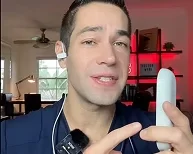
Dr Myro Figura
Anesthesiologist & Chief Medical Officer at HealFast
“(Nurosym) increases the rest-and-repair side of your nervous system—an important tool for restoring energy.”
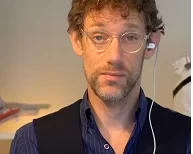
Dr James Gill
Associate Professor at Warwick Medical School & General Practitioner
“Independent research at Leeds University demonstrated reduced sympathetic nerve activity. Personally, my HRV increased from the 40s to 69 with Nurosym.”

Bryan Johnson
Founder of Braintree, Project Blueprint
“In five months, my HRV improved from 37 ms to 54 ms. HRV is a major biomarker of resilience, recovery, and aging.”
Take Control of Your Tiredness Naturally

Join thousands who’ve reclaimed their energy naturally.
Participate in our tiredness recovery research study and save €40 on your Nurosym device.
*Research participation assessment takes less than 3 minutes
60+
Completed scientific studies referenced
4M+
Happy user sessions delivered
30
Day money back guarantee

certified medical device
Join thousands who’ve reclaimed their energy naturally.
Participate in our tiredness recovery research study and save €40 on your Nurosym device.
*Research participation assessment takes less than 3 minutes
60+
Completed scientific studies referenced
4M+
Happy user sessions delivered
30
Day money back guarantee

certified medical device
30-Day Money-Back Guarantee
Experience energy renewal with Nurosym for 30 days. If you don’t see improvements in your tiredness, clarity, or sleep, they’ll refund you.
They’re confident Nurosym’s scientifically proven vagus nerve stimulation will help you overcome tiredness naturally, without drugs or surgery.
References:
- Morris, G., & Maes, M. (2013). Myalgic encephalomyelitis/chronic tiredness syndrome and multiple sclerosis show remarkable similarities in neuroimmune characteristics. BMC Medicine, 11, 205. https://doi.org/10.1186/1741-7015-11-205
- VanElzakker, M. B. (2013). Chronic tiredness syndrome from vagus nerve infection: A psychoneuroimmunological hypothesis. Medical Hypotheses, 81(3), 414–423. https://doi.org/10.1016/j.mehy.2013.05.034
- Tarn, J., Legg, S., Mitchell, S., Simon, B., & Ng, W.-F. (2019). The effects of non-invasive vagus nerve stimulation on tiredness and immune responses in users with primary Sjögren’s syndrome. Neuromodulation, 22(5), 580–585. https://doi.org/10.1111/ner.12879
- Tarn, J., Legg, S., Mitchell, S., Simon, B., & Ng, W.-F. (2023). The effects of noninvasive vagus nerve stimulation on tiredness in participants with primary Sjögren’s syndrome. Neuromodulation, 26(3), 681–689. https://doi.org/10.1016/j.neurom.2022.08.461
- Zhang, S., Zhao, Y., Qin, Z., Han, Y., He, J., Zhao, B., Wang, L., Duan, Y., Huo, J., Wang, T., Wang, Y., & Rong, P. (2024). Transcutaneous auricular vagus nerve stimulation for chronic sleep problems: A randomized scientific study. JAMA Network Open, 7(12), e2451217. https://doi.org/10.1001/jamanetworkopen.2024.51217
- Zheng, Z. S., Simonian, N., Wang, J., & Rosario, E. R. (2024). Transcutaneous vagus nerve stimulation improves Post-Viral symptoms in a female cohort: A pilot study. Frontiers in Neurology, 15, 1393371. https://doi.org/10.3389/fneur.2024.1393371
- Geng, D., Liu, X., Wang, Y., & Wang, J. (2022). The effect of transcutaneous auricular vagus nerve stimulation on HRV in healthy young people. PLOS ONE, 17(2), e0263833. https://doi.org/10.1371/journal.pone.0263833
- Fang, Y.-T., Lin, Y.-T., Tseng, W.-L., Tseng, P., Hua, G.-L., Chao, Y.-J., & Wu, Y.-J. (2023). Neuroimmunomodulation of vagus nerve stimulation and the therapeutic implications. Frontiers in Aging Neuroscience, 15, 1173987. https://doi.org/10.3389/fnagi.2023.1173987
- Redgrave, J., Day, D., Leung, H., Laud, P. J., Ali, A., Lindert, R., & Majid, A. (2018). Safety and tolerability of transcutaneous vagus nerve stimulation in humans: A systematic review. Brain Stimulation, 11(6), 1225–1238. https://doi.org/10.1016/j.brs.2018.08.010
- Kim, A. Y., Marduy, A., de Melo, P. S., Gianlorenço, A. C., Kim, C. K., Choi, H., Song, J.-J., & Fregni, F. (2022). Safety of transcutaneous auricular vagus nerve stimulation (taVNS): A systematic review and meta-analysis. Scientific Reports, 12, 22055. https://doi.org/10.1038/s41598-022-25864-1

VJ Hamilton, Clinical Nutritionist & Autoimmunity Specialist
VJ is an autoimmune disease expert and functional medicine practitioner who has helped hundreds of people rebuild their strength, rebalance their immune systems, and reclaim their energy.
Share via:


 English
  German
  French
  Spanish