
Key Takeaways
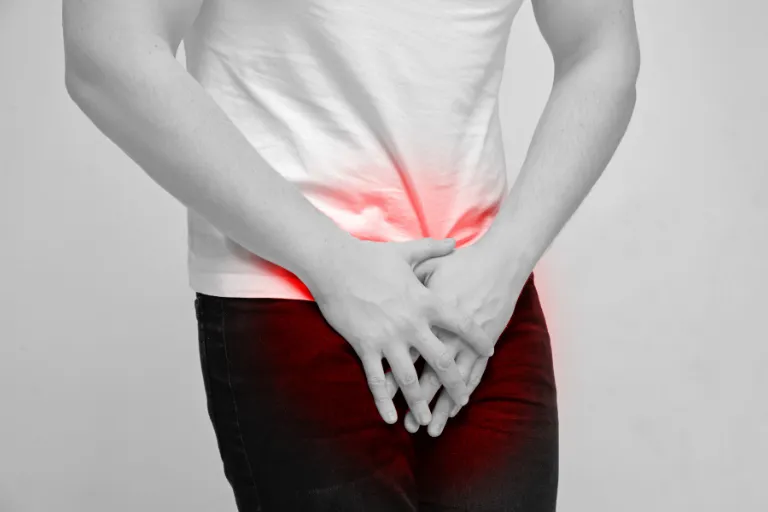
- Prostate inflammation (prostatitis) affects men of all ages and can cause chronic prostate pain, urinary problems, and sexual dysfunction.
- There are four main types of prostatitis, each with distinct causes and symptoms.
- Diagnosis may include urine tests, digital rectal exams, imaging, and symptom tracking tools like the NIH-CPSI.
- Therapies include antibiotics, pelvic floor therapy, and natural remedies like quercetin and saw palmetto.
- Early detection and a tailored treatment plan can improve long-term outcomes.
What Is Prostate Inflammation (Prostatitis)?
Prostatitis is the medical term for inflammation of the prostate gland, a walnut-sized organ located just below the bladder in men. Unlike other prostate issues—such as benign prostatic hyperplasia (BPH) or prostate cancer—prostatitis can affect men of all ages and often presents suddenly or progresses gradually.
There are four main types of prostatitis, classified by the National Institutes of Health (NIH):
- Acute Bacterial Prostatitis – A sudden, severe infection caused by bacteria that requires prompt treatment.
- Chronic Bacterial Prostatitis – A lingering or recurring bacterial infection.
- Chronic Pelvic Pain Syndrome (CPPS) – Ongoing pain and urinary symptoms without bacterial infection; accounts for over 90% of cases.
- Asymptomatic Inflammatory Prostatitis – Inflammation found during screening, with no noticeable symptoms.
Each type presents unique challenges for diagnosis and therapy—particularly CPPS, which remains the least understood.
What Are the Symptoms of Prostate Inflammation?
Prostatitis symptoms can range from mild discomfort to debilitating pelvic pain. They often overlap with urinary tract infections or sexual health issues, making it difficult to self-diagnose.
Common symptoms include:
- Pain or pressure in the pelvic area, perineum, or lower back
- Frequent or urgent urination
- Burning sensation during urination
- Difficulty starting or stopping urine flow
- Painful ejaculation or reduced sexual satisfaction
- Flu-like symptoms (in acute bacterial prostatitis)
According to a 2022 study, users with chronic prostate pain often report emotional tiredness, decreased quality of life, and strain in intimate relationships.
What Causes Prostatitis?
The underlying causes vary depending on the type:
Bacterial Prostatitis
Most common in acute and chronic bacterial forms. Typically caused by:
- E. coli or other gut bacteria
- Sexually transmitted bacteria like Chlamydia or Gonorrhea
- Urinary tract infections that spread to the prostate
- Use of catheters or recent urinary procedures
Non-Bacterial Prostatitis (CPPS)
In the majority of prostatitis cases, no infection is found. Instead, inflammation may be triggered by:
- Nerve dysfunction or hypersensitivity
- Stress and anxious thoughts, which can heighten pelvic muscle tension
- Pelvic floor muscle overactivity
- Autoimmune reactions
- Gut microbiome imbalances, linking digestive inflammation to prostate health
Risk factors include:
- Age between 30–50
- Frequent cycling or prolonged sitting
- History of UTIs or trauma
- Dehydration
- High stress or tiredness levels
How Is Prostatitis Diagnosed?
A health professional will likely use multiple tools to confirm a diagnosis:
- Digital Rectal Exam (DRE) to assess tenderness
- Urine and semen cultures to detect bacteria
- PSA (Prostate-Specific Antigen) test, which may be elevated in inflammation
- NIH Chronic Prostatitis Symptom Index (NIH-CPSI) questionnaire
- Ultrasound or MRI if an abscess or structural issue is suspected
For CPPS, a diagnosis is often made by ruling out infections or prostate cancer through these tests.
What Are the Best Treatments for Prostate Inflammation?
Conventional Therapies
- Antibiotics: Used for bacterial prostatitis, often for 4–6 weeks.
- Alpha-blockers: Help relax the bladder neck and prostate muscles to ease urination.
- Non-steroidal anti-inflammatory drugs (NSAIDs): Reduce pain and swelling.
- Pain relievers: For acute symptom control.
For CPPS, antibiotics are usually ineffective and should be avoided unless a clear infection is detected.
Natural and Complementary Solutions
- Pelvic Floor Physical Therapy
Highly effective in reducing pelvic tension and chronic prostate pain. Focuses on relaxing hyperactive pelvic muscles. - Prostate Massage
Sometimes used to drain fluid buildup and relieve pressure in non-bacterial cases. - Supplements with growing scientific support:
- Quercetin – An antioxidant with anti-inflammatory properties. A randomised study found it significantly improved CPPS symptoms.
- Zinc – Helps regulate immune response and may reduce inflammation.
- Saw Palmetto – Often used to support urinary health in prostate disorders.
- Other holistic options:
- Acupuncture and TENS (transcutaneous electrical nerve stimulation) for pain relief
- Warm compresses or sitz baths to ease discomfort
- Mindfulness, yoga, and breathing exercises to reduce flare-up triggers
Can Prostatitis Be Cured?
While acute bacterial prostatitis can often be fully resolved, chronic forms—especially CPPS—are typically managed, not cured.
Long-term strategies include:
- Identifying and avoiding personal flare triggers (e.g., stress, dehydration)
- Ongoing pelvic therapy
- Support groups or cognitive behavioural therapy for associated emotional challenges
- Regular follow-up with a urologist
Additionally, chronic inflammation can be controlled with multi-modal therapy, and users who commit to long-term care often report significant improvement.
When Should You See a Health Professional?
If you’re experiencing pelvic pain, urinary issues, or discomfort after ejaculation—especially if symptoms last more than a few days—it’s time to talk to a urologist. Early evaluation can rule out more serious problems and start you on the right course of therapy.
Bring a log of your symptoms and ask about:
- Testing for bacterial vs. non-bacterial prostatitis
- Non-pharmaceutical options like physical therapy or supplements
- Long-term management strategies tailored to your case
Final Word
Prostatitis is common, underdiagnosed, and often misunderstood. But with the right diagnosis, a thoughtful plan, and ongoing support, you can reduce symptoms and regain control over your health.
Your Next Steps
Looking for trusted information to help you manage pelvic or urinary discomfort?
This blog post aims to be informational and should not replace professional health advice. Always consult with a health professional for personalised advice.
Source
- Majzoub A, Mahdi M, Khalil I, Saeedi AA, Rumaihi KA. Clinical Phenotyping and Multimodal Treatment of Men With Chronic Prostatitis/Chronic Pelvic Pain Syndrome From the Middle East and North Africa: Determining Treatment Outcomes and Predictors of Clinical Improvement. Urology. 2022 Sep;167:179–84.
- Evans-Durán B, Tripp DA, Campbell J, Doiron RC, Nickel JC. Chronic prostatitis/chronic pelvic pain syndrome-related pain symptoms and their impact on sexual functioning. Canadian Urological Association Journal. 2022 Jan 27;16(6).
- Deves E, Novotny R, Barazzetti FH, Scheffer MC, Pacheco LK, Zimmermann AF, et al. An investigation about chronic prostatitis in ankylosing spondylitis. Advances in Rheumatology. 2021 May 4;61(1).
- Chen J, Ye F, Shang K, Li N, Li C, He H. The mendelian randomized study revealed the association of prostatitis with prostate cancer risk. Scientific Reports [Internet]. 2024 Oct 20 [cited 2024 Nov 16];14(1). Available from: https://www.nature.com/articles/s41598-024-76355-4
- De Nunzio C, Salonia A, Gacci M, Ficarra V. The Role of Combination Therapy with α-Blockers and Hexanic Extract of Serenoa repens in the Treatment of LUTS/BPH. Journal of Clinical Medicine [Internet]. 2022 Jan 1 [cited 2024 Jan 23];11(23):7169. Available from: https://www.mdpi.com/2077-0383/11/23/7169


 English
  German
  French
  Spanish
  Swedish
  Italian
It helped me understand my symptoms without jumping to worst-case scenarios.
Clear breakdown of the different types. That part alone was incredibly helpful.