
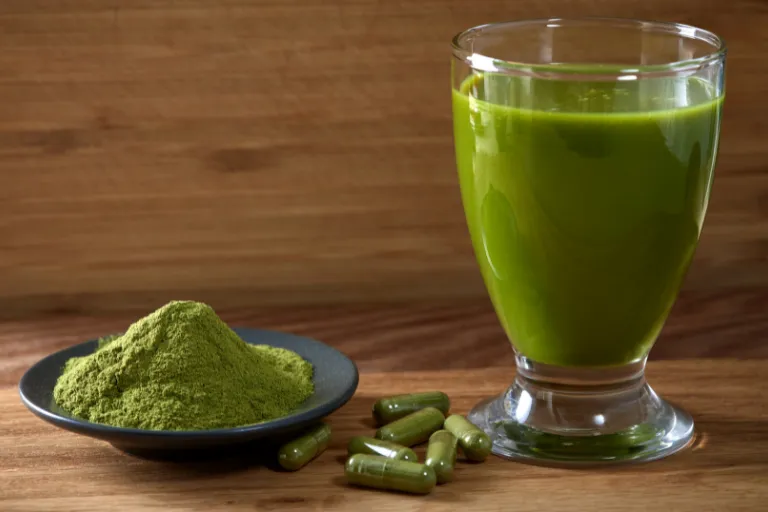
Key Points
- Bloating often comes from gas buildup, slow digestion, microbiome imbalance, or certain foods.
- Greens powders may help by supplying probiotics, digestive enzymes, fiber, and anti-inflammatory botanicals.
- Not all greens powders are effective—quality depends on ingredients, dosing, and third-party testing.
- Choosing a formula with probiotics, enzymes, and gentle fiber is most helpful for reducing bloating.
- This guide reviews the top greens powders with evidence-based ingredients.
Why Bloating Is So Common—And Why Many People Turn to Greens Powders
Bloating is one of the most common digestive discomforts, affecting up to 30% of adults on a regular basis [1]. Between long workdays, fast meals, and foods that are harder to digest, many people don’t realize how everyday habits create a cycle of gas, heaviness, and sluggish digestion.
This is where greens powders enter the conversation. These mixes of vegetables, herbs, probiotics, and enzymes are often marketed as an all-in-one digestive solution. While they’re not a cure, research shows that certain ingredients in greens powders—particularly probiotics, digestive enzymes, and anti-inflammatory botanicals—may support smoother digestion and reduce gas production [2]. The key is knowing which formulas actually work.
This article breaks down the science, the ingredients worth paying attention to, and the top greens powders designed to support bloating relief based on evidence—not hype.
What Causes Bloating? Understanding the Science Behind the Discomfort
Bloating isn’t one single symptom—it’s the result of multiple possible digestive processes. Most cases come down to four core mechanisms:
1. Gas buildup from fermentation
When carbohydrates aren’t fully broken down, gut bacteria ferment them, producing excess gas. This is a major cause of after-meal bloating [3].
2. Slow motility
When the digestive tract moves slowly, food and gas linger longer, leading to pressure and discomfort.
3. Microbiome imbalance
Too few beneficial bacteria—and too many gas-producing strains—can increase bloating and irregularity.
4. Water retention from inflammation
Some people react to certain foods with mild inflammatory gut responses, which can cause swelling and heaviness.
Greens powders target several of these pathways, but only if they contain the right ingredients in meaningful amounts.
How Greens Powders Help With Bloating (According to Research)
Not all greens powders deliver the same gut benefits. The most effective ones rely on ingredients supported by digestive research:
Probiotics (for microbiome balance)
Certain probiotic strains—like Lactobacillus plantarum and Bifidobacterium lactis—help regulate gas production and support digestion [4]. These strains appear in well-formulated greens powders.
Digestive Enzymes (for breaking down food efficiently)
Enzymes like amylase, protease, lipase, and cellulase help break down carbs, proteins, fats, and plant fibers. Research shows enzyme blends can reduce post-meal gas and heaviness [5].
Fiber Blends (for regularity and gut comfort)
Soluble fiber supports softer stools and smoother digestion. Insoluble fiber helps movement but may worsen bloating in high amounts—so a balanced blend is ideal.
Anti-inflammatory Botanicals (for soothing the gut)
Ginger, turmeric, mint, and dandelion may help calm digestive discomfort and support healthy motility [6].
When these ingredients are combined thoughtfully, greens powders can support better digestion and reduce bloating for many users.
Best Greens Powders for Bloating: Top Picks Backed by Ingredient Quality
Below are recommendations based on formulation transparency, digestive-support ingredients, and user feedback. (Note: This is not medical advice; see disclaimer below.)
1. Athletic Greens (AG1)
Best for: Overall digestive support
Why it helps:
- Contains probiotics (Lactobacillus acidophilus, Bifidobacterium bifidum)
- Includes digestive enzymes to help break down food
- Rich in anti-inflammatory plant extracts (ginger, turmeric)
- Third-party tested
Users often report improved regularity and reduced morning bloating. The main drawback is cost.
2. Bloom Greens & Superfoods
Best for: Sensitive stomachs
Why it helps:
- Gentle fiber blend
- Digestive enzyme complex
- Soothing herbs including ginger and peppermint
- Naturally flavored for easy daily use
A solid starter option for people who want a mild formula without overly intense fiber dosing.
3. Amazing Grass Green Superfood (Digestive Health)
Best for: Budget-friendly bloating support
Why it helps:
- Contains prebiotics + probiotics
- Includes ginger and digestive enzymes
- High in alkalizing greens
An accessible option that still provides key ingredients for fighting bloating.
4. Organifi Green Juice
Best for: Inflammation-related bloating
Why it helps:
- Turmeric + green tea extract
- Spirulina and chlorella for antioxidant support
- Gentle on digestion
More focused on inflammation reduction, which may help users whose bloating comes from food reactions.
How to Choose the Right Greens Powder for Bloating
When evaluating any greens powder, look for:
✅ 1. Probiotics (At least 1–3 strains)
Avoid formulas that only list a “proprietary blend” without CFU counts.
✅ 2. Digestive Enzymes
These directly target the breakdown of food—critical for preventing gas.
✅ 3. Gentle Fiber
Too much fiber can worsen bloating. Aim for 2–4 grams per serving.
✅ 4. Transparent Labeling
Avoid products that hide doses in proprietary blends.
✅ 5. Third-Party Testing
Look for NSF, USP, or Informed-Choice certifications.
Lifestyle Tips to Maximize Results
Greens powders work best when paired with supportive habits:
- Drink adequate water throughout the day
- Eat slowly to reduce excess air swallowing
- Limit carbonated drinks and high-gas foods
- Get regular movement to support gut motility
These simple lifestyle shifts can noticeably improve bloating over time.
Conclusion: A Helpful Tool—When You Choose Quality
Greens powders aren’t a magic fix for bloating, but many people find real relief when they choose a formula with probiotics, enzymes, and calming botanicals. By understanding the science behind bloating and what makes a greens powder effective, readers can make smarter choices that support daily digestive comfort.
Medical Disclaimer:
This article does not in any way constitute medical advice. Please seek consultation with a licensed medical professional before starting any therapy. This website may receive commissions from links or products mentioned in this article.
Subscribe for Free for more insightful health articles tailored to your needs.
Sources
- Lacy, B. E., et al. (2021). Bloating and abdominal distension: Clinical evaluation and management. American Journal of Gastroenterology, 116(3), 449–456.
- Patel, S., & Goyal, A. (2012). The current trends and future perspectives of probiotics. Research Journal of Pharmacy and Technology, 5(9), 1100–1107.
- McRorie, J. W., & McKeown, N. M. (2017). Understanding the physiology of bloating. Journal of Gastroenterology and Hepatology, 32(3), 514–521.
- Cremon, C., et al. (2018). Probiotics for gut symptoms. Nutrients, 10(11), 1762.
- Suh, H., et al. (2020). Digestive enzyme supplementation in gastrointestinal health. Integrative Medicine Research, 9(3).
- Mao, Q., et al. (2019). Anti-inflammatory and digestive benefits of ginger. Food & Function, 10(9), 5874–5886.



 English
  German
  French
  Spanish
  Swedish