
La epidemia de sentadillas: Cómo la vida moderna está agotando silenciosamente tu corazón
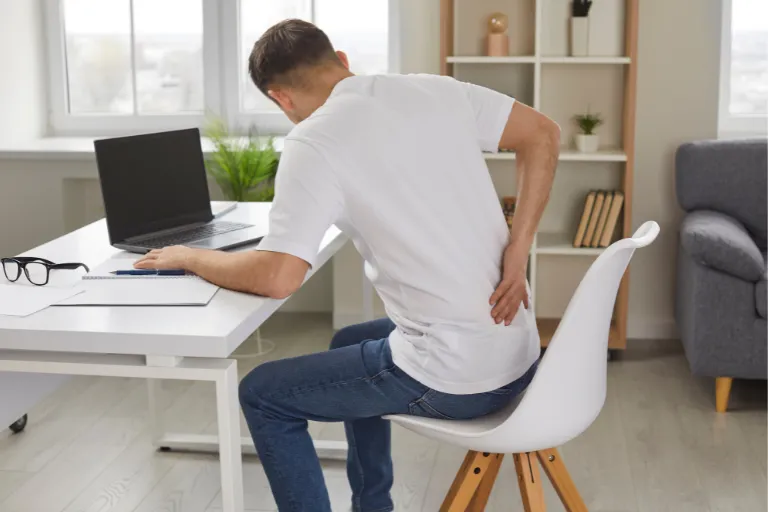
En una fría mañana de lunes, Evan -un desarrollador de software de 43 años- se sentó a su escritorio a las 8:30 y apenas se movió hasta el almuerzo. Después de devorar un sándwich en su escritorio, volvió a estar frente a su pantalla, moviéndose solo ligeramente para estirarse de vez en cuando. Al final del día, su reloj inteligente vibraba con una advertencia: "Has estado inactivo durante 8 horas".
Evan no es inusual. Forma parte de una cohorte global en crecimiento que, sin saberlo, pone a prueba los límites de un cuerpo creado para el movimiento. De hecho, el adulto promedio ahora se sienta durante más de 9 horas al día -más de lo que duerme- y esto está afectando silenciosamente su salud cardiovascular.
Lo que a menudo se considera inofensivo -trabajar en un escritorio, hacer binge-watching un programa o desplazarse por las redes sociales- ahora se entiende como un factor de riesgo significativo para los problemas cardíacos. Este artículo explora por qué la permanencia prolongada en el asiento es una amenaza silenciosa para la salud del corazón, cómo afecta a tu cuerpo a nivel biológico y las formas sorprendentemente simples de defenderse-sin entrenar para un maratón.
Por qué sentarse demasiado tiempo es un problema mayor de lo que crees
La vida moderna recompensa la conveniencia, pero a un costo. Los trabajos de oficina, los viajes largos y el tiempo frente a las pantallas nos han convertido en una sociedad sedentaria. Según los CDC, más de 1 de cada 4 adultos en Estados Unidos se sientan por más de 8 horas al día y sólo una fracción de ellos realizan la cantidad recomendada de actividad física.
Pero los riesgos van más allá de ganar peso o experimentar rigidez. Estudios de la American Heart Association han demostrado un claro vínculo entre el comportamiento sedentario y el aumento del riesgo de episodios cardiovasculares, incluidos los ataques cardíacos y los accidentes cerebrovasculares. Peor aún, incluso quienes hacen ejercicio regularmente no están exentos-el término "couch potato active" describe a las personas que van al gimnasio pero luego se quedan sentadas la mayor parte del día.
La "sesión prolongada", definida como permanecer sentado más de 30 minutos sin una pausa en los movimientos, se ha convertido en una epidemia silenciosa. Y si bien la conciencia de los beneficios de la actividad física ha crecido, pocos entienden las consecuencias cardiovasculares directas de sentarse demasiado.
De la fatiga al riesgo cardíaco: ¿Qué sucede cuando te sientas demasiado?
Vamos a descubrir los efectos ocultos de sentarse demasiado en tu corazón:
- Reducción del flujo sanguíneo: Estar sentado restringe la circulación sanguínea, especialmente en las piernas. Con el tiempo, esto puede llevar a la acumulación de sangre, lo que estresa el corazón.
- Metabolismo de azúcar y grasa alterado: el comportamiento sedentario disminuye la capacidad del cuerpo para manejar el azúcar en sangre y las grasas, dos importantes factores que contribuyen a los picos de placa arterial y presión arterial.
- Aumento de la inflamación: Los estudios han demostrado que estar sentado por períodos prolongados eleva los marcadores inflamatorios, que están directamente vinculados al riesgo cardíaco.
- Efectos secundarios conductuales: Quienes permanecen sentados más tiempo también reportan tasas más altas de pensamientos ansiosos, problemas de sueño y fatiga-todos los cuales contribuyen indirectamente a malos resultados cardiovasculares.
El efecto acumulativo? Un estudio de cohorte encontró que las personas que se sentaron más tenían un 34% mayor riesgo de muerte por eventos cardiovasculares en comparación con aquellas que se sentaron menos.
La biología de la quietud: Por qué tu corazón necesita que te muevas
Nuestro sistema cardiovascular fue diseñado para el movimiento. Cuando caminamos o nos paramos, los músculos de las piernas se contraen y ayudan a devolver la sangre al corazón (un proceso llamado "bombeo muscular"). Pero cuando estamos sentados, este sistema se queda inactivo.
Además, la presencia prolongada de sentado suprime la lipoproteína lipasa (LPL), una enzima crítica para descomponer las grasas en el torrente sanguíneo. Los bajos niveles de LPL pueden contribuir a un aumento del colesterol, un conocido factor de riesgo cardíaco.
Mientras tanto, la inactividad prolongada desencadena un desequilibrio autónomo: el cuerpo se mueve a un estado dominado por el sistema nervioso simpático (modo "lucha o huida"), lo que reduce el tono vagal. Este desequilibrio está relacionado con el ritmo cardíaco acelerado, la presión arterial elevada y una mayor tensión cardiovascular.
Formas simples de sentarse menos y añadir más movimiento a tu día
No necesitas rehacer tu vida. En cambio, considera estos cambios prácticos:
- Utiliza la regla 30:3: Cada 30 minutos sentado, parado o moviéndose durante al menos 3 minutos. Establece un recordatorio recurrente en tu teléfono o dispositivo portátil.
- Reuniones a pie: Deshazte de la sala de conferencias y toma tus llamadas o reuniones sobre la marcha.
- Mejoras de escritorio: Considere usar un escritorio sentado o un ciclo debajo del escritorio para reducir el tiempo total de permanencia.
- Movimiento desencadenante: Vincula la actividad física a las tareas rutinarias: caminar durante el almuerzo, subir escaleras después de las pausas para ir al baño o estar de pie mientras lees correos electrónicos.
- Microestallidos de movimiento: Los episodios cortos de actividad (como sentadillas o caminata rápida) esparcidos a lo largo del día pueden ser tan efectivos como los entrenamientos más largos para beneficio cardiovascular.
Estos cambios no solo mejoran las métricas del corazón, sino que también mejoran la concentración, reducen la fatiga y combaten los estados depresivos. Es importante destacar que apoyan hábitos sostenibles arraigados en la vida diaria.
Un paso a la vez: cómo María recuperó su energía
María, una contadora de 57 años, comenzó a incorporar pausas para caminatas cortas en su día después de notar un aumento de la presión arterial. "Solía sentarme durante mañanas enteras sin pararme una vez", recuerda. "Ahora camino durante las llamadas telefónicas y me estiro mientras me preparo el café".
Seis meses más tarde, su ritmo cardíaco en reposo disminuyó, la presión arterial se estabilizó y reportó una mejora de sus niveles de energía y menos pensamientos ansiosos. "No se trataba de grandes cambios. Solo de consistencia."
Sus Próximos Pasos
Tu corazón prospera con el movimiento.
Manténgase informado-manténgase en movimiento.
Conclusión: El movimiento es medicina - empieza ahora
Nuestras vidas pueden estar construidas alrededor de pantallas y asientos, pero nuestros corazones fueron construidos para el movimiento.
No necesitas correr maratones o revisar tu rutina para proteger tu salud cardiovascular. El secreto está en los márgenes: en esos momentos que pasan desapercibidos entre llamadas de Zoom, durante tu pausa para el almuerzo o mientras esperas a que se prepare un café. Ponte de pie. Estirarse. Caminar un poco. Estos micro-movimientos se combinan con el tiempo, reforzando no solo tu corazón, sino también tu energía, estado de ánimo y concentración.
Estar sentado durante mucho tiempo puede ser el peligro más silencioso de la vida moderna, pero eso hace que tu conciencia sea un poderoso primer paso. Cada vez que eliges moverte, aunque sea por un minuto, estás votando por tu vitalidad a largo plazo.
Así que la próxima vez que tu reloj inteligente suene o tus piernas se sientan pesadas, recuerda: no se trata solo de estar activo. Se trata de mantenerse en movimiento-un paso pequeño a la vez.
Este artículo de blog tiene como objetivo ser informativo y no debe reemplazar el asesoramiento profesional en salud. Consulte siempre con un profesional de la salud para obtener asesoramiento personalizado.
Suscríbase gratis para obtener artículos de salud más perspicaces adaptados a sus necesidades.
Referencias
- NIH. News: Americans sit too much, CDC says | CNN (CNN News) – Behind the headlines – NLM [Internet]. NCBI. 2018 [cited 2025 Oct 29]. Available from: https://www.ncbi.nlm.nih.gov/search/research-news/7546
- Peddie MC, Kessell C, Bergen T, Gibbons TD, Campbell HA, Cotter JD, et al. The effects of prolonged sitting, prolonged standing, and activity breaks on vascular function, and postprandial glucose and insulin responses: A randomised crossover trial. Andò G, editor. PLOS ONE. 2021 Jan 4;16(1):e0244841.
- Hoffmann SW, Schierbauer J, Zimmermann P, Voit T, Grothoff A, Wachsmuth NB, et al. Effects of Interrupting Prolonged Sitting with Light-Intensity Physical Activity on Inflammatory and Cardiometabolic Risk Markers in Young Adults with Overweight and Obesity: Secondary Outcome Analyses of the SED-ACT Randomized Controlled Crossover Trial. Biomolecules. 2024 Aug 19;14(8):1029–9.
- Vincent GE, Gupta CC, Sprajcer M, Vandelanotte C, Duncan MJ, Tucker P, et al. Are prolonged sitting and sleep restriction a dual curse for the modern workforce? a randomised controlled trial protocol. BMJ Open. 2020 Jul;10(7):e040613.
- Gao W, Sanna M, Chen YH, Tsai MK, Wen CP. Occupational Sitting Time, Leisure Physical Activity, and All-Cause and Cardiovascular Disease Mortality. JAMA Network Open [Internet]. 2024 Jan 19;7(1):e2350680. Available from: https://jamanetwork.com/journals/jamanetworkopen/article-abstract/2814094

 Spanish
  English
  German
  French
  Swedish
  Italian
I didn’t know sitting too long could affect fat metabolism — definitely makes me want to move more.
I always blamed my tired afternoons on coffee, but maybe it’s really the hours of sitting.