
Puntos clave
- La administración de insulina está evolucionando: de las jeringas a sistemas automatizados y conectados que facilitan la gestión diaria.
- Los sistemas de bucle cerrado, los bolígrafos inteligentes y los dispositivos portátiles están mejorando la precisión y reduciendo la carga mental.
- Las tecnologías emergentes no invasivas y totalmente autónomas ofrecen perspectivas de futuro.
- Los obstáculos como el costo, la capacitación y el acceso equitativo siguen siendo fundamentales para su solución.
El próximo capítulo de la terapia insulínica: más allá de las jeringas
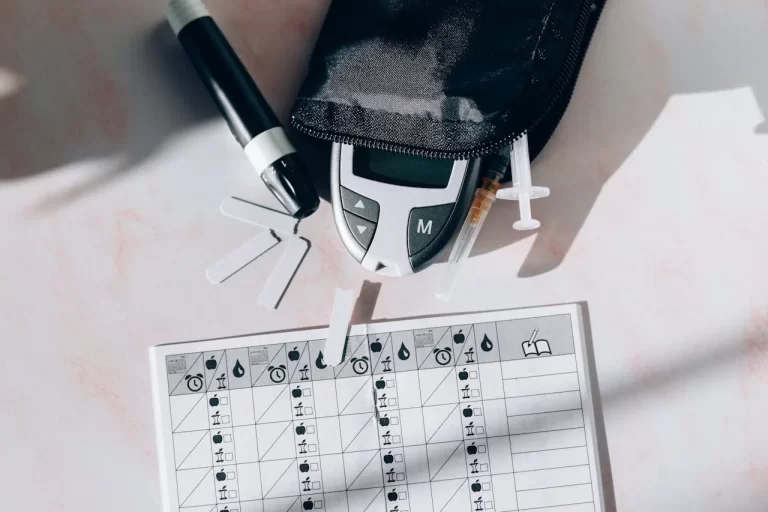
Todos los días, millones de personas en todo el mundo dependen de la insulina para mantener bajo control su azúcar en sangre. Durante décadas, el método de entrega se mantuvo prácticamente sin cambios: frascos, jeringas y la rutina diaria de autoinyección. Pero ahora, la ingeniería y la salud digital están revolucionando el modo en que se suministra la insulina: desde bombas que "piensan" hasta bolígrafos que registran automáticamente cada dosis. Estas innovaciones están convirtiendo la terapia insulínica en un sistema dinámico y en tiempo real que reduce los errores y el estrés diario.
Por qué los mejores métodos de administración de insulina son críticos para la salud a largo plazo
Para aquellos que manejan problemas de regulación del azúcar en sangre, la terapia siempre ha sido un acto de equilibrio: demasiada poca insulina y picos de azúcar en sangre; pueden ocurrir demasiadas y peligrosas gotas. Las jeringas y frascos tradicionales, aunque eficaces, a menudo dejaban a los usuarios jugando con el tiempo, las dosis y el estigma público.
Pero lo que está en juego va más allá de los inconvenientes diarios. El azúcar en la sangre mal controlado puede llevar a daño nervioso, problemas renales, pérdida de visión y mayores riesgos cardiovasculares. La mejora de la tecnología de administración de insulina no es sólo cuestión de conveniencia, sino que tiene el potencial de mejorar profundamente los resultados de salud.
Las luchas ocultas de las inyecciones tradicionales de insulina
Incluso hoy en día, muchos usuarios dependen de las inyecciones manuales. Estos métodos vienen con puntos dolorosos:
- Suposiciones en la dosificación: Estimar la ingesta de carbohidratos o los niveles de actividad puede llevar a errores.
- Alteración de la vida cotidiana: Llevar jeringas y frascos añade estrés, especialmente en público o en el trabajo.
- Impacto emocional: Muchos usuarios reportan frustración y cansancio por la constante vigilancia.
Estas cargas hacen un fuerte argumento a favor de sistemas de entrega más inteligentes y menos intrusivos.
Cómo funcionan las nuevas tecnologías de la insulina: desde bombas hasta bolígrafos inteligentes
La insulina, una hormona que regula cómo el cuerpo utiliza la glucosa, debe administrarse con precisión. A diferencia de las píldoras, que el sistema digestivo descompone, la insulina requiere una vía de entrega que evita el intestino. Por eso las inyecciones se convirtieron en el patrón oro hace más de un siglo.
Sin embargo, las innovaciones recientes están aprovechando la tecnología portátil, los sensores y hasta la nanociencia para repensar este modelo. Estos son los pioneros:
- Bombas avanzadas de circuito cerrado
Estos sistemas combinan monitores de glucosa continua (CGM) con bombas de insulina controladas por algoritmos. Los sistemas aprobados por la FDA, como el Omnipod 5 y el MiniMed 780G de Medtronic, han demostrado mejoras significativas en la A1C y reducción de la hipoglucemia. El páncreas iLet Bionic simplifica aún más la terapia adaptando la dosificación usando solo el peso corporal. - Bolígrafos inteligentes de insulina
Los bolígrafos y las tapas conectados se sincronizan con las aplicaciones de teléfonos inteligentes, registrando dosis y ofreciendo recordatorios. Los estudios confirman beneficios como un mejor control de la glucosa, una mayor satisfacción y una potencial relación costo-eficacia. - Innovaciones no invasivas y portátiles
La investigación sobre cápsulas orales, polvos inhalables, bombas implantables y parches de micronedulos está en curso. Aunque prometedora, la mayoría sigue en desarrollo o bajo revisión regulatoria.
Beneficios cotidianos: cómo la moderna administración de insulina mejora la calidad de vida
La evidencia muestra que los sistemas de bucle cerrado y las plumas inteligentes:
- Aumentar el tiempo en el rango y reducir los extremos de azúcar en sangre.
- Niveles más bajos de A1C, un indicador clave del control a largo plazo.
- Reducir la carga mental, porque los usuarios ya no necesitan calcular cada dosis individual o adivinar constantemente las correcciones.
- Permite una mayor flexibilidad con las comidas, el ejercicio y los viajes, ya que el sistema se ajusta automáticamente en muchos casos.
Costo, capacitación y acceso: barreras que todavía se interponen en el camino
A pesar de su promesa, estos avances siguen siendo inalcanzables para muchos. Los costos de los sistemas automatizados pueden llegar a varios miles de dólares por año, lo que crea disparidades en el acceso. Los bolígrafos inteligentes pueden ofrecer una opción más asequible, pero un uso efectivo requiere educación y comodidad con herramientas digitales. Las brechas de equidad siguen siendo particularmente agudas entre los entornos urbanos y rurales.
El futuro de la administración de insulina: no invasiva, automatizada y Personalizado
La próxima frontera son los sistemas totalmente autónomos. La investigación de algoritmos adaptativos impulsados por inteligencia artificial ha demostrado reducciones en el riesgo glucémico y los eventos hipoglucémicos. Los sistemas orales e implantables siguen siendo un objetivo a largo plazo, pero se está dando impulso hacia terapias que eliminan por completo la necesidad de una participación activa del usuario.
Palabra final: redefinir la vida con problemas de regulación del azúcar en sangre
Las innovaciones modernas en la administración de insulina van más allá de los aparatos: están transformando la forma en que la gente vive y maneja los problemas de regulación del azúcar en sangre. Desde bombas receptivas hasta bolígrafos conectados, estas herramientas reducen las cargas diarias mientras prometen resultados de salud más sólidos. Si bien siguen existiendo desafíos de costo y acceso, la tendencia hacia la automatización, precisión y dignidad en la terapia es inconfundible. Con cada avance, la terapia insulínica se acerca más a convertirse en un sistema de apoyo invisible pero poderoso.
Tus siguientes pasos:
Si tiene curiosidad, hable con su proveedor de atención médica sobre si un bolígrafo inteligente o una bomba automática podrían ser adecuados para usted - y esté atento a las nuevas tecnologías no invasivas que pueden estar disponibles pronto.
Este artículo de blog tiene como objetivo ser informativo y no debe reemplazar el asesoramiento profesional en salud. Consulte siempre con un profesional de la salud para obtener asesoramiento personalizado.
Suscríbase gratis para obtener artículos de salud más perspicaces adaptados a sus necesidades.
Fuentes
- Renard E, Weinstock RS, Aleppo G, Bode BW, Brown SA, Castorino K, et al. Efficacy and Safety of a Tubeless AID System Compared With Pump Therapy With CGM in the Treatment of Type 1 Diabetes in Adults With Suboptimal Glycemia: A Randomized, Parallel-Group Clinical Trial. Diabetes Care. 2024 Oct 18;
- Criego A, Carlson AL, Brown S, Forlenza GP, Bode B, Levy C, et al. Two Years with a Tubeless Automated Insulin Delivery System: A Single-Arm Multicenter Trial in Children, Adolescents, and Adults with Type 1 Diabetes. Diabetes Technology & Therapeutics. 2023 Nov 30;
- Liu JF, GhavamiNejad A, Lu B, Mirzaie S, Samarikhalaj M, Giacca A, et al. “Smart” Matrix Microneedle Patch Made of Self‐Crosslinkable and Multifunctional Polymers for Delivering Insulin On‐Demand. Advanced Science. 2023 Sep 18;10(30).
- Bheemisetty B, Salwa, yarlagadda D lakshman, Gurram P, kumar L, Shenoy RR, et al. Dissolving microneedle patch incorporated with insulin nanoparticles for the management of Type-I Diabetes Mellitus: Formulation development and in vivo monitoring. Advanced Pharmaceutical Bulletin. 2025 Jun 10;15(2):359–70.


 Spanish
  English
  German
  French
  Swedish
  Italian
Hope this makes life easier for diabetics.
Sounds like a big step for folks with diabetes
I stopped drinking coffee after 2pm last month and my sleep has improved a lot. Feels good to see science backing it up.