
Por qué rastrear tu variabilidad de la frecuencia cardíaca puede ser el hábito de salud más importante de la próxima década

Pero, ¿qué representa realmente la HRV? ¿Y por qué cambia el ritmo cardíaco en respuesta al estrés y la recuperación?
La respuesta está en el sistema nervioso autónomo.
La variabilidad de la frecuencia cardíaca (VFC) refleja el equilibrio entre la rama simpática ('lucha o huida') y la rama parasimpática ('descanso y digestión').
Cuando predomina el estrés, la HRV disminuye. Cuando se activan los mecanismos de recuperación, la HRV aumenta. Esta es la razón por la que los investigadores consideran a la HRV un marcador no invasivo de la salud del sistema nervioso.
Por qué tu puntuación de estrés importa más de lo que crees
Ya haces un seguimiento de tus pasos. Tal vez tu sueño. Algunas personas incluso registran las calorías o el azúcar en la sangre.
Pero hay una métrica que predice discretamente tu capacidad para manejar el estrés, recuperarte y mantenerte saludable: Variabilidad de la frecuencia cardíaca (VFC).
HRV mide las pequeñas variaciones en el tiempo entre cada latido del corazón. Cuanto más alto sea tu HRV, más flexible y resiliente será tu cuerpo. Un HRV bajo, por otro lado, significa que tu sistema está atascado en "alto inactividad"-tu respuesta al estrés nunca se apaga realmente.
En pocas palabras:
- Alto HRV Tu cuerpo puede alternar suavemente entre el estrés y la recuperación.
- Baja VFC Tu cuerpo se mantiene alerta, incluso cuando intentas descansar.
Decenas de estudios vinculan un mayor VHC a un mejor sueño, una inmunidad más fuerte, un enfoque más agudo e incluso una vida útil más larga. Por eso los atletas, profesionales de la salud y ahora consumidores cotidianos preocupados por su salud lo llaman el "nuevo índice de estrés".
Pero aquí está el problema: la mayoría de las personas no pueden hacer que su HRV ceda.
Por qué HRV se atasca
Probablemente hayas probado los sospechosos habituales: acostarte antes, cortar la cafeína, meditar o ajustar los entrenamientos. Y, sin embargo, el gráfico de HRV en tu dispositivo portátil apenas se mueve.
Eso es porque HRV no se trata solo de ajustes en el estilo de vida. En su esencia, HRV refleja la salud de un sistema: el nervio neumogástrico.

HRV: Más que un número - Una ventana a la salud del sistema nervioso
HRV no es solo un truco portátil. Es uno de los indicadores no invasivos más potentes del sistema nervioso autónomo: el equilibrio entre "lucha o huida" (simpático) y "descanso y digestión" (parasimpático).
- Un alto HRV indica adaptabilidad: su sistema puede cambiar suavemente entre actividad y recuperación.
- Un VFC bajo revela que tu respuesta al estrés es dominante, manteniendo tu cuerpo bloqueado en modo de alerta incluso cuando quieres descansar.
Si bien los dispositivos portátiles ahora hacen que la HRV sea fácil de rastrear, es importante recordar que esta medición puede fluctuar diariamente y está influenciada por factores como la hidratación, el sueño e incluso el momento de las comidas. Una sola lectura baja no necesariamente significa mala salud; los patrones consistentes importan más.
Lo que muestra la ciencia
Décadas de investigación muestran que:
- La reducción del VFC se relaciona con una enfermedad crónica. La insuficiencia cardíaca, los estados depresivos, los pensamientos ansiosos y los trastornos de estrés muestran VFC suprimida.
- El retiro parasimpático y la hiperactividad simpática son los patrones comunes detrás del bajo HRV.
- Mejorar la HRV es posible. Las intervenciones basadas en la evidencia -como el ejercicio aeróbico, la biorretroalimentación de respiración lenta y la estimulación del nervio vago- aumentan de manera confiable la HRV.
Por qué se está estudiando la estimulación nerviosa vaga
Entre las diversas intervenciones que se ha demostrado que influyen en la HRV -incluidas la actividad aeróbica, el biofeedback de respiración lenta y la meditación- los investigadores también han examinado el papel de Estimulación del nervio vago transcutáneo (tVNS).
En investigaciones científicas, el tVNS de bajo nivel aplicado al oído se ha asociado con:
- Mejoras en la función autonómica cardíaca
- Modulación de la actividad de las citocinas inflamatorias
- Reportaron mejoras en la calidad de vida entre individuos con desequilibrio autónomo
Si bien el campo todavía se está desarrollando, estos hallazgos sugieren que la estimulación del nervio vago puede representar un complemento prometedor para apoyar el equilibrio autonómico y, por extensión, la HRV.
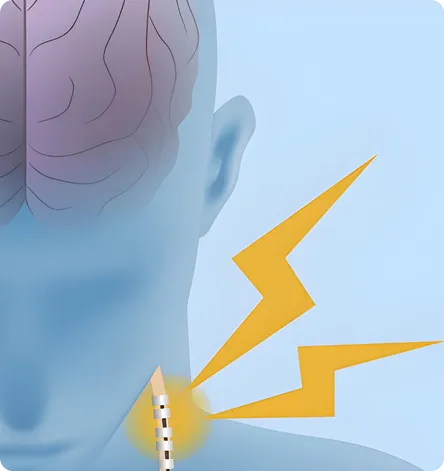
Conoce el nervio vago: El regulador central de tu cuerpo
El nervio vago es la principal vía parasimpática del sistema nervioso autónomo. Conecta el tronco encefálico con el corazón, los pulmones, el tracto gastrointestinal y otros órganos, transmitiendo señales que ayudan a mantener la estabilidad interna.
Cuando la actividad vagal es fuerte, el cuerpo puede pasar suavemente al modo de recuperación: el ritmo cardíaco se desacelera, la respiración se vuelve más profunda, la digestión avanza normalmente y los procesos inflamatorios se moderan.
Cuando la actividad vagal se debilita, predominan las señales simpáticas. El resultado es una excitación fisiológica persistente: ritmo cardíaco elevado, respiración superficial, digestión interrumpida y tono inflamatorio intensificado.
Aquí es donde el vínculo con HRV se hace evidente:
- HRV es un reflejo mensurable de la actividad vagal.
- Una HRV más alta indica una fuerte regulación vagal y la capacidad de transicionar flexiblemente entre el estrés y la recuperación.
- El HRV más bajo sugiere un tono vagal reducido, dejando al sistema "atascado" en la dominancia del estrés.
Esta conexión es la razón por la cual los investigadores consideran cada vez más que el HRV no sólo es un marcador de salud cardiovascular, sino también un indicador no invasivo de la función del nervio vago.
Por qué la vida moderna debilita el nervio vago
El estrés crónico, el sueño insuficiente, la exposición a pantallas nocturnas, el sobreentrenamiento y la inflamación persistente después de una enfermedad pueden disminuir la señalización del nervio vago.
El resultado es familiar para muchos:
- HRV se mantiene obstinadamente bajo
- La recuperación se siente incompleta
- Los síntomas relacionados con el estrés se acumulan: pensamientos ansiosos, niebla mental, malestar digestivo, fatiga
No es que los hábitos de vida no importen. Es que, sin una fuerte señal vagal, el cuerpo nunca recibe completamente el mensaje de "bajar" a la recuperación.

¿Puedes fortalecer activamente el nervio vago?
La idea de "entrenar" el nervio vago no es nueva. La gente ha experimentado con métodos como:
- Ejercicios de respiración (la respiración lenta y acelerada puede mejorar transitoriamente la actividad vagal)
- Meditación y la atención plena (demostrado en estudios para aumentar el HRV en algunos individuos)
- Inmersión o exposición en agua fría (puede desencadenar brevemente respuestas vagales)
Estas técnicas son valiosas, pero sus efectos suelen ser incompatible DNA corta duración, dependiendo fuertemente de la calidad de la práctica y la respuesta individual.
Por qué se está estudiando la estimulación directa del nervio vago
Los investigadores han investigado un enfoque más específico: Estimulación del nervio vago (ENV).
- El VNS quirúrgico se ha utilizado en medicina clínica durante décadas, pero implica una implantación invasiva.
- Hace poco, VNS transcutáneo no invasivo (tVNS) - aplicado en la oreja - ha surgido como una forma de estimular las vías vagales de manera segura y reproducible.
Este método evita los riesgos de las técnicas de hágalo usted mismo que apuntan a áreas cercanas al cuello o el pecho, donde se encuentran importantes arterias y centros de regulación cardíaca. En cambio, el tVNS auricular se centra en el Rama auricular del nervio vago, que es accesible y bien tolerado.
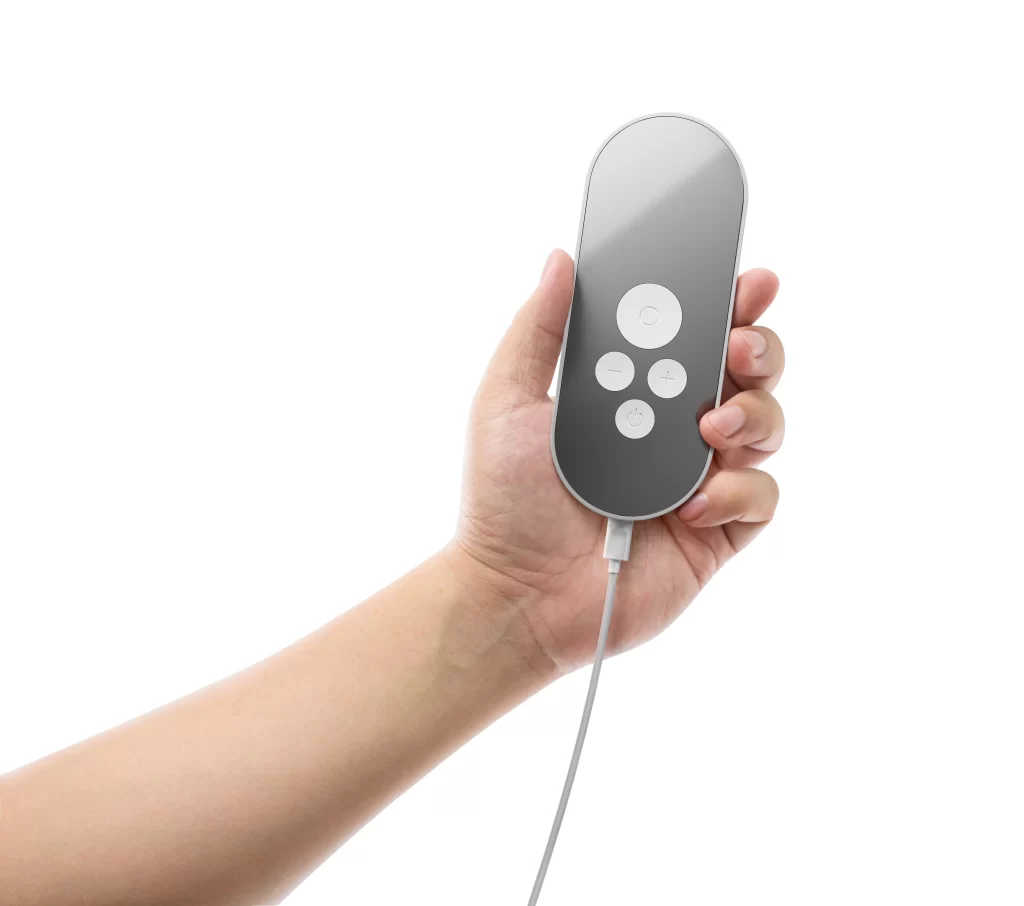
Una opción basada en la evidencia para el uso diario
Entre los enfoques tVNS disponibles, los dispositivos desarrollados para entornos clínicos y domésticos están empezando a cerrar la brecha entre la investigación y la aplicación cotidiana.
Nurosym™ es uno de estos dispositivos con marca CE, diseñado para proporcionar una estimulación precisa y de bajo nivel al nervio vago auricular a través de un cómodo clip de oído.
- Durante el uso (30-60 minutos): la mayoría de los usuarios describen un leve hormigueo y una sensación de calma.
- Después de semanas de uso regular: Las mediciones de HRV a menudo parecen más flexibles, con sueño y energía diaria reportados como más estables.
- A largo plazo: Una estimulación constante puede ayudar a fortalecer el tono vagal y mejorar la resiliencia al estrés.
A diferencia de los recordatorios para respirar o las aplicaciones que sugieren técnicas de relajación, Nurosym activa directamente la vía neuronal que regula la recuperación.
Respaldado por la ciencia, confiado por los clínicos
Nurosym no es un aparato, sino un dispositivo desarrollado con las principales instituciones de investigación.
- Probado en más de 50 estudios científicos sobre síntomas relacionados con el desequilibrio autónomo (fatiga, pensamientos ansiosos, problemas de sueño, dolor crónico)
- No invasivo y riesgo no significativo designado por la FDA
- Recomendado por profesionales de la salud y utilizado en clínicas de todo el mundo
En los estudios, los usuarios informaron mejoras significativas en la fatiga, el estado de ánimo y la HRV después del uso constante.
Por una fracción del costo de los estimuladores del nervio vago implantables (que pueden superar los 10.000 dólares), Nurosym ofrece una manera segura y en casa de seguir el mismo camino - sin medicación ni cirugía.
Cómo usarlo (sin fricción)
- Clip el electrodo en tu oreja (tragus).
- Presione encender. Ajusta la intensidad hasta que sientas un ligero hormigueo relajante.
- Continuar. Lea, planifique su día o vea la televisión mientras Nurosym hace su trabajo.
- Repítelo diariamente. La mayoría de los usuarios comienzan con una sesión de 30 minutos; algunos agregan una segunda por la noche.
Sin geles. Sin rutinas complicadas. Solo conéctate, presiona Inicio y sigue con tu día.
Lo que la gente nota
- Línea de base más tranquila: una sensación de tranquilidad durante y después del uso
- Sueño profundo: las noches se sienten más restauradoras, las mañanas menos como una pared
- Energía estable: menos picos y caídas a lo largo del día
- Mejores entrenamientos y recuperación: el entrenamiento se siente más suave, no más pesado
- Más resiliencia: los factores de estrés diarios se sienten menos abrumadores
Por qué HRV es la prueba
A diferencia de los hábitos subjetivos de bienestar, la HRV te da datos. Con Nurosym, no tienes que adivinar si tu sistema nervioso está mejorando - tu dispositivo portátil puede mostrártelo.
Es por eso que los optimizadores de salud, atletas y médicos están llamando a Nurosym el primer dispositivo de bienestar mensurable.
- Los rastreadores del sueño muestran horas, no calidad.
- Los contadores de pasos miden el movimiento, no la recuperación.
- Pero la HRV revela lo bien que se adapta tu sistema: el fundamento de la resiliencia.
Cuando tu HRV empieza a subir, es la prueba de que tu nervio vago (y tu capacidad de recuperación) son más fuertes.

Seguridad y Confianza
- Validado científicamente: más de 50 estudios sobre la estimulación del nervio vago.
- Certificación de grado médico: Seguro designado por la FDA.
- Millones de sesiones seguras realizadas en todo el mundo sin eventos adversos graves.
- Profesionales de la salud recomendados: más de 1.000 profesionales de la salud respaldan a Nurosym.
Y cada dispositivo viene con un 30 días de fianza de devolución de dinero. Si no notas mejoras, lo devuelves - sin hacer preguntas.
Imaginar la diferencia
Picture your day with a stronger vagus nerve and higher HRV:
- You wake without bargaining with the alarm.
- El café es una elección, no una muleta.
- Meetings don’t spike your pulse.
- Afternoons feel steady instead of foggy.
- Evenings are calmer, digestion smoother, and sleep deeper.
Your wearable confirms what you feel: your stress score — HRV — is climbing.
Siguiente Paso
Most people don’t realise how much better they could feel — until they strengthen the system that governs stress and recovery.
Nurosym makes it possible to do that at home, safely, and measurably.
- Pick a session time. Morning or evening both work.
- Clip in, press start, carry on.
- Watch your HRV improve.
Your nervous system is too important to leave stuck in overdrive. Support it daily, and let your body recover the way it was designed to.
Vea cómo Nurosym ayuda a restaurar el equilibrio del sistema nervioso
Diseñado y probado científicamente en Europa, Nurosym™ proporciona una estimulación suave y no invasiva del nervio vago, ayudando al cuerpo a recuperar la calma, mejorar el equilibrio autónomo y aliviar los síntomas asociados con el estrés crónico y la desregulación del sistema nervioso.
Miles de usuarios y múltiples estudios universitarios sugieren que este simple dispositivo puede ayudar al cuerpo a autorregularse más eficazmente, lo que apoya un mejor sueño, una energía más estable y una menor sensibilidad al dolor.
Este artículo de blog tiene como objetivo ser informativo y no debe reemplazar el asesoramiento profesional en salud. Consulte siempre con un profesional de la salud para obtener asesoramiento personalizado.
Referencias
- Tiwari R, Kumar R, Malik S, Raj T, Kumar P. Analysis of Heart Rate Variability and Implication of Different Factors on Heart Rate Variability. Current Cardiology Reviews [Internet]. 2021 Oct 22;17(5). Available from: https://pmc.ncbi.nlm.nih.gov/articles/PMC8950456/
- Domuschiev I. Does heart rate variability (HRV) or heart rate (HR) have greater prognostic value? 2023; Available from: https://www.researchgate.net/profile/Ivan-Domuschiev/publication/374331806_Does_heart_rate_variability_HRV_or_heart_rate_HR_have_greater_prognostic_value/links/65186f8fb0df2f20a2fee074/Does-heart-rate-variability-HRV-or-heart-rate-HR-have-greater-prognostic-value.pdf?_tp=eyJjb250ZXh0Ijp7ImZpcnN0UGFnZSI6InB1YmxpY2F0aW9uIiwicGFnZSI6InB1YmxpY2F0aW9uIn19
- Capilupi MJ, Kerath SM, Becker LB. Vagus Nerve Stimulation and the Cardiovascular System. Cold Spring Harbor Perspectives in Medicine [Internet]. 2020 Feb 1;10(2):a034173. Available from: http://perspectivesinmedicine.cshlp.org/content/10/2/a034173.short
- Wang Y, Li SY, Wang D, Wu MZ, He JK, Zhang JL, et al. Transcutaneous Auricular Vagus Nerve Stimulation: From Concept to Application. Neuroscience Bulletin. 2020 Dec 23;


 Spanish
  English
  German
  French
  Swedish
The connection between HRV and the nervous system is really eye-opening. It makes stress feel less vague.
This puts words to why rest sometimes doesn’t feel restful. HRV feels like the missing piece.