
Este dispositivo de neuromodulación científicamente estudiado estimula suavemente el nervio vago para calmar el intestino, mejorar la digestión y apoyar un alivio duradero del hinchazón, el malestar y las recaídas impredecibles.

Vivir con el intestino irritable se siente como una batalla diaria
afecta a millones de personas en todo el mundo. El síntoma se caracteriza por hinchazón, dolor abdominal, deposiciones irregulares y cansancio. Para muchos, se convierte en algo más que un trastorno digestivo: da forma a las rutinas diarias y limita la calidad de vida.
Las comidas pueden convertirse en una fuente de preocupación. A menudo se hacen (o evitan) planes sociales alrededor de los síntomas. Incluso en días relativamente buenos, el intestino puede sentirse frágil e impredecible.
Si bien los medicamentos y suplementos pueden aliviar temporalmente ciertos síntomas, a menudo no abordan una pieza importante del rompecabezas: el papel de la sistema nervioso en la regulación de la función intestinal.
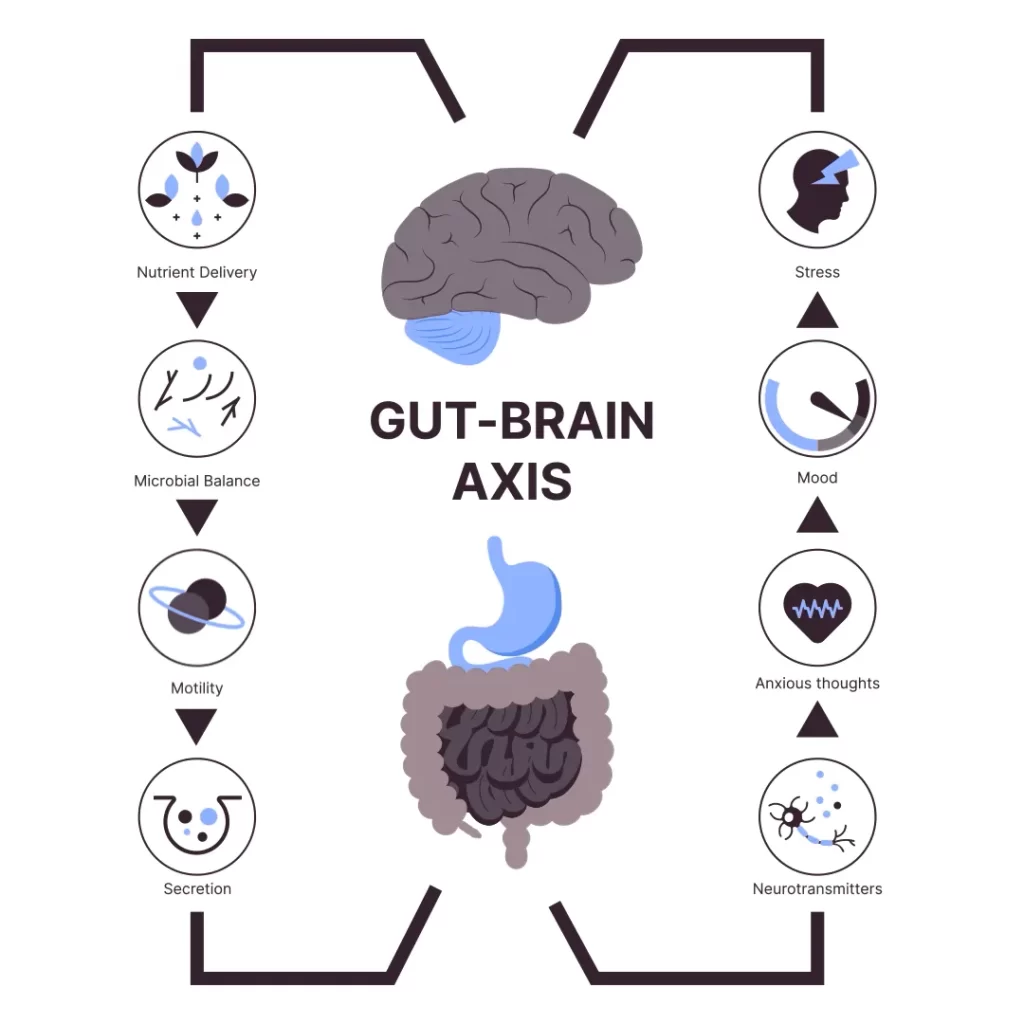
La ignorada conexión entre el intestino y el cerebro
El sistema digestivo está controlado no solo por los alimentos que comemos, sino también por las señales del sistema nervioso autónomo. En el centro de esta comunicación se encuentra el nervio vago - un nervio craneal largo que conecta el tronco encefálico con casi todos los órganos digestivos.
La investigación ha demostrado que la actividad del nervio vago ayuda a regular:
- Función estomacal - coordinar el ritmo del vaciado gástrico
- Motilidad intestinal - asegurar que los alimentos avancen, no se estanquen y fermenten
- Secreciones pancreáticas e hepáticas - liberando enzimas y bilis para la absorción de nutrientes
- Equilibrio inmune intestinal - mantener un ambiente estable para el microbioma
Cuando se reduce la actividad vagal, se interrumpe la cadena de regulación: la motilidad se desacelera, la inflamación aumenta y el microbioma se vuelve inestable. Esto puede ayudar a explicar por qué incluso las dietas saludables y los probióticos a veces no logran un alivio duradero para los usuarios del intestino irritable.
Por qué los "Trucos Intestinales" convencionales suelen ser insuficientes
Dietas de eliminación, probióticos, cápsulas de menta, aplicaciones para la meditación, incluso regímenes cortos de antibióticos: muchas personas los han probado todos.
Si bien algunas estrategias proporcionan alivio temporal, la mayoría no abordan directamente el control neurogénico de digestión.
El problema subyacente no siempre es lo que comemos, sino cómo nuestro sistema nervioso maneja el proceso digestivo. Sin restablecer el equilibrio en la señalización del nervio vago, las mejoras a menudo permanecen incompletas.
Investigación emergente: Estimulación del nervio vago no invasiva (tVNS)
Históricamente, la estimulación del nervio vago solo estaba disponible a través de implantes quirúrgicos -invasivos y costosos, pero efectivos en ciertos contextos médicos.
Hoy, los avances en tecnología han introducido Estimulación del nervio vago transcutáneo (tVNS): un método no invasivo basado en el oído para estimular las vías vagales.
tVNS ha sido estudiado como una posible manera de:
- Apoyar la motilidad gastrointestinal normal
- Reducir la hipersensibilidad en el intestino
- Influir en las vías de señalización inflamatoria
- Mejorar el equilibrio general del sistema nervioso autónomo
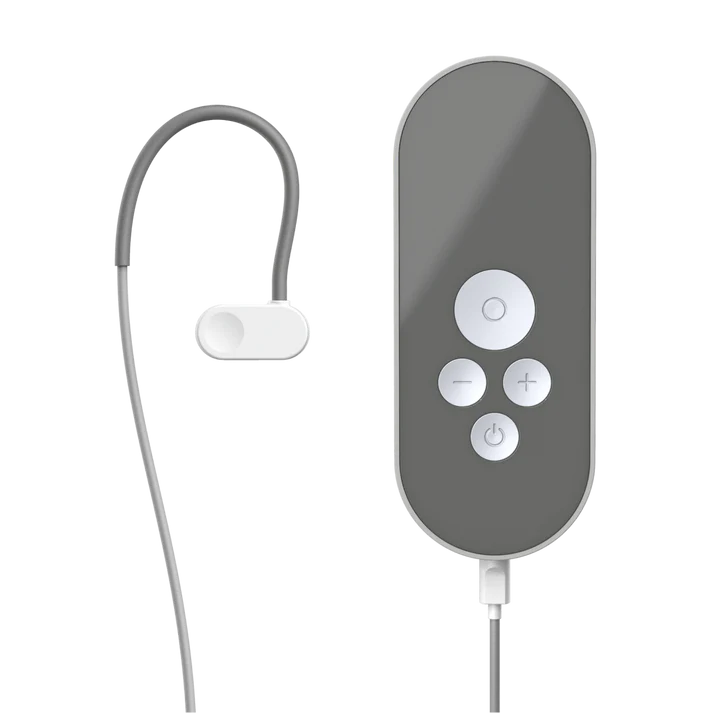
Dispositivos como Nurosym representa esta nueva clase de herramientas no invasivas. Nurosym tiene la marca CE en la Unión Europea y se ha utilizado en investigación científica. Proporciona una estimulación suave en la rama auricular del nervio vago, un sitio seguro y accesible en el oído.
A diferencia de los dispositivos TENS que apuntan al músculo, los dispositivos tVNS están específicamente diseñados para entregar microcorrientes adecuadas para la modulación neuronal en lugar de la contracción muscular.

Beneficios reportados para la función intestinal
Los estudios preliminares y los resultados reportados por los usuarios sugieren que el uso regular de tVNS puede estar asociado con:
- Reducción de la hinchazón y los cólicos gracias a una mejor motilidad
- Patrones intestinales más predecibles
- Menos comidas circundantes a través de una mejor señalización intestino-cerebro
- Niveles más bajos de marcadores de inflamación intestinal
- Mejor energía general y claridad mental a medida que la función intestinal se estabiliza
Si bien todavía se están realizando estudios científicos a largo plazo, estos hallazgos destacan el potencial papel de la tVNS como herramienta complementaria para las personas que viven con ella.
Perspectivas de los usuarios
"Definitivamente puedo recomendar este producto. Cómpralo."
– Vegard
"Puedo decir honestamente que en tres días, la náusea comenzó a disminuir y todo lo demás siguió desde entonces y he estado usándolo durante unos seis meses ahora y me siento como una persona diferente."
- Rohana, que sufrió durante 30 años
"Es simplemente increíble. Y realmente, lo único que ha cambiado es empezar a usar el Nurosym. Así que sí, estoy realmente agradecido por los cambios que parecen haber ocurrido desde que comencé a usar Nurosym. Así que sí, muchas gracias a Nurosym. Ha habido grandes mejoras en mi vida".
– Alice
Tales relatos siguen siendo anecdóticos, pero se alinean con los mecanismos fisiológicos que actualmente se estudian en la investigación científica.
Consideraciones científicas y regulatorias
- Investigado en más de 50 estudios relacionado con el equilibrio autónomo, el cansancio y los síntomas relacionados con el intestino
- Generalmente bien tolerado: la mayoría de los usuarios describen solo una leve sensación de hormigueo en el lugar de la oreja
- Investigación en curso en la fatiga posviral y la salud gastrointestinal
Acceso y próximos pasos
En la actualidad, Nurosym está disponible para uso doméstico bajo un programa de estudio estructurado. Los usuarios pueden explorar el dispositivo durante 30 días con una garantía de devolución del dinero si no se observa ningún beneficio.
Este modelo proporciona a los individuos una forma de evaluar si el tVNS apoya su salud digestiva, mientras que estudios científicos más amplios continúan aclarando su papel en el manejo
Preguntas frecuentes
¿Es esta una cura para el intestino irritable?
No. El intestino irritable es multifactorial y complejo. tVNS se está estudiando como una herramienta de apoyo que puede ayudar a manejar los síntomas en algunas personas.
¿Cómo se siente una sesión?
La mayoría de las personas describen una ligera sensación de hormigueo en el oído. La intensidad es ajustable para mayor comodidad.
¿Cuánto tiempo antes de que se puedan notar los cambios?
Algunos usuarios reportan diferencias dentro de las semanas, aunque los efectos más consistentes se observan generalmente después de 4-8 semanas de uso regular.
¿Y si no ayuda?
El modelo de estudio actual incluye una garantía de devolución del dinero de 30 días, lo que permite a las personas dejar de trabajar sin riesgo.
Lo que debes recordar
Este síntoma no es sólo un trastorno del intestino, sino que refleja un desequilibrio en la conexión más amplia entre el intestino y el cerebro.
Al apuntar directamente esta vía a través de estimulación no invasiva del nervio vago, los dispositivos como Nurosym representan un enfoque emergente basado en la evidencia que podría complementar las estrategias convencionales de manejo del intestino irritable.
Vea cómo Nurosym ayuda a restaurar el equilibrio del sistema nervioso
Diseñado y científicamente probado en Europa, Nurosym™ proporciona una estimulación suave y no invasiva del nervio vago, ayudando al cuerpo a recuperar la calma, mejorar el equilibrio autónomo y aliviar los síntomas asociados con el estrés crónico y la desregulación del sistema nervioso.
Miles de usuarios y múltiples estudios universitarios sugieren que este simple dispositivo puede ayudar al cuerpo a autorregularse más eficazmente, lo que apoya un mejor sueño, una energía más estable y una menor sensibilidad al dolor.
Atención: Esta página es solo para fines educativos. No proporciona asesoramiento médico. Consulte siempre a un profesional de la salud cualificado antes de iniciar nuevas terapias.
Compartir a través de:



 Spanish
  English
  German
  French
  Swedish
I’ve tried changing my diet so many times — this finally explains why food wasn’t the whole story.
Reading this made me realise my gut issues might be more about stress wiring than bad meals.