
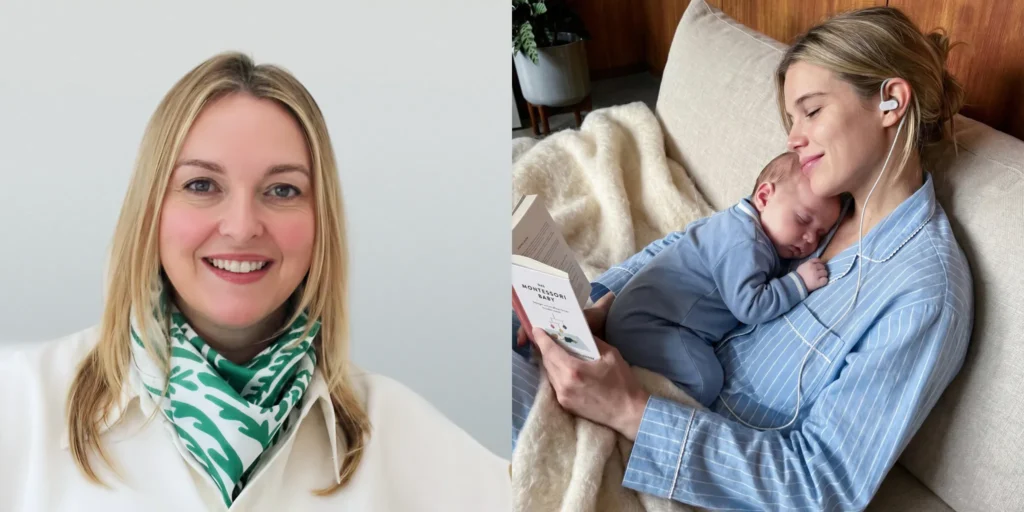
Over the years, I’ve worked with people struggling with anxious thoughts, burnout, panic attacks, sleep problems, emotional overwhelm, and that constant feeling of being mentally “on” – often during periods where life already felt mentally overloaded.
But with new parents, I kept noticing one pattern that felt different.
They were exhausted – yet somehow still alert.
As if their body never fully got the message that the stressful part was over.
The baby would finally fall asleep. The house would finally become quiet. And instead of relaxing, their mind would immediately start scanning again.
Did I prepare everything for tomorrow?
Was that a sound from the monitor?
Should I check one more time?
Some parents described hearing phantom crying in the shower. Others told me they woke up before the baby did, already tense, almost as if their système nerveux had spent the entire night waiting for the next interruption.
One mother said something to me years ago that I still think about often:
“It felt like my brain forgot how to land.”
And honestly, that sentence changed the way I started looking at stress in early parenthood.
Because most of these parents were not unaware of stress.
They already knew the advice. Sleep more. Meditate. Breathe deeply. Journal. Reduce screen time. Take time for yourself.
But the real issue was not a lack of awareness.
It was that most stress advice quietly asks overwhelmed parents for something they already have almost none of:
time, space, and uninterrupted mental capacity.
The Hidden Problem With “Just Relax” Advice

Most overwhelmed parents I speak to are genuinely trying to take care of themselves.
Many are functioning well on the surface. But underneath, things often feel heavy, overstimulating, and quietly unsustainable.
They download the meditation app. Save the breathing exercise. Promise themselves they will go to bed earlier tonight. Buy the journal they never quite get around to opening.
And to be fair, many of these practices genuinely can help.
But early parenthood rarely gives people the kind of calm, uninterrupted mental space these routines often need to realistically become consistent habits.
There is usually something still running in the background. Bottles in the sink. Laundry waiting to be folded. Food that still needs cooking. A baby monitor you are still half-listening to even while trying to relax.
And after enough time living inside that cycle, even “self-care” can start feeling like another thing you are somehow failing to keep up with.
That is the part I think many people miss.
The issue is not that these parents do not care about recovery. It is that many forms of stress support quietly depend on conditions modern parenthood often removes.
And when someone is already overwhelmed, being told to create the “perfect” recovery routine can sometimes create even more pressure instead of less.
What I slowly realised was that most modern stress advice is still heavily effort-based.
It asks overwhelmed people to actively calm themselves down through focus, consistency, discipline, routines, emotional energy, and uninterrupted time.
But many parents I worked with were already operating at the edge of their mental capacity before those recovery practices even began.
And that created a frustrating cycle: the more overwhelmed someone became, the harder it often felt to consistently maintain the very habits supposedly designed to help them recover.
That was the point where I started wondering whether the problem was not the parents – but the way most stress support is designed.
Around that time, I also started paying closer attention to newer forms of stimulation du nerf vague designed to work alongside real life, rather than requiring people to fully step away from it first.
Because for many parents stuck in constant alert mode, the issue was not a lack of effort. It was finding support that still felt realistic inside an already overloaded life.
Why So Many Exhausted Parents Feel Tired All Day… But Still “Wired” At Night
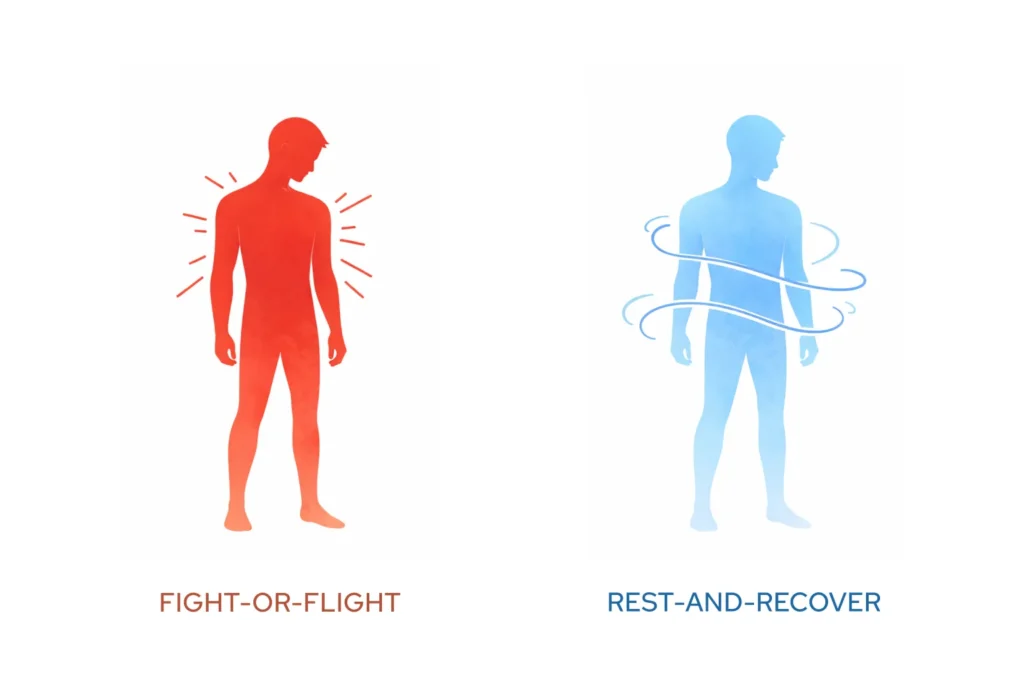
Most people have heard of “fight-or-flight.”
But what many parents carrying constant mental load do not realise is that the système nerveux can slowly become so used to functioning in “alert mode” that eventually it stops fully switching off – even when the stressful moment itself has technically ended.
Modern stress rarely looks dramatic anymore – especially during early parenthood.
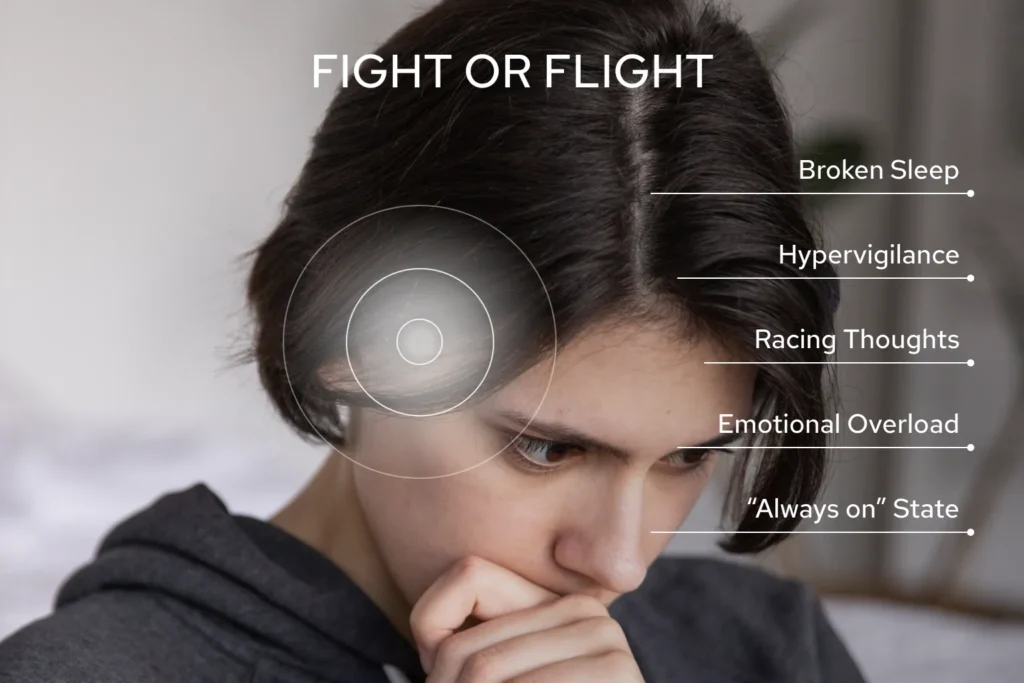
It looks like broken sleep, constant interruptions, emotional overload, mental load, and never fully feeling off duty for long enough to properly recover.
And because many of those pressures never fully “end,” the body can slowly adapt to staying slightly braced all the time – even during quiet moments.
That can show up as racing thoughts once the house becomes quiet, shallow sleep, waking fully alert at 3AM, jaw tension, irritability, or feeling exhausted while the mind still feels wide awake.
One parent described it to me perfectly:
“My body was tired. But my brain still felt like it was on shift.”
And that was the point where I became especially interested in one overlooked pathway connected to the body’s ability to calm down again.
The “Calm Pathway” That Many Parents Stuck In Constant Alert Mode Never Hear About
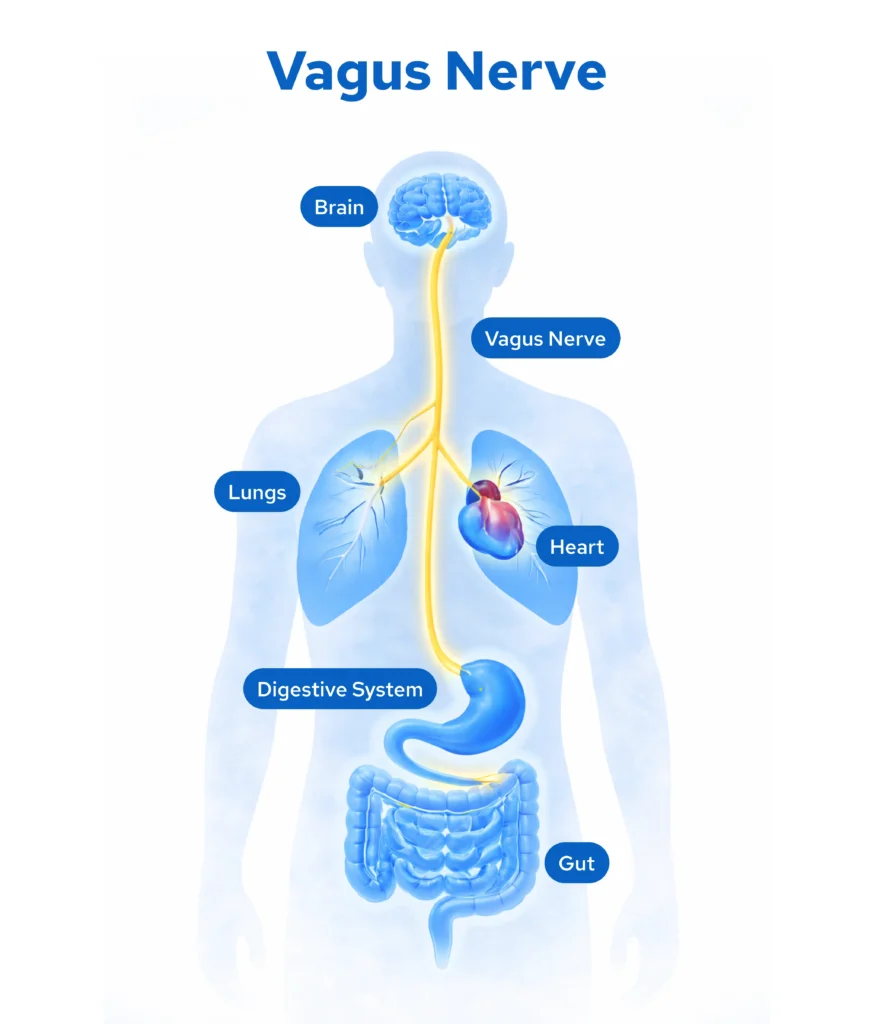
The more I looked into chronic stress patterns, the more one pathway kept appearing repeatedly: the vagus nerve.
I often explain the vagus nerve to clients as part of the body’s internal “calm pathway” – helping the nervous system shift back out of stress mode once the pressure has passed.
That is one reason practices like slow breathing, meditation, mindfulness, cold exposure, and nervous system exercises have become so popular in recent years.
In different ways, many of them are all trying to send the body the same basic message: you are safe enough to relax now.
Most stress support still depends on the person consciously trying to create that feeling of safety themselves.
Many exhausted parents were spending so much time mentally “on guard” that their nervous system no longer seemed to respond reliably to effort alone.
Still, I kept running into the same problem again and again with overwhelmed parents.
The pathway made sense. The practices made sense.
But the reality of daily life often got in the way of consistency.
If calming your nervous system depends on silence, spare time, focus, emotional energy, and carefully protected routines, many parents living in constant “on duty” mode are already starting from a disadvantage before they even begin.
That gap became impossible for me to ignore.
Because I started wondering:
What if nervous system support did not need to happen outside real life?
What if it could happen during it?
Many parents were technically resting. But their body still felt like it was waiting for the next interruption.
And that was the point where I started wondering whether some people did not simply need more rest – but more help signalling safety to their nervous system throughout ordinary daily life.
That question eventually led me to start exploring newer forms of stimulation du nerf vague designed to work more naturally alongside everyday life.
At first, I was simply curious.
I kept seeing the same pattern repeatedly: the parents struggling most were often not the ones avoiding recovery altogether.
They were the ones trying to recover inside lives that never fully slowed down long enough to make most stress routines sustainable.
And that was what eventually led me toward a surprisingly simple device called Nurosym – something many exhausted parents had never even heard of before.
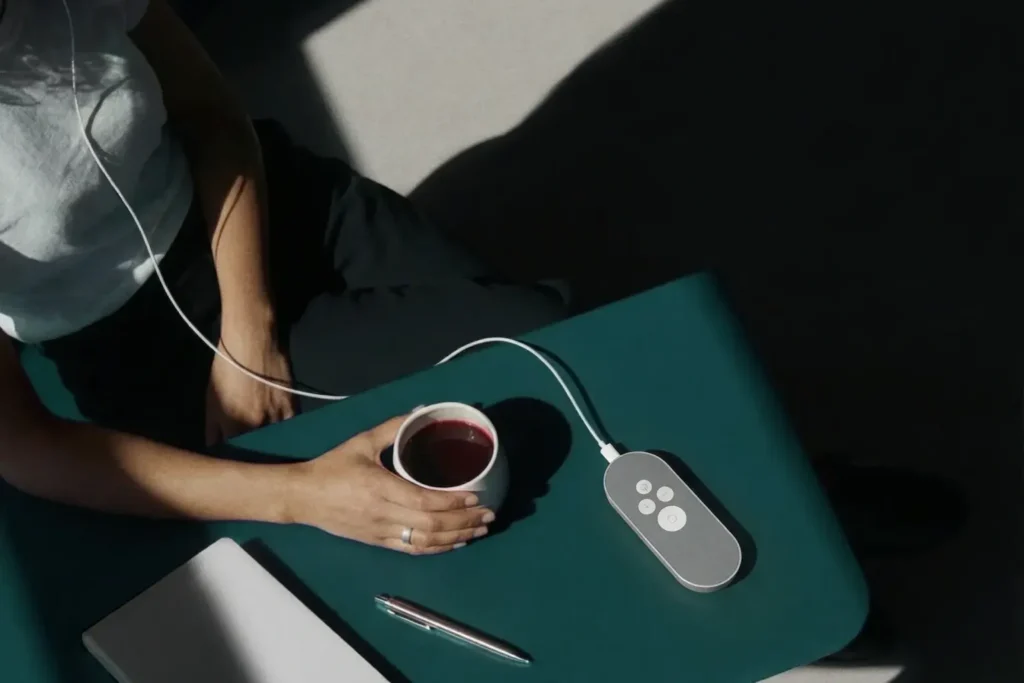
The Small Daily Habit That Made Me Look At Stress Support Differently
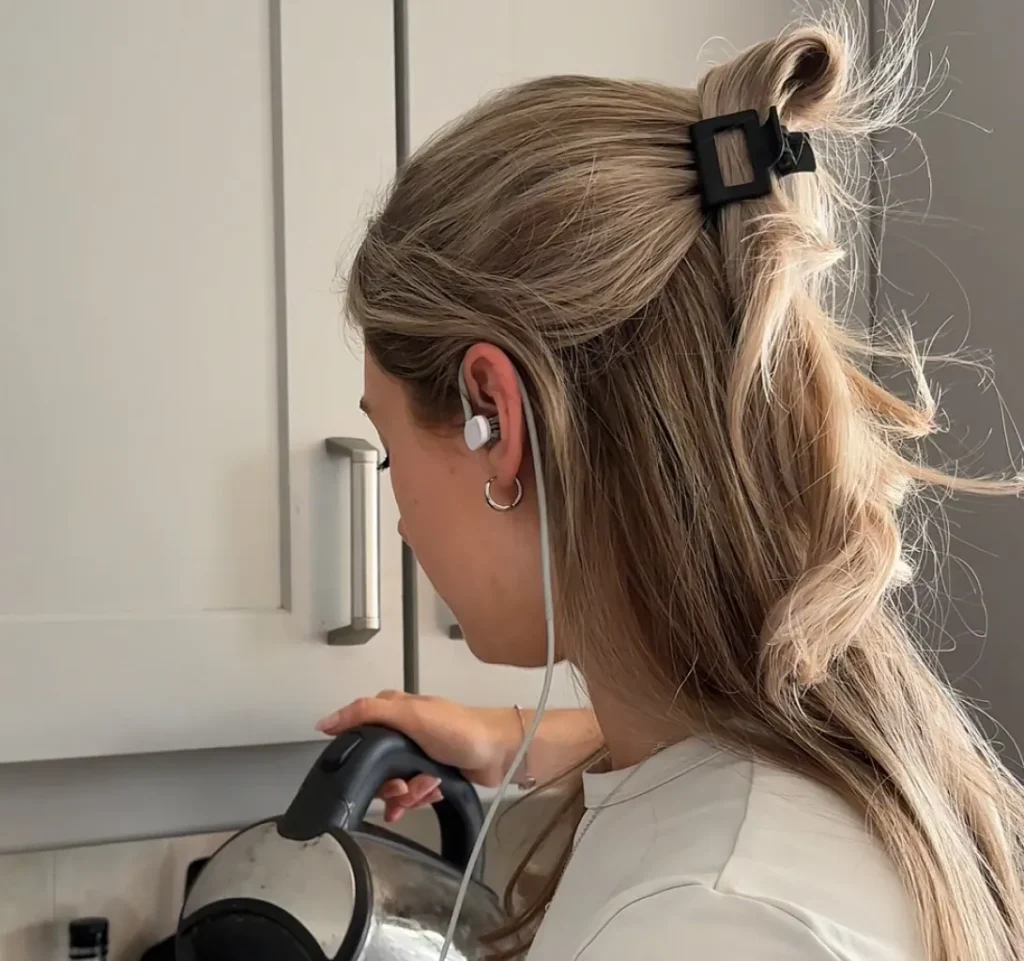
Honestly, I expected Nurosym to be another wellness product I would stop thinking about after a week.
There are countless products promising calm, balance, recovery, and better sleep. Most disappear from my radar almost immediately.
But Nurosym kept pulling me back for a few specific reasons.
What first caught my attention was not just the science. Honestly, it was the practicality.
It was one of the first nervous system approaches I had seen that did not depend so heavily on people having enough mental bandwidth to “do recovery properly” first.
It was one of the first approaches I had seen that did not ask overwhelmed parents to completely reorganise their lives before they could realistically use it consistently.
It did not rely on motivation, silence, perfect routines, or finding extra time most parents stuck in low-level survival mode simply do not have.
And that distinction felt surprisingly important.
Because many overwhelmed parents were not resisting recovery.
They were trying to recover using methods that still depended heavily on mental effort from an already overloaded nervous system.
And at the same time, there appeared to be substantially more scientific research and institutional interest around this type of vagus nerve stimulation than I usually see with most wellness products, which was one of the reasons I kept paying attention to it.
In simple terms, the device gently stimulates a branch of the vagus nerve through the ear, with the goal of helping support the body’s shift out of prolonged stress activation and back toward a calmer parasympathetic state.
This type of non-invasive vagus nerve stimulation is often referred to as taVNS, short for transcutaneous auricular vagus nerve stimulation.
But what interested me most was not just the mechanism itself. It was how naturally it seemed to fit into ordinary life.
Parents told me they used it while folding laundry, preparing dinner, answering emails, sitting beside a sleeping baby, or quietly winding down before bed.
And honestly, that detail mattered more than people might realise.
Because for many overwhelmed parents, this was one of the first forms of nervous system support that did not immediately feel like “one more thing” they were failing to keep up with.
It fits naturally into everyday life instead of demanding parents step away from it first.
And for chronically overwhelmed people, that practicality may be the difference between something they try once… and something they can actually continue using consistently.
Research around this type of vagus nerve stimulation has expanded significantly in recent years, and Nurosym itself has also been explored alongside institutions including UCLA, Imperial College London, Harvard-affiliated research groups, and the NHS.
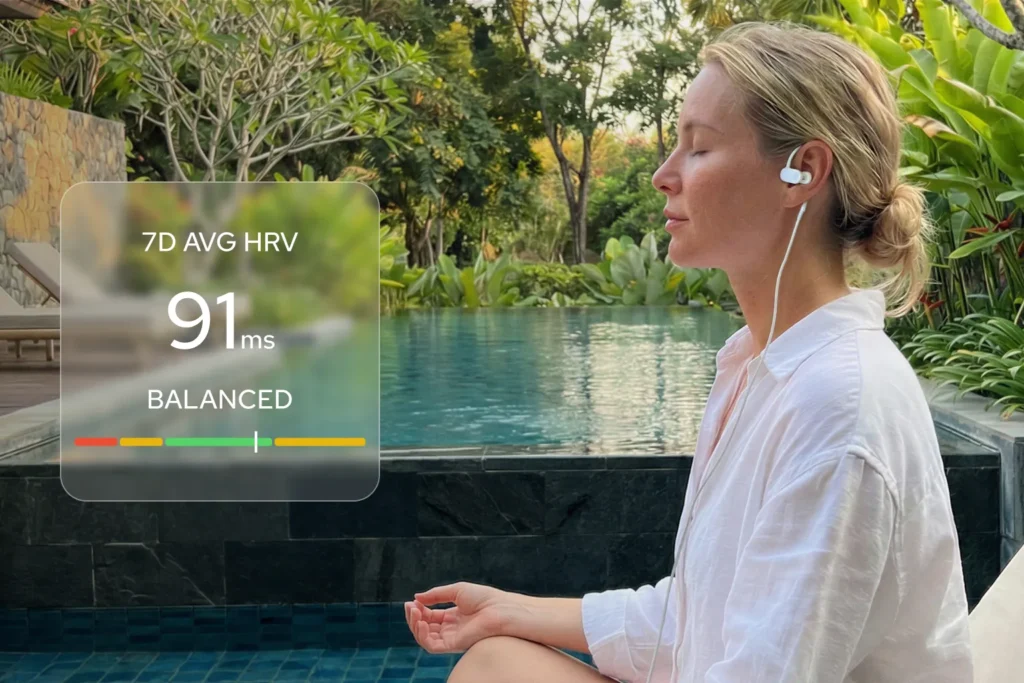
That did not make me see it as some miracle fix.
But it made me take it seriously enough to keep paying attention.
And what parents described afterwards was usually not dramatic.
It was subtler than that. But often meaningful.
What Parents Noticed First Was How Much Less “On Edge” They Felt

Most parents were not describing some dramatic overnight transformation.
What many noticed first was usually much quieter than that.
Feeling less reactive during ordinary moments. More mental space. Fewer racing thoughts once the house finally became quiet.
Several parents described something surprisingly similar:
for the first time in months, their body no longer felt like it was constantly anticipating the next interruption.
And for parents who have spent months feeling mentally “on edge,” even small moments of relief can start to feel deeply meaningful.
Because most are not trying to become perfectly calm all the time.
They simply want their body to stop acting like it is permanently “on duty.”
What also stood out to me was how naturally people fitted Nurosym into ordinary life.
Some used it while folding laundry. Others while preparing dinner, sitting beside a sleeping baby, or quietly reading before bed.
No rigid recovery routine. No perfectly calm environment. No pressure to “switch off properly” before being able to support their nervous system.
And interestingly, many people described those smaller feelings of relief as the beginning – not the end – of the changes they noticed over time.
Research around stimulation du nerf vague has also explored improvements connected to tiredness, HRV, stress resilience, sleep, nervous system regulation, and emotional wellbeing with continued use.
That does not mean every person experiences the same results.
But it does help explain why so many exhausted parents became interested in using it consistently in the first place.
Why I Don’t See This As A Replacement For Therapy, Sleep, Or Real Recovery

I always want to be careful not to oversimplify stress or nervous system regulation.
No device replaces sleep, therapy, emotional support, nutrition, boundaries, medical care, or proper recovery.
And there is no single tool that “fixes” chronic stress completely.
Real recovery is layered.
Sometimes therapy helps address deeper emotional patterns. Sometimes breathwork helps during moments of activation. Sometimes people genuinely need more support, more rest, or simply less pressure for a while.
But during overwhelming periods of life, many people also need something practical.
Something that fits inside reality instead of demanding they escape reality first.
That is where I think tools like Nurosym may become useful for some people:
not as a replacement for the basics – but as one additional layer of nervous system support during periods of chronic stress, overstimulation, burnout, anxious thoughts, poor sleep, and emotional overload.
Maybe Your Body Never Fully Left “Survival Mode”

One thing I often tell exhausted parents is this:
you may not be failing at relaxation.
Your nervous system may simply have spent too long receiving signals of pressure, responsibility, interruption, and alertness – without enough moments that truly felt calm, safe, or restorative.
And after enough time living like that, many people stop remembering what genuine calm is even supposed to feel like anymore.
That does not mean there is something wrong with you.
It may simply mean your body needs more consistent signals of safety, recovery, and regulation.
For many parents, the goal is not becoming perfectly peaceful all the time.
That is not real life.
The goal is smaller than that.
But often much more meaningful.
To feel less braced. Less constantly alert. Less like your body is permanently waiting for the next interruption.
And for some people, a small daily habit like Nurosym may become one realistic way to support that shift – without needing to find another hour, another quiet room, or another version of themselves who somehow has everything under control.
Cet article de blog vise à être informatif et ne doit pas remplacer les conseils de santé professionnels. Toujours consulter un professionnel de santé pour des conseils personnalisés.
Partager cet article :


 French
  English
  German
  Spanish
  Swedish