
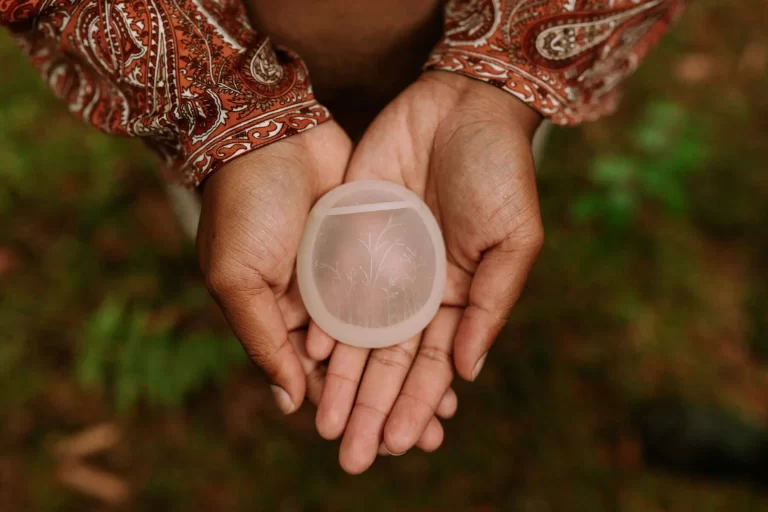
Key Points
- Menstrual discs are gaining popularity in 2025 as a comfortable, eco-friendly alternative to tampons and pads.
- The best discs balance comfort, leak protection, capacity, and ease of use.
- Innovations include reusable options, biodegradable materials, and improved designs for better fit and security.
- Real-world reviews highlight both the benefits and challenges of switching to discs.
- This guide compares leading brands and explains what to look for when choosing a disc.
A New Era of Period Care
By 2025, more people are rethinking how they manage their menstrual cycles. Tampons and pads remain widespread, but a growing number of users are turning toward menstrual discs. Market data suggests a sharp rise in adoption—driven by sustainability, comfort, and longer wear times. For many, the appeal lies in the promise of fewer leaks, reduced waste, and a product that fits seamlessly into busy lifestyles.
But with dozens of discs on the market, from disposable to reusable, the real question becomes: which options consistently deliver the best combination of comfort, security, and ease of use?
Why Comfort and Security in Period Care Matter More Than Ever
Traditional products can be costly, inconvenient, and environmentally taxing. The average person uses up to 11,000 disposable period products in a lifetime, much of which ends up in landfills. Discs, especially reusable ones, offer a way to cut down on waste while maintaining reliable protection.
Beyond sustainability, comfort is another key driver. Menstrual discs sit at the vaginal fornix—higher than menstrual cups—often making them less noticeable during wear. This positioning also allows for mess-free intimacy, a feature not found in other menstrual products. For active users, from athletes to frequent travellers, this can be a game-changer.
Because they stay in place for up to 12 hours, discs can also reduce the need for frequent changes, adding convenience for busy lifestyles.
Common Struggles Users Face When Switching to Menstrual Discs
Still, menstrual discs aren’t without their challenges. Some first-time users struggle with insertion and removal, especially compared to tampons or cups. Leaks can occur if the disc isn’t positioned correctly, and not every brand works for every body shape. Cost also plays a role: while reusable discs are more economical long-term, the upfront investment can feel steep.
Many users also report a learning curve during the first few cycles as they adjust to folding techniques and finding the right angle for placement.
How Menstrual Discs Work: The Science of Comfort, Capacity, and Safety
Unlike tampons, which absorb fluid, discs collect it. Their placement at the base of the cervix means they can hold more volume—up to 70 mL in some models, compared to the 10–20 mL of most tampons. This makes them suitable for heavy-flow days.
Materials also matter. Most discs are made from medical-grade silicone or biodegradable polymers tested for safety and flexibility. Studies suggest silicone menstrual products carry no higher infection risk than traditional disposables when cleaned properly. Regulatory bodies, including the FDA in the U.S. and CE-mark certifications in Europe, require discs to meet strict safety standards.
Many brands now include smoother rims and softer silicone blends to reduce pressure and improve all-day comfort.
Top Menstrual Discs of 2025
Here’s a breakdown of leading brands making waves in 2025:
1. Flex Reusable Disc
- Comfort: Soft silicone with a double-rim design for secure placement.
- Capacity: Up to 70 mL.
- Unique Feature: Allows mess-free intimacy.
- User Feedback: High marks for comfort, though some find removal tricky at first.
2. Nixit Disc
- Comfort: Rimless design with flexible body.
- Capacity: 70 mL.
- Sustainability: Fully reusable, made of medical-grade silicone.
- User Feedback: Popular for heavy flow, though insertion requires practice.
3. Saalt Disc (2025 Edition)
- Comfort: Redesigned with an ergonomic rim for easier insertion.
- Capacity: 50 mL.
- Sustainability: Reusable; brand donates to menstrual equity projects.
- User Feedback: Praised for beginner-friendly design.
4. Hello Disc
- Comfort: Includes a “removal tab” for easier grip.
- Capacity: 60 mL.
- Innovation: First disc to offer a pull-tab system.
- User Feedback: Rated highly by new users, intimidated by removal.
5. Cora Disc (Biodegradable Option)
- Comfort: Softer rim, designed for sensitive users.
- Capacity: 40 mL.
- Sustainability: First mainstream disc marketed as partially biodegradable.
- User Feedback: Great for eco-conscious users, though a smaller capacity may not suit heavy flows.
What Sets 2025’s Menstrual Discs Apart
The 2025 market is marked by two key trends:
- Biodegradable Discs: New materials reduce environmental impact beyond just reusability.
- User-Friendly Designs: Innovations like pull-tabs and softer rims aim to make discs more accessible to beginners.
These updates reflect growing consumer demand for both comfort and eco-conscious design.
Choosing the Right Menstrual Disc
When selecting a menstrual disc, consider:
- Flow Volume: Heavy-flow users may prefer a larger capacity (60–70 mL).
- Experience Level: Beginners might benefit from pull-tab designs.
- Lifestyle Needs: For athletes or travellers, discs with higher leak resistance are ideal.
- Sustainability Goals: Decide whether a reusable or biodegradable option aligns with your values.
Conclusion
Menstrual discs are no longer niche—they’re mainstream. By combining comfort, sustainability, and practicality, they’ve carved out a strong role in 2025’s menstrual care landscape. Whether you’re seeking longer wear time, eco-friendliness, or greater freedom during your cycle, there’s likely a disc that fits your needs.
With a little practice and the right fit, menstrual discs can offer one of the most comfortable and reliable period-care experiences available today.
The next step? Try one that matches your lifestyle and flow, give yourself time to adjust, and see how it transforms your experience.
This blog post aims to be informational and should not replace professional health advice. Always consult with a health professional for personalised advice.
Subscribe for Free for more insightful health articles tailored to your needs.
Sources
- Liberty A, Samuelson Bannow B, Matteson K, Edelman A, Colwill A. Menstrual Technology Innovations and the Implications for Heavy Menstrual Bleeding. Obstetrics & Gynecology [Internet]. 2023 Feb 15 [cited 2023 May 12];141(4):666–73. Available from: https://www.ncbi.nlm.nih.gov/pmc/articles/PMC10026971/
- DeLoughery E, Colwill AC, Edelman A, Bannow BS. Red Blood Cell Capacity of Modern Menstrual products: Considerations for Assessing Heavy Menstrual Bleeding. BMJ Sexual & Reproductive Health [Internet]. 2023 Jul 31;50(1):21–6. Available from: https://srh.bmj.com/content/early/2023/07/03/bmjsrh-2023-201895
- Zulaika G, Otieno FO, Mason L, Maria A, Bhaumik R, Green SJ, et al. Menstrual cups to reduce bacterial vaginosis and STIs through reduced harmful sexual and menstrual practices among economically vulnerable women: protocol of a single arm trial in western Kenya. BMC Public Health [Internet]. 2024 Nov 8 [cited 2025 Apr 5];24(1). Available from: https://pmc.ncbi.nlm.nih.gov/articles/PMC11545970/



 English
  German
  French
  Spanish
  Swedish
  Italian
I like that biodegradable options are finally becoming available.