

Reviewed by Dr. Saloni Kabra, BHMS
Discover the Neuro-Regulation Self-Assessment to determine whether your nervous system and executive functions may benefit from targeted support.
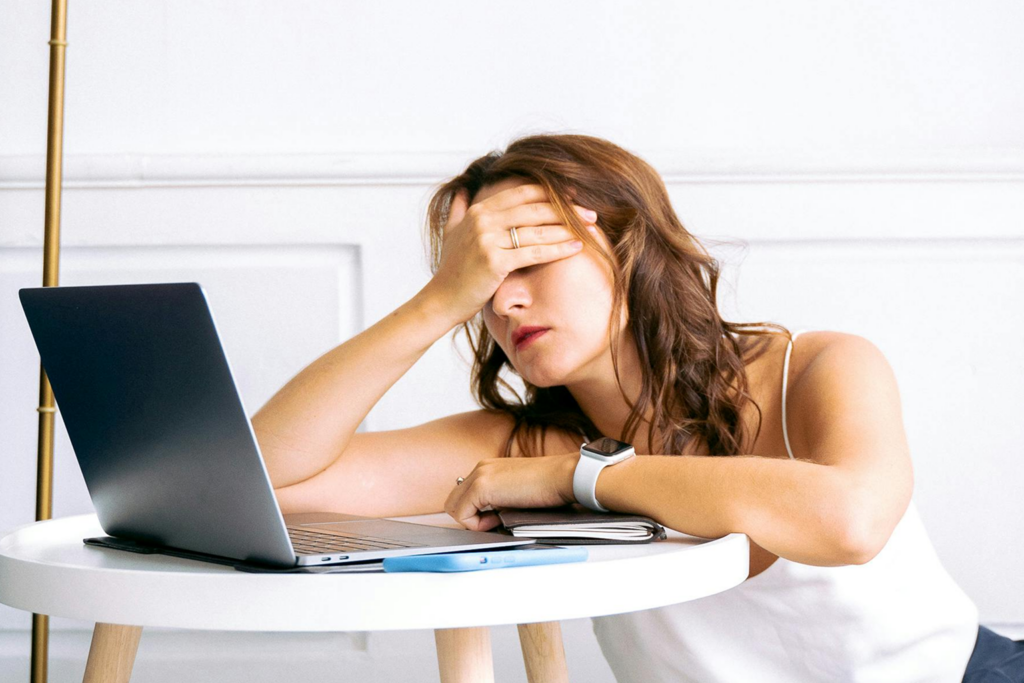

Your Mind is Constantly Racing, Yet You Struggle to Focus
Ask yourself
- Do you read the same page repeatedly but absorb nothing?
- Do you start multiple projects with enthusiasm, but struggle to finish even one?
- Does your brain feel like a web browser with 100 open tabs?
If you answered yes, your brain’s dopamine pathways and autonomic nervous system may not be regulating attention optimally.
Physiological Mechanisms:
- Dopamine dysregulation: The brain’s reward system struggles to maintain baseline stimulation, making routine or mundane tasks feel almost physically impossible to engage with.
- Prefrontal cortex underactivity: The area of the brain responsible for sustaining attention, planning, and organising isn’t firing optimally.
- Autonomic hyperarousal: When overstimulated, the nervous system shifts into a mild "fight-or-flight" state, scattering your focus and making you easily distracted.
Emerging research suggests that neuromodulation techniques, such as transcutaneous auricular vagus nerve stimulation (taVNS), may influence brain networks involved in attention and working memory, potentially supporting sustained focus.


You Experience “Task Paralysis” Even When You Deeply Want to Work
Ask yourself
- Do you sit at your desk knowing exactly what to do, but simply cannot initiate the task?
- Does organising your day feel more exhausting than the actual work itself?
- Do you rely on the last-minute panic of a deadline to finally get things done?
Physiological Mechanisms:
- Impaired initiation signals: There may be a neurological disconnect between knowing what needs to be done and generating the internal drive required to initiate action.
- Working memory deficits:Holding multiple steps or instructions in mind becomes overwhelming, leading to a cognitive freeze response.
- Nervous system overwhelm: The body perceives the heavy cognitive load as a threat, triggering an involuntary avoidance response.
Preliminary studies suggest that targeted nerve stimulation may help regulate the autonomic response, potentially reducing the “freeze” states and supporting smoother task initiation.


Your Emotions Feel Overwhelming and Hard to “Switch Off”
Ask yourself
- Do minor criticisms or perceived rejections ruin your entire day?
- Do you experience intense, sudden waves of frustration over small inconveniences?
- Does it take you much longer to calm down than the people around you?
Physiological Mechanisms:
- Amygdala reactivity: The brain’s emotional centre is highly sensitive in many neurodivergent individuals, quickly triggering an alarm state.
- Reduced vagal tone: The vagus nerve (the body’s "brake pedal") may be less effective at slowing emotional responses and lowering heart rate once distress begins.
- Sympathetic surge: Emotional overwhelm quickly translates into physical fight-or-flight symptoms, such as muscle tension or a racing heart.
Research suggests that taVNS may improve heart rate variability (HRV), a key marker of emotional regulation and the nervous system’s ability to return to a calm baseline.
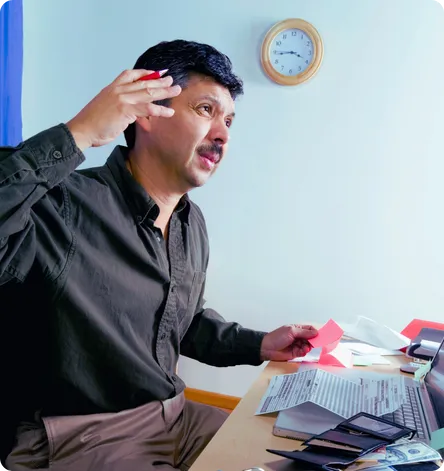

You Feel a Constant Inner Restlessness and Need to Fidget
Ask yourself
- Do you feel a physical urge to move, tap, or pace when forced to sit still?
- Even when your body is resting, does your mind feel like a running motor?
- Do you find it impossible to "just relax" on the weekend without feeling guilty or anxious?
Physiological Mechanisms:
- Chronic sympathetic overdrive: The nervous system is stuck in an active, "on" state, constantly seeking external stimulation.
- Motor cortex hyperactivity: The brain may seek physical movement to enhance stimulation and support neurotransmitter activity, including dopamine.
- Reduced parasympathetic tone: The "rest-and-digest" system is underactive, making true physical and mental relaxation feel unnatural.
Vagus nerve stimulation is being studied for its potential to dampen sympathetic overdrive, helping the body and mind find a calmer, more grounded resting state.


You Are Wired at Night, Yet Exhausted During the Day
Ask yourself
- Do you intentionally stay up late because it’s the only quiet time your brain gets (revenge bedtime procrastination)?
- Does your mind suddenly "wake up" the moment your head hits the pillow?
- Do you wake up feeling unrefreshed, no matter how many hours you slept?
Physiological Mechanisms:
- Delayed circadian rhythm: The neurodivergent brain often has a naturally shifted sleep-wake cycle.
- Nighttime hyperarousal: The autonomic nervous system fails to switch into deep parasympathetic recovery at night, keeping you alert.
- Cortisol imbalance: Stress hormones remain elevated in the evening instead of naturally tapering off to prepare for sleep
In scientific studies, taVNS has shown potential in supporting deeper, more restorative sleep by enhancing parasympathetic (calming) activity before bed.


You Crash from Severe Burnout After “Masking” All Day
Ask yourself
- Does socialising, maintaining eye contact, or sitting in meetings leave you feeling completely depleted?
- Do you spend your weekends recovering from the sensory and cognitive load of the workweek?
- Do you frequently hit a wall where your brain simply refuses to process any more information?
Physiological Mechanisms:
- Cognitive overload: Constantly filtering out distractions and "masking" Attention Problems traits requires massive amounts of metabolic energy.
- Sensory processing tiredness: The nervous system works overtime to manage bright lights, background noises, and social cues.
- Allostatic load: Chronic stress associated with managing neurodivergence may deplete physiological and psychological reserves over time.
Pilot studies in symptoms of chronic cognitive strain suggest neuromodulation may help improve nervous system resilience, reducing the severity of daily mental crashes and burnout.
The Missing Link: Traditional Advice Often Overlooks
Here’s what connects all 6 of these experiences: your vagus nerve plays a crucial role in regulating many of these processes.
- It calms a racing mind, helping you focus for longer.
- It stops the "freeze" feeling so that you can start tasks much more easily.
- It slows down intense emotions to stop sudden anger or frustration.
- It lowers your stress levels to stop that restless, hyper feeling inside.
- It helps regulate your sleep rhythm by calming your brain at night.
- It gives you more mental energy to recover faster from sensory overload and "masking."
These findings support the vagus nerve as a central switchboard for recovery. Non-invasive stimulation is actively being studied as a way to help restore this control system.
Discover Nurosym: The Natural Path to Autonomic Balance

Nurosym offers a scientifically studied, drug-free approach to restore energy and stability by targeting your vagus nerve through auricular stimulation.
Why Nurosym Works:
Evidence shows that targeted nerve stimulation can lower stress hormone levels, restore balance to your nervous system, and improve sleep quality. Early studies in high-stress and neurodivergent groups also show encouraging improvements in focus and emotional control, with larger scientific studies currently underway.

Instant ANS reset
Begin rebalancing within minutes of use.

Scientifically studied
50+ studies exploring autonomic balance, HRV, sleep, fatigue.

Natural & safe
Non-invasive, no drug interactions.
Nurosym is a CE-marked device in the EU and is used under FDA “non-significant risk” designations in U.S. studies.
Endorsed by Leading Autonomic & Recovery Specialists

Anthony Kaveh, MD
Anesthesiologist & Medical Director at Clarus Health
"I wanted to know can we help our patients have an even more sustained relief from an out-of-control sympathetic nervous system. I'm happy to say so far the answer has been yes."
Dr Myro Figura
Anesthesiologist & Chief Medical Officer at HealFast
"(Nurosym) increases the rest and digest side of your nervous system by up to 61% in five minutes and it's a potent reliever for anxious states."

Dr James Gill
Associate Professor at Warwick Medical School & General Practitioner
"I found (publications) with no declared conflict of interest by Leeds University. They demonstrated reduced sympathetic nerve activity. Personally, (with Nurosym) my HRV increased from 40s to 69."

Dr Mikolaj Raszek
Researcher at Merogenomics
"Based on the evidence coming out, it looks as if these devices... appear to be helping big time in terms of Post-Viral Fatigue."
Ashley Ridout
Osteopath & Educator
"I tried this on two patients: a 45-year-old male with chronic neck pain reported better and deeper sleep... A 30-year-old female with headaches noticed improved sleep and reduced pain."

Bryan Johnson
Founder of Braintree, Project Blueprint
"HRV is a pretty significant biomarker for health. It has a clear association with age... HRV training is keeping me low key, chill and calm."
Real Results from Real People
“From Postural Heart Rate Abnormalities to fewer rough days—take it off for a day and I feel the difference.”
– Nurosym user
“After post-viral dysautonomia, I finally got a foothold out of exhaustion.”
– Sarit
“Constant crashes turned into steadier days. The improvement was immediate.”
– Postural Heart Rate Abnormalities sufferer testimonial
Meet The Health Professionals
A practicing doctor of psychiatry, Elisabetta has an MBA from INSEAD Business School, and experience in direct patient care, neuroscience research, communication and management. Dr. Burchi is a physician-scientist, working with Parasym in clinical affairs with a track record of publishing in the most important scientific journals such as The Lancet, writing successful grant proposals for the NIH, and leading the production of editorial, clinical, regulatory and promotional material in collaborative multidisciplinary teams. Dr. Burchi has also coordinated clinical trials and implemented a tele-medicine practice which received a certification of excellence among more than 100,000 professionals.

Dr. Elisabetta Burchi, MD, MBA
Translational research lead at Parasym
Take Control of Your Focus and Energy Naturally

Join thousands reclaiming stability and energy.
Participate in the Neuro-Cognitive research programand save €70 on your Nurosym device.
*Research participation assessment takes less than 3 minutes
50+
studies referenced
4M+
successful sessions delivered
30
Day money back guarantee
certified medical device
Join thousands reclaiming stability and energy.
Participate in the Postural Heart Rate Abnormalities research program and save €70 on your Nurosym device.
*Research participation assessment takes less than 3 minutes
50+
studies referenced
4M+
successful sessions delivered
30
Day money back guarantee
certified medical device
30-Day Money-Back Guarantee
Every Nurosym Kit is backed by a 30-day, full-refund policy if users aren’t satisfied with their progress.
Got questions? Here is everything you need to know
Symptoms we studied
These symptoms have been linked to autonomic nervous system imbalance and Vagus Nerve Impairment:
- Anxious states and Stress related symptoms
- Chronic Tiredness, Fatigue, Brain Fog, Burnout
- Digestive issues, irritable gut reflux, diarrhoea, constipation, bloating
- Sleep problems
- Negative thought
- Inflammatory symptoms
- Pain, headaches
- Memory & Attention problems
- Postural Heart Rate Abnormalities or fainting
- Post-Viral Symptoms
- Widespread body pain
Our latest research data also suggests Nurosym improves learning and short-term memory and cognition.
Nurosym also has been shown to promote relaxation, mood, sleep, healthy digestion, increased HRV, as well as to alleviate symptoms of stress, burnout, adrenal fatigue.
Parasym research is also investigating the impact of neuromodulation on athletic performance, muscle recovery, weight management problems, substance dependency and more.
If you’re not sure if Nurosym is for you consult with your health professional or contact our support by clicking the Support icon at the bottom right of the page.
When can I start feeling the effects?
The timeframe for experiencing the effects of Nurosym varies. Individuals with severe symptoms may notice improvements within 1 to 3 days, while others may see results within 4 to 6 weeks. Rest assured, the transformative benefits of Nurosym will be within reach.
Is Nurosym safe?
Neuromodulation via Nurosym is considered safe when used as intended.
Nurosym has these certificates.
– It is based on scientific evidence
– It is safe to use
– It has demonstrated scientific efficacy
Be sure to read the important safety information before use. Thousands of users have tested the device and no serious adverse effects have been reported in studies to date.
What does it feel like?
Feels like a pleasant, light vibration or tingling sensation in your ear.
Are there any additional costs or subscription fees?
There are no additional costs or fees, only the one-time purchase of the Nurosym.
Before using Nurosym
Read the instructions for use before using Nurosym. However, it’s possible this may not be enough to fully explain the safe and effective use of Nurosym in your particular situation. Ask your health professional or contact Nurosym care if you have any questions about how to use Nurosym or require any further clarification.
Only use Nurosym as described in the instructions for use or as otherwise directed by your health professional. Remove jewelry that may interfere with the electrode location (earrings etc.) before using Nurosym. Do not use Nurosym if the skin on the tragus is broken, cracked or numb.
What is the difference between Nurosym and other devices claiming to stimulate nervous system?
Important Safety Note: Exposing the nervous system to untested electrical currents or using DIY Transcutaneous Electrical Nerve Stimulation (TENS) devices carries risks, including potential nerve damage. Prioritize safety and efficacy in your choice.
Devices claiming to affect vagus nerve differ significantly, impacting their effectiveness and safety. Even small differences in factors like waveform and site placement can yield notable results. Most importantly, level of scientific evidence is crucial.
Nurosym is the leading non-invasive vagal neuromodulation system used in scientific research– with over $10M deployed in scientific studies, 50+ published papers in leading journals covering our exciting and scientifically significant results. Our device is one of a few registered medical devices with safety & efficacy confirmed by regulatory bodies in EU.
How long should I use Nurosym each day for optimal results?
We recommend using Nurosym for 1 hour each day, however, benefits can be seen with as little as 15 minutes of use.
Can I perform other activities while using it?
Yes, you can experience the benefits of Neurostimulation anywhere, anytime while doing any activity.
Do I need a prescription to purchase Nurosym?
No. However, we recommend that you consult with your health professional if you’re unsure whether Nurosym is right for you.
What are the details of your 30-day guarantee?
If you try Nurosym daily for 30 days and aren’t happy with your results, we’ll send you a fund refund. No questions asked.
Given the remarkable results Nurosym has had in scientific studies and with our customers around the world, we’re confident in its health restoring effects. Our goal will always be to restore our collective health – restoring health for as many people as we can and in turn, restoring the health of our planet. If Nurosym doesn’t work for you for any reason, we’re happy to send you a refund. This refund period is available 30 days after the date of purchase and expires the following week (37 days after the date of purchase).
Does Nurosym come with a warranty?
Yes! We offer a one-year warranty with every Nurosym device.
How long do orders take to ship?
Orders are processed and dispatched within 1-3 business days.
When will my order arrive?
Nurosym is shipped via priority tracked and signed couriers, so delivery times will vary based on shipping location. When you checkout, you’ll receive an estimated shipping time for your order.
What is in the Nurosym Package?
- Nurosym device
- Earpiece
- USB charger
- Case
- Quick start guide
How to use Nurosym?
REFERENCES:
- American Psychiatric Association. (2022). Diagnostic and statistical manual of mental disorders (5th ed., text rev.; DSM-5-TR).
- Chang, J. P.-C., & Su, K.-P. (2020). Nutritional neuroscience as mainstream of psychiatry: The evidence-based treatment guidelines for using omega-3 fatty acids as a new treatment for psychiatric disorders in children and adolescents. Nutritional Neuroscience. https://doi.org/10.1080/1028415X.2019.1588315
- Cortese, S. (2020). Pharmacologic treatment of attention deficit–hyperactivity disorder. The New England Journal of Medicine, 383(11), 1050–1056. https://doi.org/10.1056/NEJMra1917069
- Kofler, M. J., Sarver, D. E., Harmon, S. L., Moltisanti, A., Aduen, P. A., Soto, E. F., & Ferretti, N. (2018). Working memory and organizational skills problems in ADHD. Journal of Child Psychology and Psychiatry, 59(1), 57–67. https://doi.org/10.1111/jcpp.12773
- Ramdass, D., & Zimmerman, B. J. (2011). Developing self-regulation skills: The important role of homework. Journal of Advanced Academics, 22(2), 194–218. https://doi.org/10.1177/1932202X1102200202
- Singh, A. S., Saliasi, E., van den Berg, V., Uijtdewilligen, L., de Groot, R. H. M., Jolles, J., Andersen, L. B., Bailey, R., Chang, Y.-K., Diamond, A., Ericsson, I., Etnier, J. L., Fedewa, A. L., Hillman, C. H., McMorris, T., Pesce, C., Pühse, U., Tomporowski, P. D., & Chinapaw, M. J. M. (2019). Effects of physical activity interventions on cognitive and academic performance in children and adolescents: A novel combination of a systematic review and recommendations from an expert panel. British Journal of Sports Medicine, 53(10), 640–647. https://doi.org/10.1136/bjsports-2017-098136
- Tarver, J., Daley, D., & Sayal, K. (2014). Attention-deficit hyperactivity disorder (ADHD): An updated review of the essential facts. Child: Care, Health and Development, 40(6), 762–774. https://doi.org/10.1111/cch.12139
The article does not in any way constitute as medical advice. Please seek consultation with a licensed medical professional before starting any treatment. This website may receive commissions from the links or products mentioned in this article.
Reviewed by Dr. Saloni Kabra, BHMS


 English
 German
 French
 Spanish
 Swedish
 Italian