
Key Points
- Light exposure strongly influences circadian rhythms and sleep quality.
- Sleeping masks can enhance sleep depth, reduce awakenings, and support melatonin production.
- Evidence suggests particular benefits for shift workers, travellers, and students.
- Masks are low-cost, non-invasive solutions but come with practical limitations.
- They compare favorably to other non-drug sleep aids such as blackout curtains and white noise.
Why a Simple Sleep Mask Could Change Your Nights
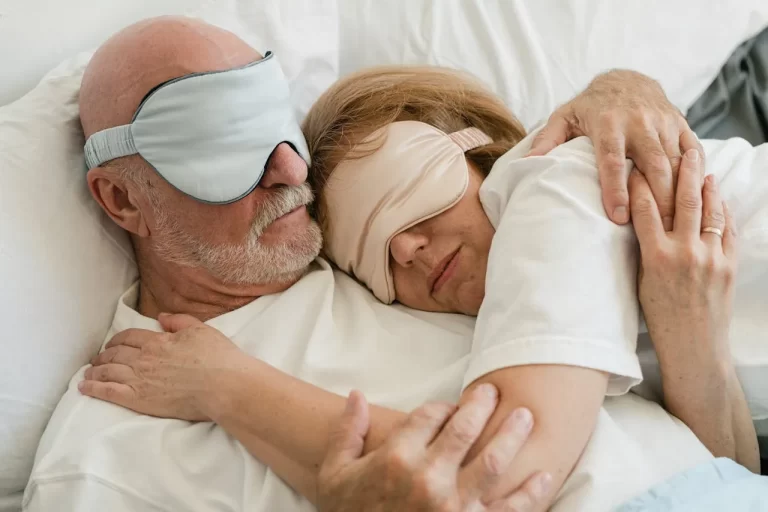
A sleep mask is a soft, wearable eye covering that blocks external light to help induce darkness and support sleep.
Now, imagine lying in bed after a long day, tired, yet unable to fall asleep because faint streetlight glow seeps through your curtains. For many people, even subtle light exposure is enough to disturb sleep—and one of the simplest solutions might be as basic as slipping on a soft piece of fabric.
What seems like a minor accessory has deeper implications. Sleep masks are being recognised not just as travel gadgets but as tools that may help restore the natural rhythm of sleep in a world filled with artificial light. The growing body of research suggests they do more than block brightness; they may enhance restorative rest, reduce nighttime interruptions, and even improve morning alertness.
Why Sleeping Masks Matter in Today’s Light-Filled World
Sleep problems are on the rise worldwide. The Centers for Disease Control and Prevention (CDC) reports that about one in three adults in the United States does not get sufficient, high-quality sleep. Sleep disruptions are not only frustrating; they’re linked to daytime tiredness, reduced productivity, mood disturbances, and long-term health risks.
While people often reach for sleeping pills or supplements, non-pharmacological tools like sleeping masks are gaining attention as safe, low-cost alternatives. The idea is simple: block out external light, give the body the darkness it craves, and let natural sleep processes unfold. But does science back it up?
Common Sleep Challenges Linked to Light Exposure
Light pollution isn’t just an issue for city dwellers. Blue light from devices, early morning sunlight, or hallway lights can all disrupt circadian rhythms. People frequently report:
- Trouble falling asleep or staying asleep.
- Waking up too early and struggling to return to sleep.
- Feeling tired despite spending enough hours in bed.
Left unaddressed, these issues can escalate into daytime sleepiness, impaired focus, and chronic tiredness.
The Science Behind Light, Darkness, and Sleep Regulation
Sleep is tightly regulated by the circadian rhythm, the body’s internal clock that responds to light and darkness. Exposure to light—especially blue wavelengths—suppresses the release of melatonin, the hormone that signals it’s time to sleep.
By blocking light, sleeping masks create an artificial sense of darkness, even in environments where true darkness is impossible. Studies suggest this not only promotes melatonin release but also increases slow-wave sleep, the deep, restorative phase of rest.
Evidence on the Effectiveness of Sleeping Masks
Randomised controlled studies have shown that wearing a sleep mask can improve sleep quality, melatonin levels, and morning alertness. In one study involving hospitalised people, masks combined with earplugs significantly improved both subjective and objective sleep scores.
Who Benefits Most from Using a Sleep Mask?
- Frequent travellers: Masks can help counter unfamiliar environments and jet lag.
- Shift workers: Essential for daytime sleepers who must rest despite daylight.
- Students and night owls: Masks may reduce nighttime awakenings linked to artificial light.
Choosing and Using a Sleep Mask Wisely
When selecting a sleeping mask, comfort is key. Contoured designs that don’t press against the eyelids tend to be better tolerated. Breathable fabrics reduce skin irritation. However, not everyone finds them comfortable, and some may experience mild warmth or pressure.
Alternatives and Complements to Sleep Masks
Sleeping masks are often compared to blackout curtains, which provide room-wide darkness but are less portable. Other tools include:
- Weighted blankets
- White noise machines
- Blue-light–blocking glasses
These can form part of a holistic sleep-supporting routine.
Taking the Next Step Toward Better Rest
If you’re struggling with sleep and want to try a simple, low-cost solution, a well-fitted sleeping mask may be worth experimenting with. Look for masks designed for comfort, and consider pairing them with other sleep-friendly habits: limiting screen time before bed, maintaining a regular schedule, and creating a cool, quiet bedroom environment.
For persistent or severe sleep problems, it’s best to consult a licensed health professional, who can help identify underlying causes and recommend tailored solutions.
Small Tools, Big Impact on Sleep Quality
Sleeping masks aren’t magic, but the science suggests they can be a surprisingly effective way to improve sleep quality—especially in today’s light-filled world. As research continues, these small tools may prove to be among the most accessible and low-risk sleep solutions available. Sometimes, the simplest answers really are right in front of us—or in this case, just over our eyes.
This blog post aims to be informational and should not replace professional health advice. Always consult with a health professional for personalised advice.
Subscribe for Free for more insightful health articles tailored to your needs.
Sources
- CDC. 1 in 3 adults don’t get enough sleep [Internet]. CDC. 2016. Available from: https://archive.cdc.gov/www_cdc_gov/media/releases/2016/p0215-enough-sleep.html
- Khoddam H, Maddah SA, Rezvani Khorshidi S, Zaman Kamkar M, Modanloo M. The effects of earplugs and eye masks on sleep quality of patients admitted to coronary care units: A randomised clinical trial. Journal of Sleep Research. 2021 Sep 12;31(2).
- Muntham D, Chirakalwasan N, Arttawejkul P, Reutrakul S. Effect of Nighttime Earplugs and Eye Masks on Sleep Quality in Intensive Care Unit Patients. Indian Journal of Critical Care Medicine. 2020 Jan;24(1):6–10.
- Greco V, Bergamo D, Cuoccio P, Konkoly KR, Muñoz Lombardo K, Lewis PA. Wearing an Eye Mask During Overnight Sleep Improves Episodic Learning and Alertness. Sleep. 2022 Dec 15;46(3).


 English
  German
  French
  Spanish
  Swedish
Didn’t know even low light could disrupt deep sleep — useful insight.
This actually made me rethink my bedtime setup