
Realiza la Autoevaluación del Sistema Nervioso y descubre si tu sistema de regulación energética necesita apoyo.
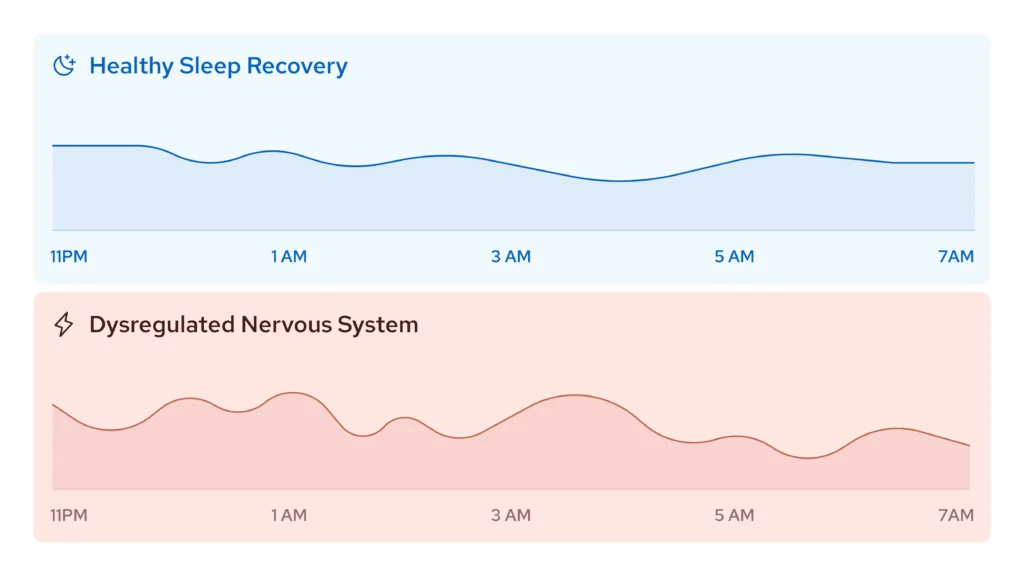

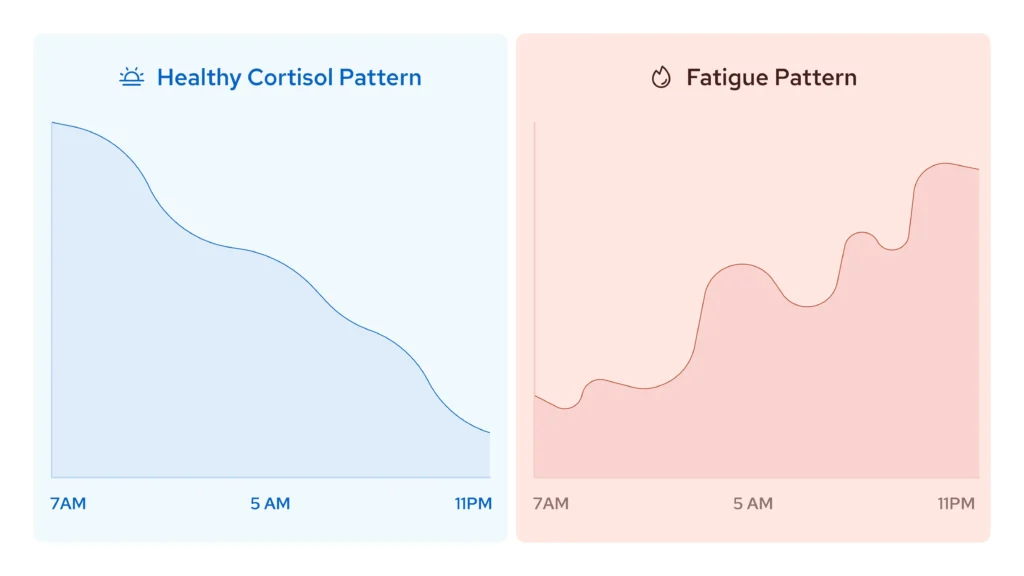
¿Te despiertas exhausto sin importar cuánto duermas?
Pregúntate a ti mismo
- ¿Te arrastras de la cama ya cansado, como si tu noche no te hubiera dado combustible?
- ¿Sientes que las mañanas son la parte más difícil de tu día, tu cuerpo pesado y lento antes incluso de empezar?
- ¿Pasas los fines de semana "poniéndote al día" sobre el sueño, pero nunca te sientes renovado?
- Do your mornings feel like walking through mud—every step an effort?
If you answered yes, your autonomic nervous system (ANS) may be dysregulated. Instead of allowing restorative sleep, your body stays stuck in stress mode overnight—leaving you drained before the day begins.
Mecanismos Fisiológicos:
- Ciclos de recuperación borrados: Healthy sleep alternates between sympathetic (alert) and parasympathetic (rest) dominance. Fatigue sufferers remain locked in sympathetic dominance, blocking deep restoration.
- Tono vagal suprimido: Low vagus nerve activity means poor heart rate variability (HRV) and inefficient recovery—like your body never shifts into “repair mode.”
- Persistencia inflamatoria: Un sistema nervioso estresado mantiene una inflamación de bajo grado que impide la recuperación muscular, nerviosa e inmune mientras duermes.
Short sessions of taVNS have been shown to reduce the cortisol response to acute mental stress in controlled studies, and daily use over two weeks improved autonomic balance and aspects of sleep and mood.
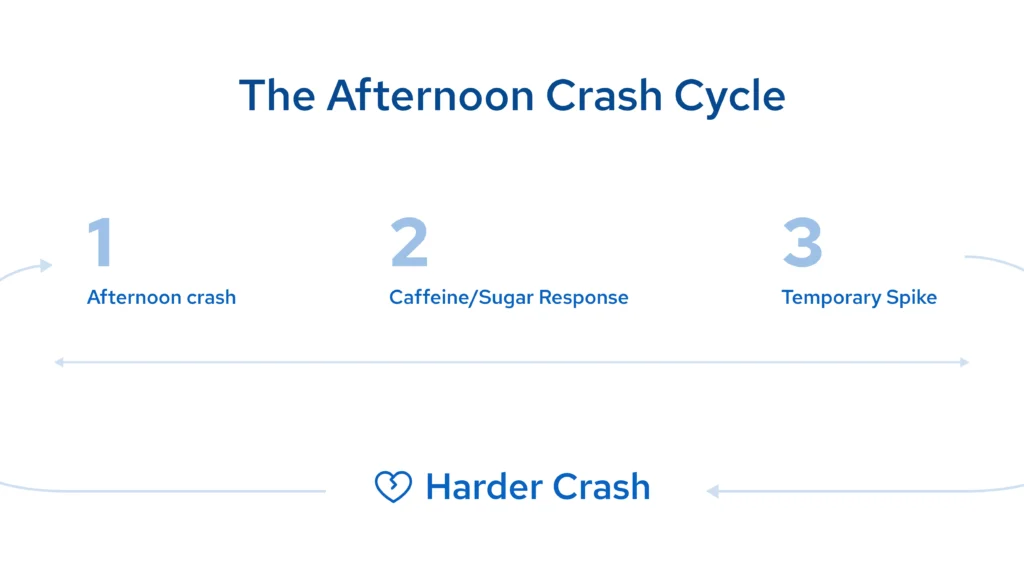

¿Los cortes de energía de la tarde controlan tu día?
Pregúntate a ti mismo
- ¿Te topas con un muro de manera confiable entre las 2 y las 3 de la tarde, teniendo dificultades para concentrarte incluso en tareas simples?
- ¿Dependes de la cafeína o del azúcar para "aguantar" las tardes, solo para caer más fuerte después?
- ¿Sientes que tu niebla mental se espesa a medida que avanza el día, las conversaciones y reuniones te agotan por completo?
- ¿Cancelas planes nocturnos simplemente porque estás demasiado agotado?
Mecanismos Fisiológicos:
- Desequilibrio autonómico: En lugar de alternar suavemente entre estado de actividad y recuperación, tus ANS pulsan como un motor defectuoso, drenando energía al mediodía.
- Supresión mitocondrial: Low vagal tone contributes to oxidative stress and mitochondrial dysfunction—your cells can’t generate sustained energy.
Vagal pathways are central to regulating inflammation. Research shows that taVNS can modulate these signals, supporting recovery and reducing the inflammatory stress that contributes to fatigue.
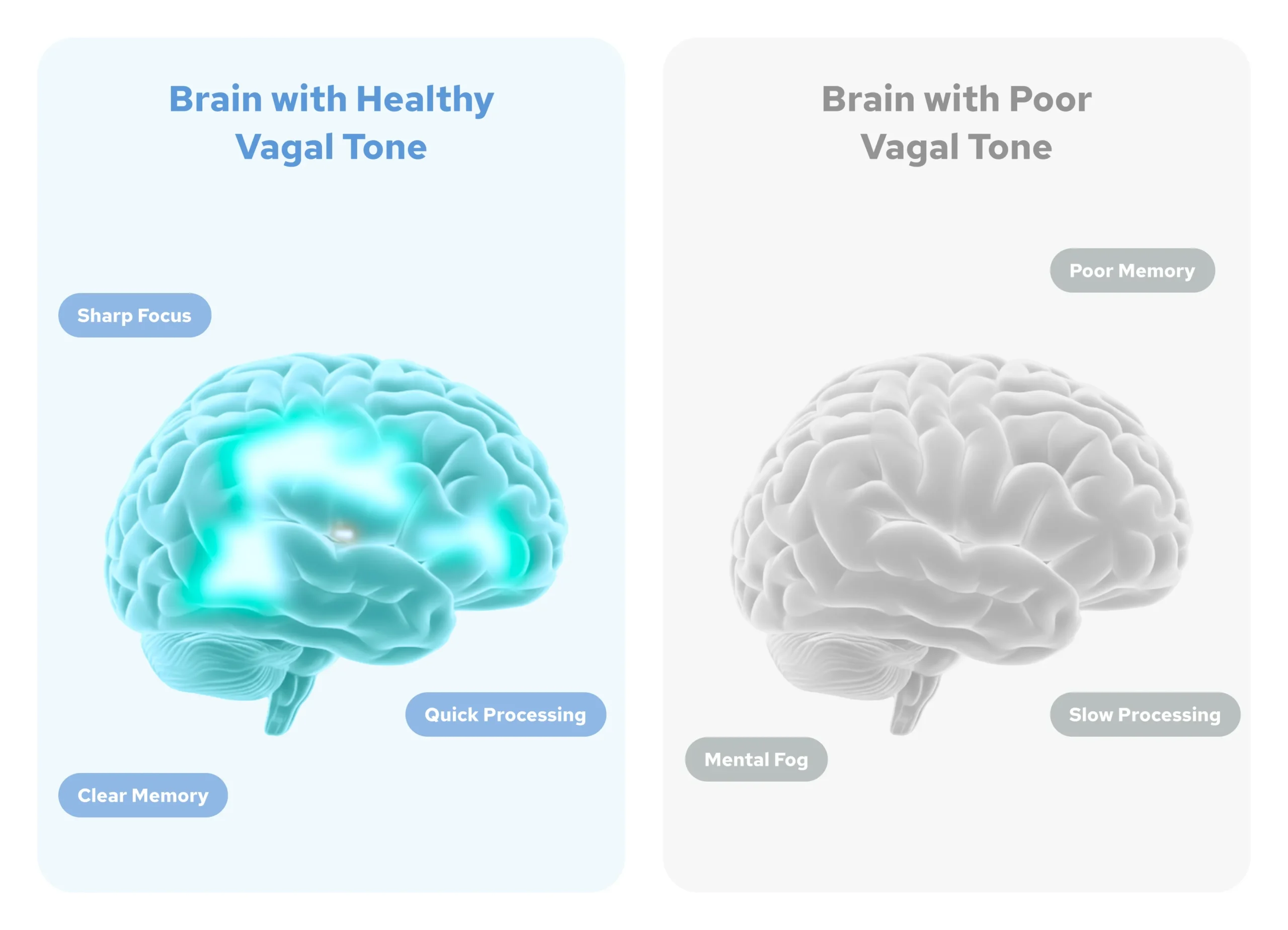

¿La niebla mental te está robando tu concentración y motivación?
Pregúntate a ti mismo
- ¿Repasas la misma frase varias veces porque nada te queda?
- Te olvidas de tareas simples, como por qué entraste en una habitación?
- ¿Te sientes mentalmente agotado incluso cuando tu cuerpo está en reposo?
- ¿Te cuesta seguir las conversaciones, teniendo que decidir a mitad de la frase?
Mecanismos Fisiológicos::
- Corteza prefrontal subactivada: Fatigue-related nervous system dysfunction dampens the “focus hub” of the brain, impairing concentration.
- Desequilibrio de neurotransmisores: El tono vagal bajo altera la dopamina y la acetilcolina, sustancias químicas críticas para la atención y la motivación.
- Neuroinflamación: Chronic fatigue is linked to brain inflammation that slows mental processing like a computer running on outdated software.
Clinical research shows taVNS can influence brain networks involved in attention and working memory, with some studies reporting improvements in focus and mental clarity.
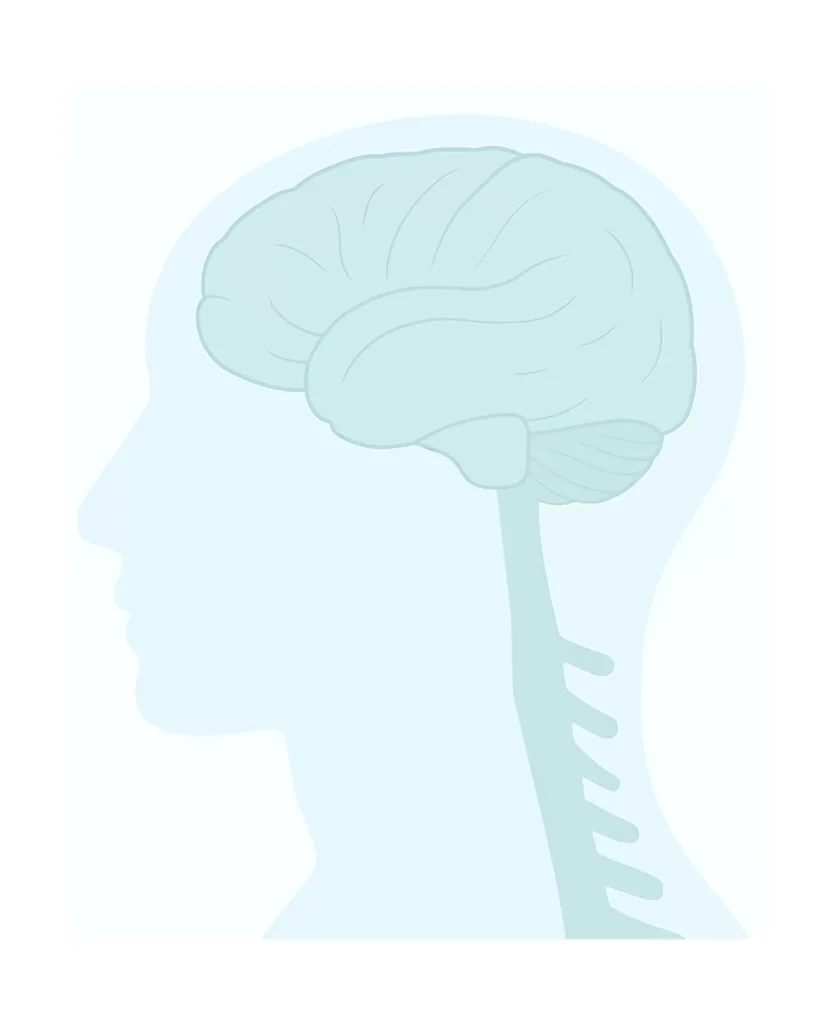

¿Sientes que tu cuerpo nunca se recupera?
Pregúntate a ti mismo
- Do even simple activities—like climbing stairs or grocery shopping—leave you wiped out?
- ¿Los entrenamientos te hacen "colapsar" durante días, en lugar de energizarte?
- ¿Sientes los músculos y las articulaciones doloridos e inflamados incluso después de descansar?
- ¿Sientes que tu cuerpo ha perdido su capacidad de recuperarse?
Mecanismos Fisiológicos::
- Disfunción autonómica: La mala señalización del vagus mantiene tu sistema en modo catabolico (de descomposición), impidiendo procesos anabólicos (de reparación).
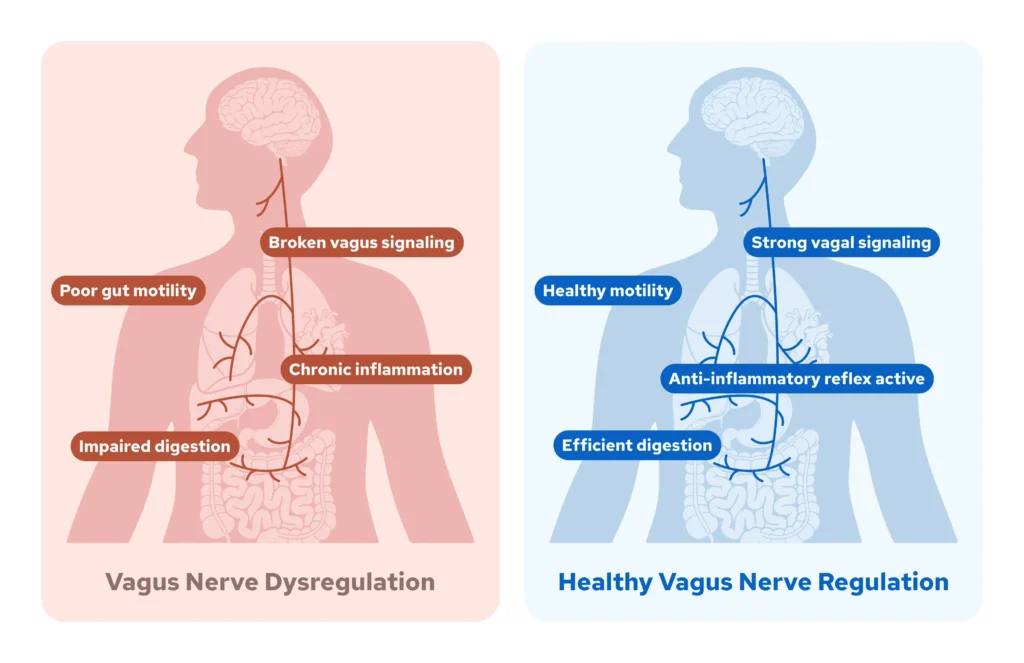
- Bloqueo de la inflamación: Without vagal activation of the anti-inflammatory reflex, cytokines like IL-6 remain elevated, perpetuating fatigue and pain.
- Colapso del sistema de recuperación: HRV studies show fatigued individuals lack the parasympathetic surges needed for tissue repair after stress or exertion.
En un ensayo clínico aleatorizado, la taVNS redujo la gravedad del insomnio en comparación con el grupo de control, lo que sugiere un papel en el apoyo a un sueño más profundo y reparador.

Is Your Fatigue Affecting Mood and Resilience?
Pregúntate a ti mismo
- ¿Te sientes emocionalmente apático, desvinculado o desmotivado?
- ¿Los pequeños factores de estrés te parecen abrumadores, como si no te quedaran reservas?
- ¿Sientes tristeza o irritabilidad más a menudo cuando el agotamiento alcanza su punto máximo?
- ¿Evitas actividades que alguna vez amaste simplemente porque "no tienes la energía"?
Mecanismos Fisiológicos::
- Fallo de comunicación vagal-cerebro: La mala señalización vagus altera los neurotransmisores que regulan el estado de ánimo, alimentando estados depresivos o ansiosos.
- Bucle de retroalimentación energía-emoción: Exhaustion magnifies negative thoughts, while low mood further saps energy—a cycle rooted in autonomic imbalance.
- Perturbación del hipocampo: Chronic fatigue and stress reduce hippocampal volume, impairing both energy regulation and emotional resilience.

Does Fatigue Disrupt Your Digestion and Immunity?
Pregúntate a ti mismo
- ¿Te sientes hinchado o incómodo después de las comidas, como si tu intestino no pudiera seguir?
- ¿Tienes resfriados frecuentes o una recuperación lenta de enfermedades menores?
- ¿Tienes hábitos intestinales impredecibles, alternando entre lentitud y urgencia?
- ¿Las semanas estresantes dejan tu estómago y energía igualmente destrozados?
Mecanismos Fisiológicos::
- Disfunción del eje intestino-cerebro: El tono vagal bajo reduce la secreción de las enzimas digestivas y la motilidad intestinal, dejando los alimentos mal digeridos y los nutrientes subutilizados.
- Desregulación inmune: La activación de vagus pobre reduce las vías antiinflamatorias, dejando el sistema inmunitario débil y hiperactivo.
- Desequilibrio microbioma: Vagal dysfunction contributes to microbiome disruption that worsens fatigue via gut-derived inflammation.
How the Vagus Nerve Is Connected to Sleep Issues
The vagus nerve plays a central role in regulating restorative sleep cycles.
It signals the body to slow the heart rate, calm the stress response, and transition into deep, restorative rest.
When this nerve becomes dysregulated — something increasingly recognized in post-viral conditions — the nervous system can get “stuck” in a state of hyperarousal.
The result is difficulty falling asleep, restless nights, or waking up unrefreshed despite hours in bed. Over time, this lack of quality sleep contributes to persistent fatigue, brain fog, and poor recovery.
VNS as a Solution to Sleep Issues
This is why researchers are studying non-invasive vagus nerve stimulation (VNS) as a way to support healthier sleep.
By gently stimulating the vagus nerve through the ear, VNS can encourage a shift out of “fight-or-flight” mode and back into the “rest-and-digest” state needed for deep, restorative rest.
Nurosym delivers this approach in a CE-marked home device, designed to be simple and drug-free.
Many users describe the sensation as a light tingling and report more consistent, restorative sleep after regular use — often alongside improvements in daytime energy and mental clarity.
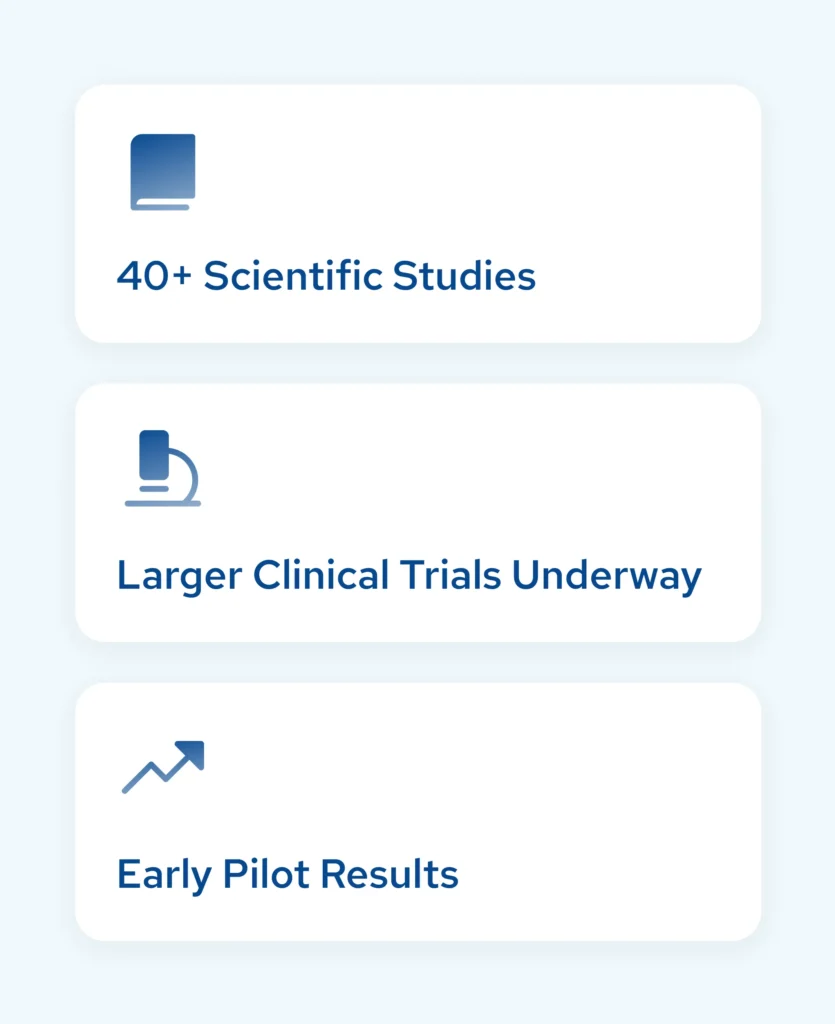
Early pilot studies in post-viral fatigue cohorts also show encouraging signals, with larger clinical trials underway.
Cómo elegir un estimulador del nervio vago
Con la gran variedad de dispositivos disponibles en el mercado, es importante investigar bien y elegir el que mejor se adapte a tus necesidades. Lo más importante es asegurarte de que la intervención que estás considerando haya sido científicamente probada para actuar sobre el nervio vago.
Estos son algunos de los factores clave que hay que tener en cuenta a la hora de tomar una decisión:
- Consulte con su profesional de la salud
Antes de comenzar cualquier nueva intervención médica, siempre es recomendable consultar primero con un profesional sanitario. Para la estimulación del nervio vago, elija un neurólogo o especialista que esté familiarizado con los dispositivos de VNS, para que pueda aconsejarle correctamente sobre si le ayudará con sus síntomas específicos. - Compatibilidad con tus síntomas
Los dispositivos VNS están diseñados para mejorar síntomas específicos, como estados depresivos, cansancio crónico, problemas gastrointestinales y confusión mental. Asegúrate de que la estimulación del nervio vago haya sido estudiada y evaluada en cuanto a su eficacia para tus necesidades de salud específicas. Los dispositivos VNS también tienen diferentes ubicaciones de estimulación, como el cuello y la oreja. Sensate, que no es un dispositivo VNS, afirma estimularlo a través del pecho. Sin embargo, Nurosym’Tanto el enfoque AVNT como el de Gammacore tienen evidencia científica de una focalización precisa y seguridad. Otros enfoques en cualquier lugar son, en el mejor de los casos, tocar el piano fuera de tono y, en el peor, activamente peligrosos. - Seguridad y certificación como dispositivo portátil
Muchos dispositivos afirman ser dispositivos VNS y ser seguros, pero es importante evaluar la investigación científica realizada sobre cada dispositivo para comprender su perfil de seguridad. Sensate y Pulsetto afirman que activan el nervio vago, pero no tienen ninguna evidencia científica que lo confirme. Los diferentes métodos de estimulación del nervio vago también están asociados a diferentes efectos secundarios, por lo que es conveniente comprender todos los riesgos antes de comprar. Los dispositivos que han obtenido la certificación Wearable Device son fundamentales, ya que esta certificación requiere rigurosas pruebas de calidad y estudios de seguridad para garantizar que no dañan el sistema nervioso. - Eficacia e investigación
Asegúrese de buscar dispositivos respaldados por investigaciones científicas y, a ser posible, estudios controlados con placebo. Un dispositivo de buena reputación habrá publicado investigaciones que respalden sus afirmaciones. Las pruebas aleatorias controladas con placebo garantizan que los efectos de un dispositivo no se basan en el placebo, lo que da confianza en los beneficios terapéuticos reales del dispositivo. Del mismo modo, los estudios revisados por pares reducen el riesgo de resultados sesgados y demuestran la credibilidad del dispositivo probado.Muchos dispositivos citan investigaciones genéricas sobre la VNS, pero no han realizado ningún estudio de seguridad y eficacia sobre su dispositivo. El hecho de que un dispositivo emita una corriente eléctrica en la zona donde se encuentra el nervio vago no garantiza que active el nervio vago ni que tenga un impacto positivo en él. La mayoría de las investigaciones sobre la estimulación del nervio vago se realizaron con métodos invasivos, no con dispositivos portátiles. Por lo tanto, un dispositivo portátil que hace referencia a investigaciones invasivas sobre la VNS está tergiversando los datos para vender su producto.
- Estimulación frente a modulación
También es importante tener en cuenta que algunos dispositivos, como Pulsetto o GammaCore, proporcionan una estimulación de alta intensidad que puede aumentar la probabilidad de efectos secundarios y puede perjudicar a las personas con síntomas crónicos cuyo sistema nervioso ya está desregulado. Nurosym con 45 niveles de energía ofrece un control preciso de la modulación para proporcionar los mismos beneficios con menos riesgos.
- Precio
El dispositivo que elijas debe ajustarse a tu presupuesto. Algunos dispositivos tienen un modelo de suscripción que requiere pagos continuos a lo largo del tiempo. Otros, como Nurosym y Sensate son compras únicas. Dado que los beneficios del uso de la VNS requieren un uso constante, cuanto más se utilicen, mejores serán los resultados. Por lo tanto, al considerar la adquisición de un dispositivo, piense a largo plazo en cómo se acumularían los costes de su uso prolongado. Tomando Nurosym por ejemplo, el coste medio del dispositivo es de aproximadamente 2 euros al día durante un año, y después ya no hay que realizar más pagos. Por su parte, GammaCore viene precargado con sesiones para tres meses. Después, será necesario adquirir más sesiones para seguir utilizándolo. Pulsetto ofrece una suscripción de pago a la aplicación, por lo que los costes de uso a largo plazo pueden acumularse.
Protocolo de pruebas
Dado que estos dispositivos NO son iguales, es esencial evaluar cuidadosamente sus características, efectividad y experiencia del usuario antes de tomar una decisión. Así que nos propusimos comparar cuatro de los dispositivos más populares que las personas compran para la estimulación del nervio vago: Pulsetto, Sensate, Gammacore y Nurosym. Sin embargo, es importante señalar que, a diferencia de Nurosym y GammaCore, Pulsetto y Sensate no son dispositivos VNS certificados.
Para realizar una comparación precisa, cada dispositivo fue evaluado por un equipo de doctores y profesionales sanitarios. Utilicé cada dispositivo durante un mes, con un descanso de un mes entre cada uno para evitar cualquier efecto residual. Empecé con Sensate, luego Pulsetto, Nurosym, y por último, GammaCore.
Aquí están los resultados y las clasificaciones:
| Nurosym | Gammacore | Pulsetto | Sensorial | |
| Evaluado y respaldado por estudios científicos revisados por pares y controlados con placebo | ✓ | ✓ | Χ | Χ |
| Número de estudios científicos realizados | 40+ | 20+ | 0 | 0 |
| Inversión en estudios científicos | $10M+ | $50M+ | $0 | $0 |
| Se puede usar sin aplicación | ✓ | Χ | Χ | Χ |
| Disponible sin receta médica | ✓ | Χ | ✓ | ✓ |
| Modo de acción | Terapia de neuromodulación vagal auricular (AVNT) | Estimulación no invasiva del nervio vago cervical (ncVNS) | Sin modo de acción validado. | Sin modo de acción validado. |
| Zona de aplicación | Rama auricular del nervio vago | Rama cervical del nervio vago | Cuello | Pecho |
| Entrega | Propio (Eléctrico) | Propio (Eléctrico) | Eléctrico | Vibración |
| Agradabilidad de la estimulación | Agradable, suave | Más intenso, puede apretar la mandíbula. | Más intenso | Sin estimulación directa, vibración agradable. |
| ¿Es necesario usar gel? | Sin | Sí | Sí | Sin |
| Duración de la batería | >1 mes | 1 semana | 1 semana | 1 semana |
| Fácil de llevar de viaje | Sí | Sin | Sin | Sí |
| Tipo de dispositivo que requiere revisión y aprobación reglamentaria antes de su comercialización | Obligatorio | Obligatorio | Obligatorio | Χ |
| Aprobado para uso público | ✓ | ✓ | Χ | n/a |
| Dispositivo portátil certificado | ✓ | ✓ | Χ | Χ |
| Proceso de evaluación médica en la compra | ✓ | ✓ | Χ | Χ |
| Controles de seguridad documentados | ✓ | ✓ | Χ | Χ |
| SAE (eventos adversos graves) notificados en un estudio científico | 0 | 0 | No hay evaluación científica. Se han notificado efectos adversos en Internet. | Sin evaluación científica. |
| Perfil de riesgo | Bajo riesgo según estudios científicos | Bajo riesgo según estudios científicos | Alto riesgo debido a la falta de estudios científicos e informes de usuarios | Bajo riesgo basado en la entrega (vibración) |
| Coste inicial | £599 | 350 £ (solo los primeros 3 meses) | £209.20 | £299 |
| Costes adicionales | £0 | 466 £ cada 3 meses | 99,99 £ al año. Aplicación de pago con más funciones | 50 £ al año. Aplicación de pago con más funciones |
| Coste total estimado durante 5 años de uso diario | £599 | £10,718 | £709.15 | £549 |
| Recomendación general | Nuestra mejor selección - Muy recomendable | Recomendado para personas que sufren de dolor de cabeza | No recomendado |
Se puede utilizar como herramienta complementaria |
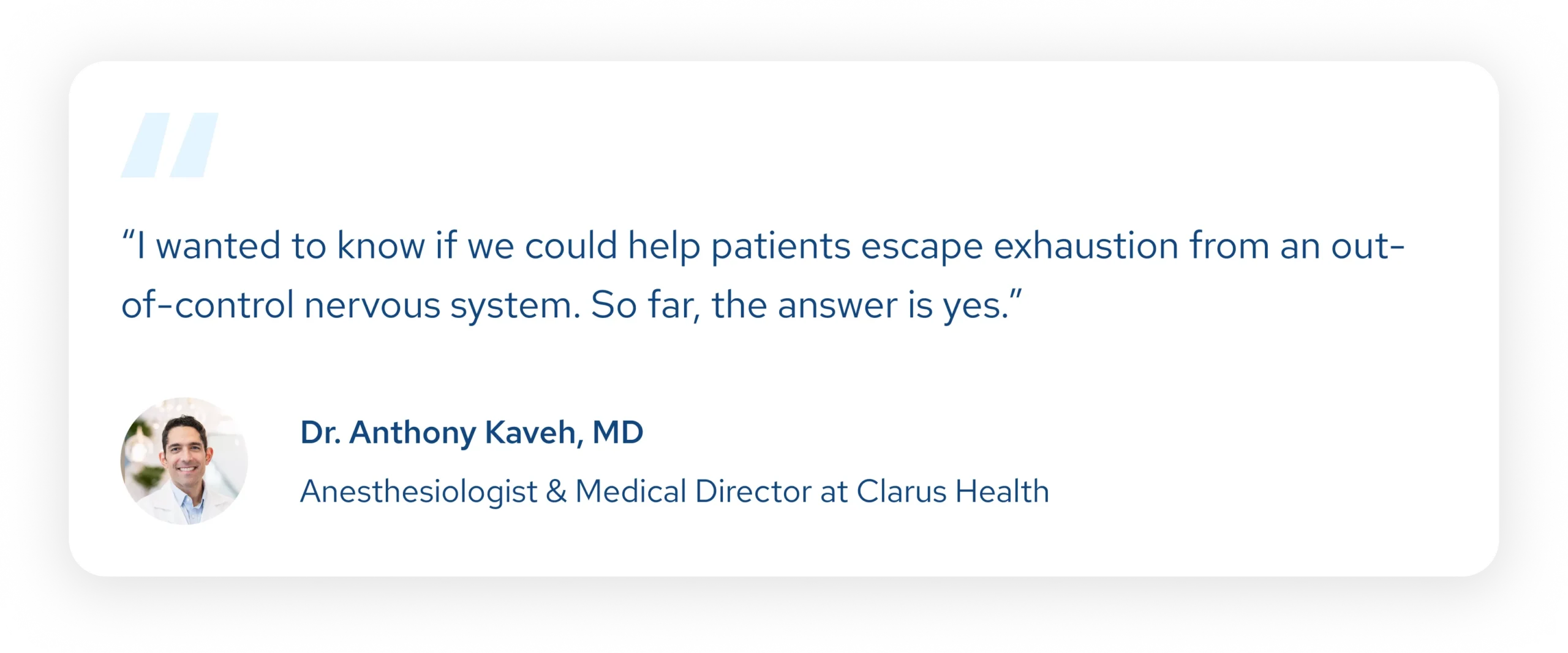
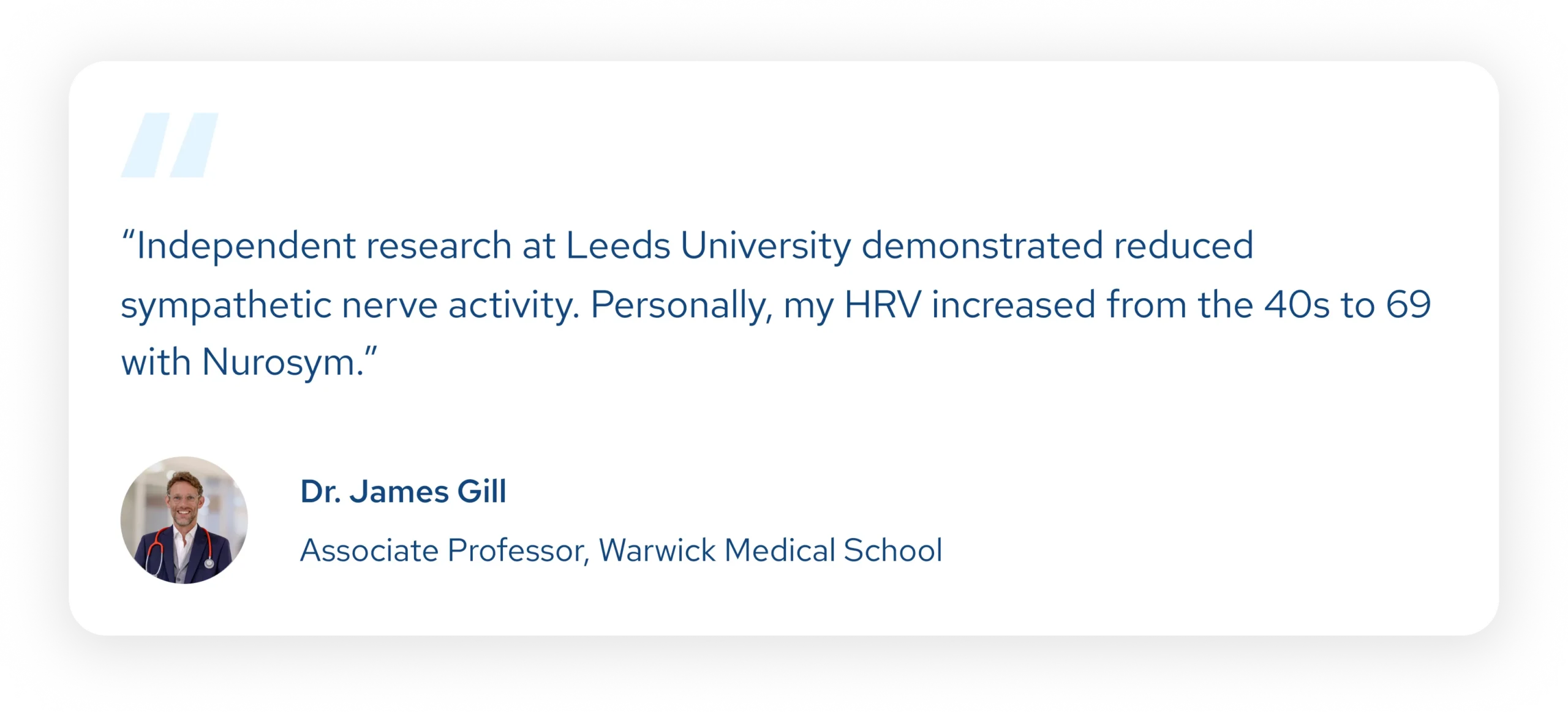
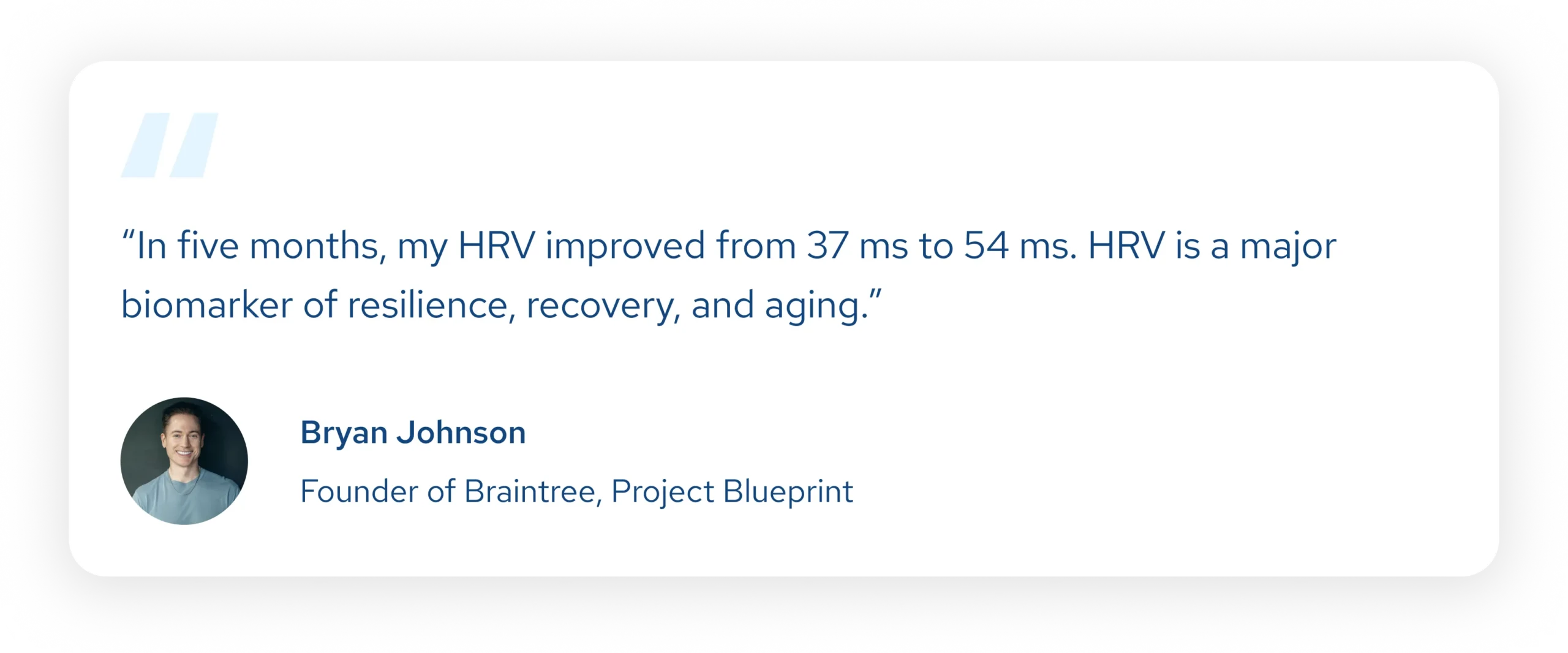
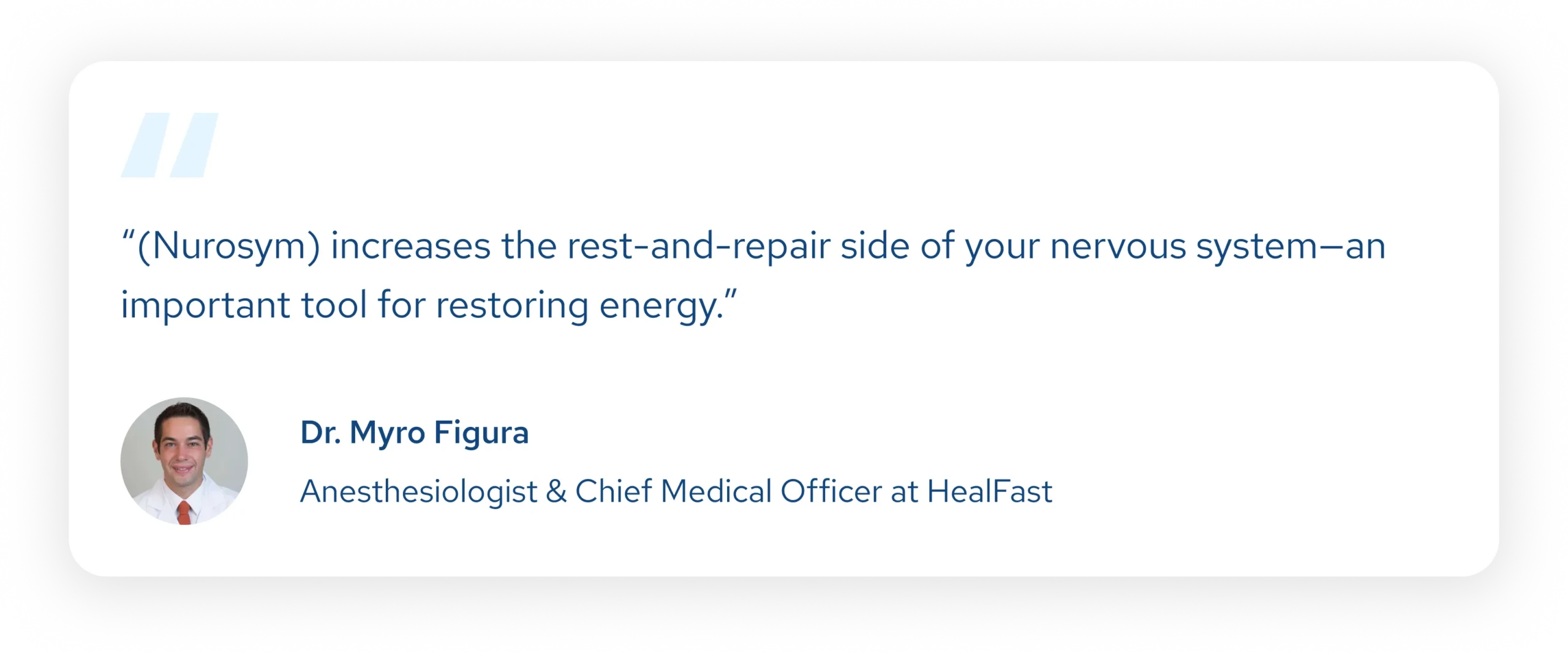
Endorsed by Leading Fatigue & Recovery Specialists
Resultados reales de personas reales
“After years of exhaustion, I feel my energy slowly returning. I finally enjoy my weekends again.”
– Kate
“From post-viral dysautonomia, I finally got a foothold out of exhaustion.”
– Sarit
“After my first session, my anxiety lifted and my energy noticeably improved. Within weeks, I could exercise again without crashing.”
– Post-COVID user
“From constant crashes to fewer ‘rough days’—the difference was immediate.”
– Postural heart rate abnormalities sufferer
Conozca a los doctores
Médico psiquiatra en ejercicio, Elisabetta tiene un MBA de la Escuela de Negocios INSEAD y experiencia en atención directa al paciente, investigación en neurociencia, comunicación y gestión. La Dra. Burchi es una médico-científica, trabajando con Parasym en asuntos clínicos con un historial de publicaciones en las revistas científicas más importantes como The Lancet, escribiendo propuestas de subvención exitosas para el NIH, y liderando la producción de material editorial, clínico, regulatorio y promocional en equipos multidisciplinarios colaborativos. La Dra. Burchi también ha coordinado ensayos clínicos e implementado una práctica de telemedicina que recibió una certificación de excelencia entre más de 100,000 profesionales.

Dr. Elisabetta Burchi, MD, MBA
Líder de investigación traslacional en Parasym
Take Control of Your Fatigue Naturally
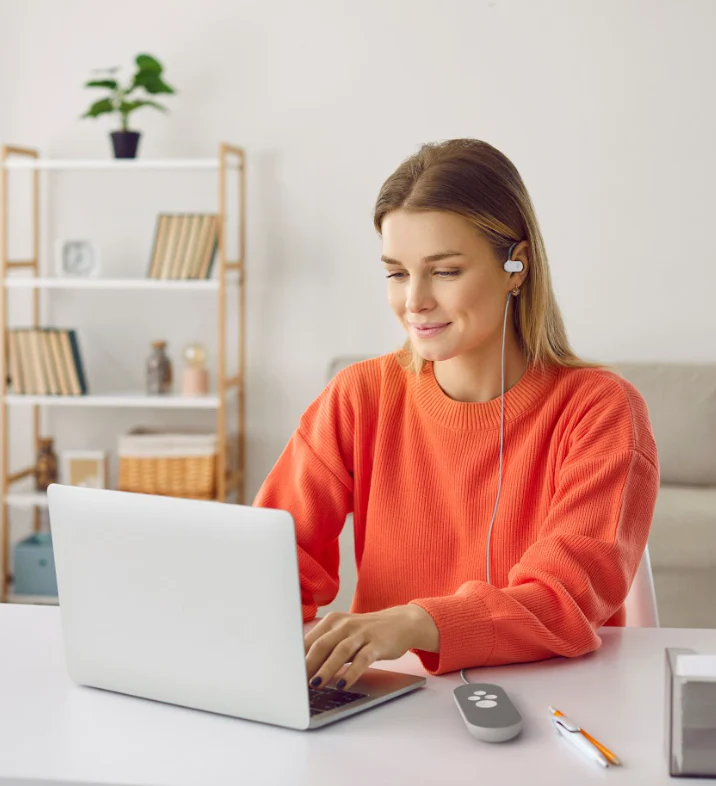
Únete a miles que han recuperado su energía de forma natural.
Participate in the fatigue recovery research study and save €70 on your Nurosym device.
*La evaluación para participar en el estudio toma menos de 3 minutos.
50+
Estudios clínicos referenciados
4M+
Sesiones impartidas
30
Días de devolución de dinero
Dispositivo médico certificado
Únete a miles que han recuperado su energía de forma natural.
Participate in the fatigue recovery research study and save €70 on your Nurosym device.
*La evaluación para participar en el estudio toma menos de 3 minutos.
50+
Estudios clínicos referenciados
4M+
Sesiones impartidas
30
Días de devolución de dinero

Dispositivo médico certificado
Garantía de devolución del dinero de 30 días
Cada kit Nurosym está respaldado por una política de 30 días de reembolso completo si los usuarios no están satisfechos con su progreso.
Tienes preguntas? Aquí está todo lo que necesitas saber
Síntomas que estudiamos
Estos síntomas se han vinculado con el desequilibrio del sistema nervioso autónomo y la alteración de los nervios vagos:
- Estados de ansiedad y síntomas relacionados con el estrés
- Cansancio crónico, fatiga, niebla mental, agotamiento
- Problemas digestivos, reflujo intestinal irritable, diarrea, estreñimiento, hinchazón
- Problemas de sueño
- Pensamiento negativo
- Síntomas inflamatorios
- Dolor, dolores de cabeza
- Problemas de memoria y atención
- Anomalías del ritmo cardíaco postural o desmayos
- Síntomas posvirales
- Dolor corporal generalizado
Nuestros últimos datos de investigación también sugieren que Nurosym mejora el aprendizaje y la memoria y cognición a corto plazo.
También se ha demostrado que Nurosym promueve la relajación, el estado de ánimo, el sueño, una digestión saludable y un aumento del VHR, así como alivia los síntomas de estrés, agotamiento y fatiga adrenal.
La investigación del parasimo también está investigando el impacto de la neuromodulación en el rendimiento atlético, la recuperación muscular, los problemas de control de peso, la dependencia de sustancias y más.
If you’re not sure if Nurosym is for you consult with your health professional.
¿Cuándo puedo empezar a sentir los efectos?
El plazo para experimentar los efectos de Nurosym varía. Las personas con síntomas severos pueden notar mejoras dentro de 1 a 3 días, mientras que otros pueden ver resultados dentro de 4 a 6 semanas. Puede estar seguro de que los beneficios transformadores de Nurosym estarán al alcance de la mano.
Nurosym está a salvo?
Neuromodulation via Nurosym is considered safe when used as intended.
Nurosym tiene estos certificados.
- Se basa en pruebas científicas
- Es seguro de usar
- Ha demostrado su eficacia científica
Asegúrese de leer la información de seguridad importante antes de usar. Miles de usuarios han probado el dispositivo y no se han reportado efectos adversos graves en los estudios hasta la fecha.
¿Cómo se siente?
Se siente como una agradable y ligera vibración o sensación de hormigueo en el oído.
¿Hay costos adicionales o cuotas de suscripción?
No hay costos o tarifas adicionales, solo la compra única del Nurosym.
Antes de usar Nurosym
Lea las instrucciones de uso antes de usar Nurosym. Sin embargo, es posible que esto no sea suficiente para explicar completamente el uso seguro y efectivo de Nurosym en su situación particular. Pregunte a su profesional de la salud o póngase en contacto con Nurosym care si tiene alguna pregunta sobre cómo usar Nurosym o necesita más aclaraciones.
Utilice Nurosym únicamente como se describe en las instrucciones de uso o según lo indique su profesional sanitario. Retire las joyas que puedan interferir con la ubicación del electrodo (pendientes, etc.) antes de usar Nurosym. No use Nurosym si la piel del tragus está rota, agrietada o entumecida.
¿Cuál es la diferencia entre Nurosym y otros dispositivos que dicen estimular el sistema nervioso?
Nota de seguridad importante: Exponer el sistema nervioso a corrientes eléctricas no probadas o usar dispositivos DIY de estimulación eléctrica transcutánea del nervio (TENS) conlleva riesgos, incluyendo daño potencial al nervio. Prioriza la seguridad y la eficacia en tu elección.
Los dispositivos que dicen afectar el nervio vago difieren significativamente, afectando su efectividad y seguridad. Incluso pequeñas diferencias en factores como la forma de onda y la ubicación del sitio pueden producir resultados notables. Más importante aún, el nivel de evidencia científica es crucial.
Nurosym is the leading non-invasive vagal neuromodulation system used in scientific research– with over $10M deployed in scientific studies, 50+ published papers in leading journals covering our exciting and scientifically significant results. Their device is one of a few registered medical devices with safety & efficacy confirmed by regulatory bodies in EU.
¿Cuánto tiempo debo usar Nurosym cada día para obtener resultados óptimos?
They recommend using Nurosym for 1 hour each day, however, benefits can be seen with as little as 15 minutes of use.
¿Puedo realizar otras actividades mientras lo uso?
Sí, puedes experimentar los beneficios de la neuroestimulación en cualquier lugar y momento mientras realizas cualquier actividad.
¿Necesito una receta para comprar Nurosym?
No. However, they recommend that you consult with your health professional if you’re unsure whether Nurosym is right for you.
¿Cuáles son los detalles de su garantía de 30 días?
If you try Nurosym daily for 30 days and aren’t happy with your results, they’ll send you a fund refund. No questions asked.
Given the remarkable results Nurosym has had in scientific studies and with their customers around the world, they’re confident in its health restoring effects. Their goal will always be to restore your collective health – restoring health for as many people as they can and in turn, restoring the health of our planet. If Nurosym doesn’t work for you for any reason, they’re happy to send you a refund. This refund period is available 30 days after the date of purchase and expires the following week (37 days after the date of purchase).
¿Nurosym viene con una garantía?
Yes! They offer a one-year warranty with every Nurosym device.
¿Cuánto tiempo tardan los pedidos en enviarse?
Los pedidos se procesan y envían dentro de 1-3 días hábiles.
¿Cuándo llegará mi pedido?
Nurosym se envía a través de mensajeros priorizados, rastreados y firmados, por lo que los tiempos de entrega variarán según la ubicación del envío. Cuando realices la compra, recibirás una estimación del tiempo de envío de tu pedido.
¿Qué hay en el paquete Nurosym?
- Dispositivo Nurosym
- Auricular
- Cargador USB
- Caso
- Guía de inicio rápido
Cómo usar Nurosym?
REFERENCIAS:
- Chakraborty, P., Farhat, K., Morris, L., Whyte, S., Yu, X., & Stavrakis, S. (2023). Non-invasive vagus nerve stimulation in postural orthostatic tachycardia syndrome. Arrhythmia & Electrophysiology Review, 12, e31. https://doi.org/10.15420/aer.2023.20
- Diedrich, A., Urechie, V., Shiffer, D., Rigo, S., Minonzio, M., Cairo, B., Smith, E. C., Okamoto, L. E., Barbic, F., Bisoglio, A., Porta, A., Biaggioni, I., & Furlan, R. (2021). Transdermal auricular vagus stimulation for the treatment of postural tachycardia syndrome. Autonomic Neuroscience, 236, 102886. https://doi.org/10.1016/j.autneu.2021.102886
- Geng, D., Liu, X., Wang, Y., & Wang, J. (2022). The effect of transcutaneous auricular vagus nerve stimulation on HRV in healthy young people. PLOS ONE, 17(2), e0263833. https://doi.org/10.1371/journal.pone.0263833
- Kim, A. Y., Marduy, A., de Melo, P. S., Gianlorenço, A. C., Kim, C. K., Choi, H., Song, J.-J., & Fregni, F. (2022). Safety of transcutaneous auricular vagus nerve stimulation (taVNS): A systematic review and meta-analysis. Scientific Reports, 12, 22055. https://doi.org/10.1038/s41598-022-25864-1
- Stavrakis, S., Chakraborty, P., Farhat, K., Whyte, S., Morris, L., Asad, Z. U. A., Karfonta, B., Anjum, J., Matlock, H. G., Cai, X., & Yu, X. (2024). Noninvasive vagus nerve stimulation in postural tachycardia syndrome: A randomized clinical trial. JACC: Clinical Electrophysiology, 10(2), 346–355. https://doi.org/10.1016/j.jacep.2023.10.015
- Zheng, Z. S., Simonian, N., Wang, J., & Rosario, E. R. (2024). Transcutaneous vagus nerve stimulation improves Long COVID symptoms in a female cohort: A pilot study. Frontiers in Neurology, 15, 1393371. https://doi.org/10.3389/fneur.2024.1393371
- Kim, H.-G., Cheon, E.-J., Bai, D.-S., Lee, Y. H., & Koo, B.-H. (2018). Stress and heart rate variability: A meta-analysis and review of the literature. Psychiatry Investigation, 15(3), 235-245. https://doi.org/10.30773/pi.2017.08.17 – This meta‐analysis highlights how diminished HRV (reflecting lower vagal tone) is associated with chronic stress and fatigue outcomes, supporting the article’s link between poor autonomic regulation and fatigue.
- Michels, N., Sioen, I., Boone, L., Bammann, K., Fernández‐Alvira, J. M., Vyncke, K., … & Huybrechts, I. (2013). Longitudinal associations between systemic inflammation and HRV in children: The LISAplus study. Brain, Behavior, and Immunity, 27(1), 102-109. https://doi.org/10.1016/j.bbi.2012.07.018 – This study supports the article’s claim that reduced vagal (parasympathetic) activity is linked to elevated inflammation (a contributor to fatigue). It shows inflammation ↔ HRV associations over time.
- Heathers, J. A. J., Goodwin, P., Kelly, O., & Livingstone, S. (2021). Exhaustion symptoms and heart rate variability: Testing the direction of prediction. Scientific Reports, 11, 13406. https://doi.org/10.1038/s41598-022-14743-4 – This study directly links fatigue/exhaustion symptoms with lower HRV (vagal dysfunction), supporting the article’s idea that impaired vagal tone underlies chronic fatigue states
- Laborde, S., Mosley, E., & Thayer, J. F. (2017). Heart rate variability and cardiac vagal tone in psychophysiological research – Recommendations for experiment planning, data analysis, and data reporting. Frontiers in Psychology, 8, 213. https://doi.org/10.3389/fpsyg.2017.00213 – This review emphasizes HRV as a valid marker of vagal tone and describes how vagal regulation underpins fatigue, stress, and recovery—key to the article’s premise about beating fatigue via improved vagal tone.
- Lehrer, P., & Gevirtz, R. (2014). Heart rate variability biofeedback: How and why does it work? Frontiers in Psychology, 5, 756. https://doi.org/10.3389/fpsyg.2014.00756 – This article explains how interventions like slow breathing and HRV biofeedback improve vagal tone and thus reduce symptoms like fatigue and low energy—aligning with the article’s “journey beyond sleep & supplements”.
El artículo no constituye en modo alguno un consejo médico. Consulte con un profesional médico autorizado antes de iniciar cualquier tratamiento. Este sitio web puede recibir comisiones por los enlaces o productos mencionados en este artículo.


 Spanish
  English
  German
  French
  Swedish
  Italian