
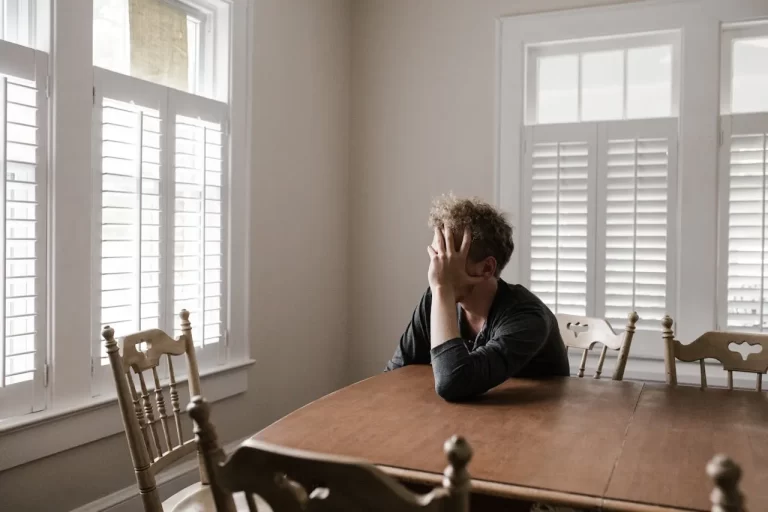
Puntos clave
- Los estados depresivos en los hombres a menudo aparecen como irritabilidad, enojo o exceso de trabajo más que tristeza.
- El estigma social y las normas masculinas contribuyen al subdiagnóstico y a la demora en buscar ayuda.
- Las diferencias biológicas y psicológicas influyen en cómo los hombres experimentan el estrés emocional.
- Las estrategias basadas en la evidencia -como la terapia, la actividad física y la neuromodulación- pueden apoyar la recuperación.
La lucha silenciosa detrás de un rostro estoico
Cada día, aproximadamente 130 hombres en los Estados Unidos se suicidan—una figura trágica que subraya una crisis silenciosa en la salud mental masculina [1]. A diferencia de las representaciones populares de la depresión, muchos hombres que experimentan estados depresivos no lloran, se retiran silenciosamente o expresan sentimientos de tristeza. En lugar de ello, pueden parecer enojados, inquietos o obsesionados con el trabajo. Algunos recurren al alcohol, a comportamientos riesgosos o al aislamiento como formas de afrontar la situación.
Estas diferencias en cómo los hombres expresan el malestar a menudo hacen que los estados depresivos sean más difíciles de reconocer, tanto para los seres queridos como para los propios hombres. "Los hombres están socializados para ser estoicos", observa el Dr. Michael Addis, un psicólogo que estudia la masculinidad y la salud mental. "Ese condicionamiento puede hacer que la apertura emocional se sienta como una violación de la identidad en lugar de un camino a la sanación" [2].
Por qué el reconocimiento temprano es más importante que nunca
Ignorar los estados depresivos en los hombres puede tener consecuencias devastadoras. La investigación muestra que los hombres tienen menos probabilidades que las mujeres de ser diagnosticados con depresión, sin embargo mueren por suicidio a una tasa casi cuatro veces mayor [3]. Estados depresivos no tratados pueden llevar a tensión en la relación, mal desempeño laboral, cansancio crónico e incluso síntomas físicos como dolores de cabeza, problemas para dormir o palpitaciones cardíacas.
Culturalmente, el problema se complica por la expectativa de que los hombres deben "resistir". Esta mentalidad desalienta la vulnerabilidad y la búsqueda de ayuda, permitiendo que los síntomas persistan o empeoren. Reconocer las señales de advertencia -antes de que se intensifiquen- es crucial para la prevención y la recuperación.
Señales ocultas: cuando la angustia parece ira o agotamiento
Mientras que las mujeres a menudo reportan síntomas emocionales como tristeza o llanto, los estados depresivos de los hombres pueden aparecer a través de cambios en la conducta, energía o regulación del estado de ánimo. Las señales comunes pero pasadas por alto incluyen:
- Irritabilidad o arrebatos de ira
- Retirada de los círculos familiares o sociales
- Exceso de trabajo o perfeccionismo como un mecanismo de afrontamiento
- Cambios en el sueño o el apetito
- Uso de sustancias (alcohol, drogas o estimulantes)
- Pérdida de interés en los pasatiempos o la intimidad
- Molestias físicas tales como fatiga, dolor de espalda o problemas digestivos
Según la American Psychological Association, la supresión emocional de los hombres a menudo se manifiesta como comportamientos externalizantes -agresión, impulsividad o adormecimiento-en lugar de la tristeza interna más típica de las mujeres [4].
La biología del agotamiento: cómo el cerebro masculino maneja la carga emocional
La ciencia de los estados depresivos revela importantes distinciones biológicas. Los hombres y las mujeres difieren en sus perfiles hormonales, respuestas al estrés y química cerebral, todos los cuales influyen en la regulación del estado de ánimo. Por ejemplo, niveles de testosterona puede afectar la energía, la motivación y la reactividad emocional [5]. El estrés crónico también eleva cortisol, una hormona que, cuando está persistentemente alta, altera los neurotransmisores como la serotonina y la dopamina involucrados en el equilibrio emocional [6].
Neurológicamente, los estados depresivos alteran la actividad en el corteza prefrontal y amígdala—regiones responsables de la toma de decisiones y el procesamiento emocional. Esto puede explicar por qué algunos hombres experimentan emociones atenuadas, mala concentración o temperamentos rápidos. La inflamación también ha surgido como un factor biológico; se han vinculado marcadores inflamatorios elevados a cambios de humor y fatiga [7].
Entender estos mecanismos ayuda a replantear los estados depresivos como un experiencia de cuerpo entero, no una debilidad de voluntad.
Convertir la conciencia en acción: formas prácticas de reequilibrar el estado de ánimo
Si bien la experiencia de cada persona es única, las estrategias basadas en evidencia pueden apoyar significativamente el bienestar mental en los hombres.
- Terapia de conversación y conexión
La terapia cognitivo-conductual (TCC) y la terapia interpersonal han demostrado reducir los síntomas y mejorar la regulación emocional [8]. Para muchos hombres, comenzar con un formato estructurado y orientado a objetivos hace que la terapia se sienta más accesible. - La actividad física como medicina
El ejercicio regular -ya sea a través de la caminata, el entrenamiento de resistencia o los deportes- tiene efectos antidepresivos mensurables, mejorando tanto el estado de ánimo como la calidad del sueño [9]. - Atención plena y reducción del estrés
Técnicas como la meditación, la respiración profunda o el diario ayudan a manejar los pensamientos ansiosos y reducir el estrés fisiológico. - Hábitos saludables y nutrición
Priorizar las comidas equilibradas, el sueño constante y el uso limitado de alcohol apoya la función de los neurotransmisores y el bienestar general. - Explorar soluciones innovadoras
Las tecnologías emergentes como los sistemas de neuromodulación vagal no invasivos con marca CE ofrecen nuevas formas de regular el estado de ánimo a través de la estimulación suave del nervio vago. Los primeros estudios sugieren una buena tolerabilidad y potenciales beneficios para los resultados relacionados con el estado de ánimo; la mayoría de los efectos secundarios reportados son leves y transitorios. - Saber cuándo ponerse en contacto
Los síntomas persistentes que duran más de dos semanas, la pérdida de interés en las actividades habituales o pensamientos de autolesión requieren atención inmediata por parte de un profesional de la salud o una línea de ayuda.
Cambiar la conversación sobre las emociones masculinas
Reconocer los estados depresivos en los hombres comienza con la empatía y la conciencia. Preguntar a un amigo: "¿Cómo estás-realmente?" o compartir las propias luchas puede abrir puertas a un diálogo significativo. Cuanto más abiertamente hablan los hombres de los desafíos emocionales, mayor es la probabilidad de que encuentren un apoyo efectivo.
Los estados depresivos no son un reflejo de fuerza o debilidad-son un Respuesta humana al estrés, la pérdida y el desequilibrio. El reconocimiento temprano y la intervención pueden restaurar la energía, la claridad y la conexión.
Conclusión: el coraje comienza con una conversación
La salud mental de los hombres merece la misma visibilidad y compasión que cualquier síntoma físico. Entender que los estados depresivos pueden aparecer de maneras inesperadas es el primer paso hacia el cambio: una conversación, un check-in, un pequeño acto de coraje a la vez.
Si usted o alguien que conoce puede estar teniendo dificultades, póngase en contacto con un profesional de la salud de confianza o contacte al 988 Suicidio y Crisis Lifeline de EE.UU.
El artículo no constituye en modo alguno un consejo médico. Consulte con un profesional médico autorizado antes de iniciar cualquier tratamiento. Este sitio web puede recibir comisiones por los enlaces o productos mencionados en este artículo.
Suscríbase gratis para obtener artículos de salud más perspicaces adaptados a sus necesidades.
Fuentes
- CDC. (2023). Suicide Data and Statistics. https://www.cdc.gov/suicide/
- Addis, M. E. (2008). Gender and Depression in Men. Clinical Psychology Review.
- National Institute of Mental Health. (2024). Men and Depression. https://www.nimh.nih.gov
- American Psychological Association. (2022). Depression in Men: Understanding the Signs.
- Zarrouf, F. A., et al. (2009). Testosterone and Depression: Systematic Review and Meta-Analysis. Journal of Psychiatric Practice.
- McEwen, B. S. (2017). Neurobiology of Stress and Adaptation. Physiology & Behavior.
- Miller, A. H., et al. (2009). Inflammation and Its Discontents: The Role of Cytokines in Depression. Biological Psychiatry.
- Cuijpers, P., et al. (2016). The Efficacy of Cognitive Behavioral Therapy: A Meta-Analysis. World Psychiatry.
- Schuch, F. B., et al. (2018). Exercise as a Treatment for Depression: Review and Meta-Analysis. Journal of Psychiatric Research.
- Clancy, J. A., et al. (2021). Non-invasive Vagus Nerve Stimulation and Emotional Regulation. Frontiers in Neuroscience.
- Call, J. B., & Shafer, K. (2018). Gendered manifestations of depression and help seeking among men. American Journal of Men’s Health, 12(1), 41–51. https://doi.org/10.1177/1557988315623993
- Cuijpers, P., Karyotaki, E., Reijnders, M., & Huibers, M. J. H. (2016). How effective are cognitive behavior therapies for major depression and anxiety disorders? A meta-analytic update of the evidence. World Psychiatry, 15(3), 245–258. https://doi.org/10.1002/wps.20346
- Driessen, E., Hollon, S. D., Bockting, C. L. H., Cuijpers, P., & Turner, E. H. (2015). Does publication bias inflate the reported efficacy of psychotherapy for major depressive disorder? A systematic review and meta-analysis. American Journal of Psychiatry, 172(5), 444–455. https://doi.org/10.1176/appi.ajp.2014.14070899
- McEwen, B. S. (2007). Physiology and neurobiology of stress and adaptation: Central role of the brain. Physiological Reviews, 87(3), 873–904. https://doi.org/10.1152/physrev.00041.2006
- Miller, A. H., Maletic, V., & Raison, C. L. (2009). Inflammation and its discontents: The role of cytokines in the pathophysiology of major depression. Biological Psychiatry, 65(9), 732–741. https://doi.org/10.1016/j.biopsych.2008.11.029
- Schuch, F. B., Vancampfort, D., Richards, J., Rosenbaum, S., Ward, P. B., & Stubbs, B. (2016). Exercise as a treatment for depression: A meta-analysis adjusting for publication bias. Journal of Psychiatric Research, 77, 42–51. https://doi.org/10.1016/j.jpsychires.2016.02.023
- Staiger, T., Waldmann, T., Rüsch, N., & Krumm, S. (2020). Masculinity and help-seeking among men with depression: A qualitative study. Frontiers in Psychiatry, 11, 599039. https://doi.org/10.3389/fpsyt.2020.599039
- Zarrouf, F. A., Artz, S., Griffith, J., Sirbu, C., & Kommor, M. (2009). Testosterone and depression: Systematic review and meta-analysis. Journal of Psychiatric Practice, 15(4), 289–305. https://doi.org/10.1097/01.pra.0000358315.88931.fc
- De Smet, S., et al. (2021). Non-invasive vagus nerve stimulation enhances cognitive emotion regulation. Behaviour Research and Therapy, 145, 103933. https://doi.org/10.1016/j.brat.2021.103933
- Ferstl, M., et al. (2024). Non-invasive vagus nerve stimulation conditions increased invigoration and wanting in depression. Comprehensive Psychiatry, 132, 152488. https://doi.org/10.1016/j.comppsych.2024.152488



 Spanish
  English
  German
  French
  Swedish
  Italian
Appreciate the emphasis on protective factors instead of fear-based messaging.
Clear, compassionate, and grounded in data