
La connexion énergétique que la plupart des praticiens ne mentionnent jamais – et pourquoi le propre système de récupération du corps peut être la pièce manquante.
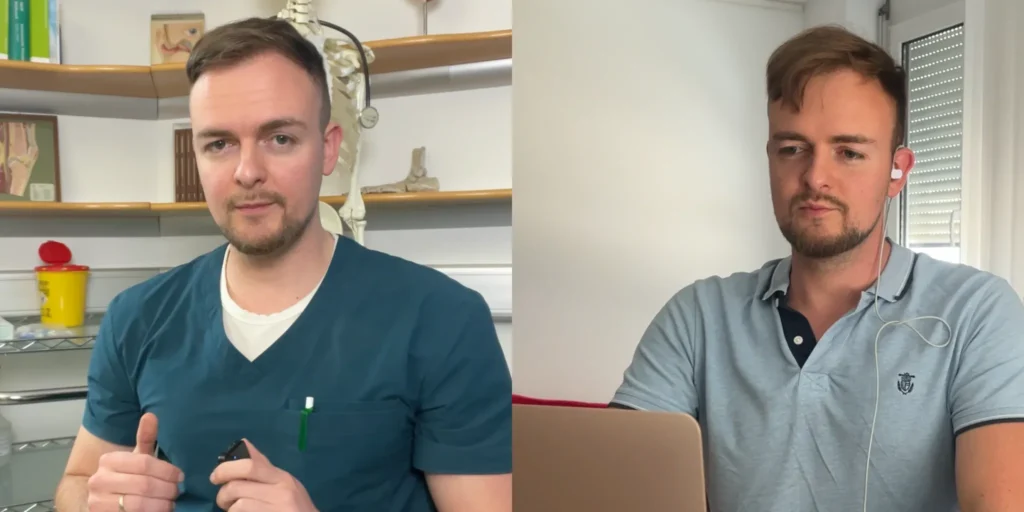
La plupart des gens qui viennent à moi avec de la fatigue font déjà les bonnes choses.
Plus de sommeil. Meilleure nutrition. Magnésium. Ashwagandha. Vitamine D. B12. Plaquettes de fer. Contrôles thyroïdiens.
Et puis ils ajoutent, discrètement : « J’ai tout essayé. Je suis encore épuisé. »
Après 15 ans en médecine fonctionnelle – et ma propre expérience avec le genre de fatigue qui ne répond pas au repos – j’ai commencé à remarquer quelque chose que ni la médecine conventionnelle, ni la plupart des protocoles de suppléments n’ont jamais abordé.
Pendant des années, je n’ai pas pu l’expliquer. Les utilisateurs faisaient tout ce qu’il fallait. Les analyses sanguines s’amélioraient. Et pourtant – l’épuisement persistait.
Finalement, j’ai trouvé la réponse. Et cela a complètement changé ma façon d’aborder la fatigue.
Je vais te montrer exactement ce que je veux dire.
Ce que je continue de voir – et ce que la plupart des approches ratent
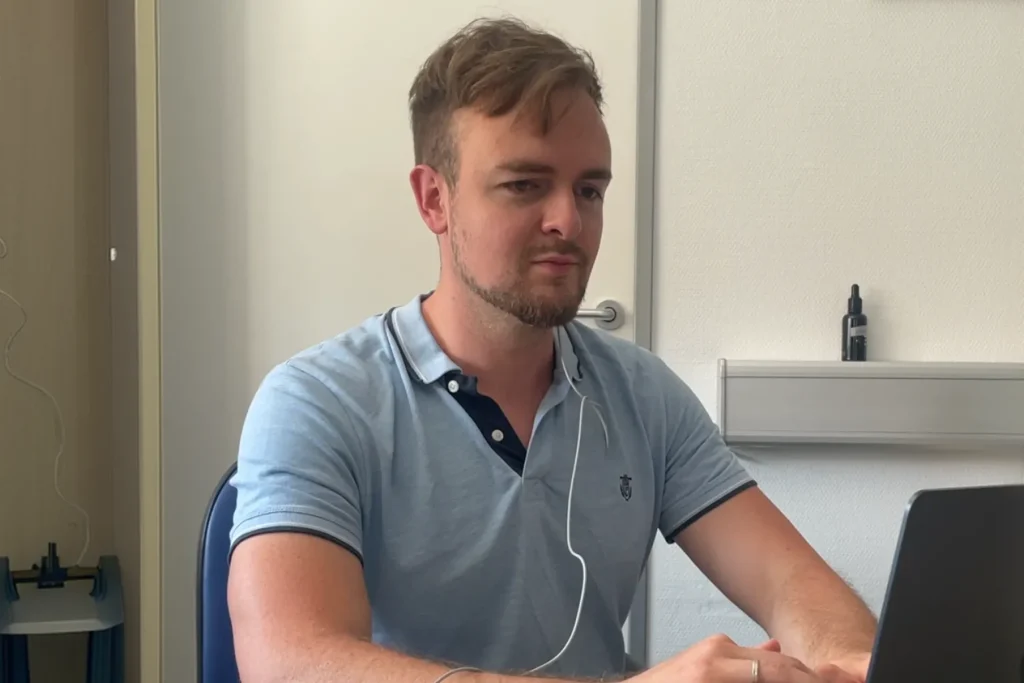
Les gens qui viennent me voir ne sont pas en difficulté parce qu’ils n’essaient pas.
Ils ont tendance à être capables, responsables, souvent la personne dont leur famille ou leur lieu de travail dépend. Ils admettent rarement à quel point ils se sentent réellement épuisés.
Je suis venu à la médecine fonctionnelle en partie à cause de ce modèle – et en partie parce que je l’ai vécu moi-même. Il y a des années, j’ai développé le SIBO, des ballonnements persistants et une fatigue qui ne semblait pas changer la quantité de sommeil. Je faisais tout ce que suggérait mon entraînement conventionnel. Les résultats des laboratoires étaient à la limite de la normale. L’énergie ne l’était pas.
Cette expérience m’a plongé profondément dans la recherche sur l’énergie, l’inflammation et le système nerveux. Et ce que j’y ai trouvé a changé ma façon de comprendre non seulement la santé intestinale – mais aussi la fatigue elle-même.
Ce qu’ils décrivent suit un schéma que je reconnais maintenant immédiatement.
- Le parent de jeunes enfants qui n’a pas dormi une nuit complète depuis trois ans. Elle prend du fer, de la B12, du magnésium. Elle se couche tôt. Elle se réveille et a l’impression de ne pas avoir dormi du tout. Le café cesse de fonctionner à 10h.
- l'aidant naturel - s’occuper d’un parent âgé en plus d’un emploi à temps plein. Il est sur la corde raide depuis si longtemps qu’il a oublié ce que l’on ressent quand on a de l’énergie. Chaque supplément suggéré par son médecin traitant lui a donné un soulagement partiel au mieux.
- Le professionnel sous une pression incessante - des réunions à la chaîne, des échéances qui ne s’arrêtent pas, un téléphone qui ne se tait jamais. Elle fait de l’exercice, mange bien et ne comprend pas pourquoi elle se sent plus épuisée aujourd’hui qu’il y a dix ans alors qu’elle travaillait tout aussi dur.
Un utilisateur l’a décrit de cette façon :
« Je fais tout ce qu’il faut. Je dors, je mange bien, je prends des compléments alimentaires. Je suis toujours à sec. Et je ne sais pas pourquoi. »
Ce qu’aucun d’eux n’avait entendu, c’est ceci :
La fatigue n’est pas toujours un problème de carence. Très souvent, c’est une règlement problème.
Et ce sont deux choses complètement différentes – avec deux solutions complètement différentes.

Le changement de croyance qui change tout
Voici quelque chose qui m’a pris des années de pratique pour bien comprendre – et que je vois rarement expliqué en dehors des cercles spécialisés.
L’énergie ne concerne pas seulement ce que vous y mettez, mais aussi si vos cellules peuvent réellement l’utiliser.
Lorsque le corps est soumis à un stress chronique – dû à la pression du travail, aux soins prodigués, aux exigences familiales, ou simplement à des années de non-récupération complète – le système immunitaire produit des messagers inflammatoires appelés cytokines pro-inflammatoires (petites protéines qui signalent la menace et activent les systèmes de défense du corps).
Considérez les cytokines comme le système d’alarme du corps. Elles sont conçues pour vous aider à survivre aux menaces à court terme. Le problème commence lorsque l’alarme ne s’éteint jamais.
En courtes rafales, c’est utile. En activation chronique, cela devient un problème.
Ces cytokines ne provoquent pas seulement une inflammation. Ils bloquent activement le bon fonctionnement des mitochondries – les structures productrices d’énergie à l’intérieur de vos cellules.
Vous pouvez considérer les mitochondries comme de minuscules centrales électriques à l’intérieur de presque toutes les cellules de votre corps. Lorsqu’elles fonctionnent bien, vous avez de l’énergie. Quand quelque chose les bloque, aucune quantité de sommeil ou de nutrition ne change cela.
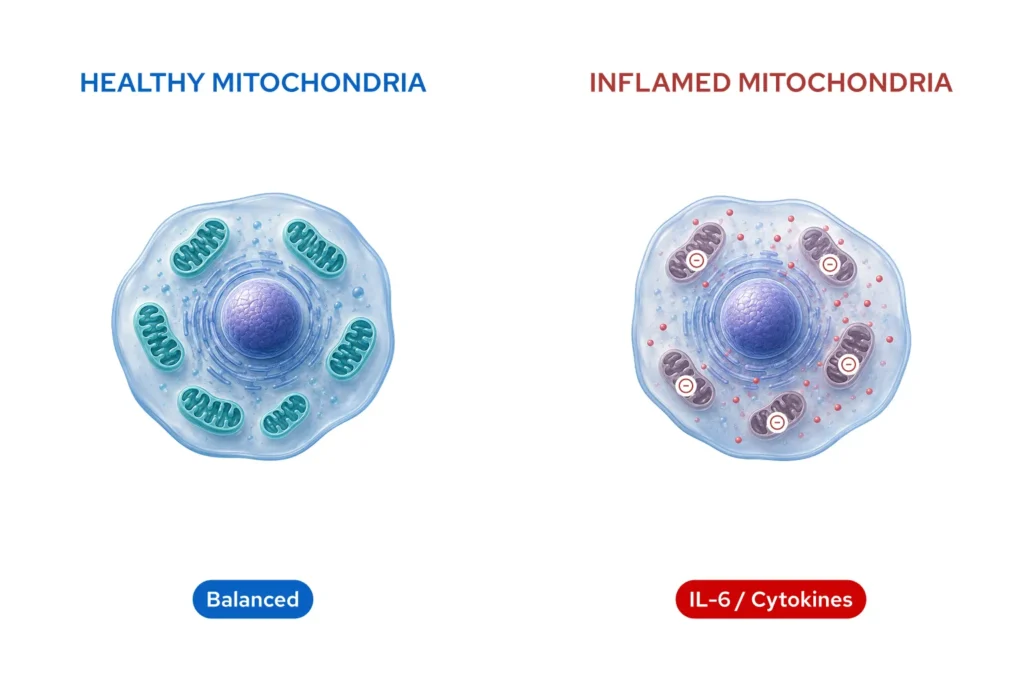
C’est pourquoi les personnes épuisées peuvent dormir 9 heures et se sentir quand même épuisées. C’est pourquoi les suppléments peuvent augmenter les niveaux sur un test sanguin mais pas augmenter l’énergie chez une personne réelle. Le problème n’est pas l’entrée – c’est le système qui la traite.
Le corps a son propre mécanisme pour réguler ces cytokines et restaurer la production d’énergie cellulaire. Et le stress chronique – sous quelque forme que ce soit – semble affaiblir ce système de régulation au fil du temps.
Ce qui m’a laissé avec une question à laquelle je n’arrêtais pas de penser :
réglementaire
« J’ai tout essayé. » Vous l’avez probablement fait. Voici ce qui manque réellement.

Tout ce que la plupart des gens essaient pour se fatiguer a une véritable valeur.
Mais voici ce que je remarque encore et encore en pratique.
- Caféine et boissons énergétiques - la première chose que la plupart des gens recherchent, et c’est compréhensible. Ils travaillent. Pendant quelques heures. Mais la caféine augmente le cortisol, et une élévation prolongée du cortisol aggrave le cycle inflammatoire sous-jacent. La plupart des utilisateurs chroniquement fatigués que je vois boivent du café à 9h - et se demandent pourquoi ils ont un accident à 14h.
- Suppléments - magnésium, B12, fer, vitamine D. Cela augmente les taux dans les analyses sanguines, et parfois c’est important. Mais ils n’expliquent pas pourquoi ces niveaux ont chuté en premier lieu, ni pourquoi les cellules n’utilisent pas ce qui est déjà disponible.
- Adaptogènes - ashwagandha, rhodiola, ginseng. Je les utilise dans ma propre pratique et ils peuvent vraiment favoriser la résilience au stress. Mais ils fonctionnent mieux lorsque le système réglementaire sous-jacent fonctionne. Lorsqu’il ne fonctionne pas, ils soutiennent un tuyau qui fuit plutôt que de le réparer.
- Plus de sommeil - vraiment nécessaire, et la première chose sur laquelle je pose des questions. Mais lorsque le système nerveux est dérégulé, le sommeil devient superficiel et non réparateur, quel que soit le nombre d’heures que vous passez. Les gens suivent leurs scores de sommeil et ils sont faibles - même après 8 ou 9 heures au lit.
- Alimentation et la nutrition - fondamental, et cela fait toujours partie de ce que je recommande. Mais la nourriture ne peut être traitée efficacement que lorsque l’intestin et le système immunitaire sont régulés. Le même repas nourrit un corps régulé de manière très différente d’un corps dérégulé.
- Réduction du stress et pleine conscience - précieux lorsqu’ils sont accessibles. Mais ils nécessitent une base de calme dont la plupart des personnes chroniquement fatiguées ont déjà épuisé leurs réserves. Dire à quelqu’un avec une énergie épuisée de méditer, c’est un peu comme dire à quelqu’un avec une jambe cassée d’aller se promener.
« Je mange mieux que n’importe qui d’autre. Je dors 8 heures. Je prends plus de compléments que mon généraliste ne peut suivre. Et j’ai toujours l’impression de courir à 40 % ».
Ce ne sont pas de mauvaises approches. Beaucoup d’entre elles ont tout à fait raison.
Le problème, c’est qu’ils ciblent tous là où la fatigue apparaît – et non le système qui la génère.
La caféine gère le symptôme. Les suppléments traitent la carence. Les adaptogènes soutiennent la résilience. La pleine conscience apaise l’esprit.
Aucun d’entre eux n’agit directement sur la voie inflammatoire qui bloque la production d’énergie cellulaire.
Un utilisateur faisait tout cela depuis quatre ans. Trois praticiens différents. La thyroïde était optimisée. Le microbiome intestinal fonctionnait. Protocole surrénalien terminé. L’énergie reste stable. Car elle traitait les branches – pas la racine.
La question qui m’a conduit à la réponse
À ce stade de ma pratique, j’avais cessé de demander : « En quoi cette personne est-elle déficiente ? »
Et a commencé à demander : « Quel système est censé réguler l’inflammation et l’énergie – et pourquoi a-t-il cessé de fonctionner ? »
Cette question me ramène sans cesse au même endroit.
Nerf vague (le mot « vagus » vient du latin et signifie « errance », c’est-à-dire qu’il s’étend du tronc cérébral jusqu’à la poitrine et l’abdomen, reliant le cerveau directement à tous les organes majeurs, y compris l’intestin, le cœur et le système immunitaire).
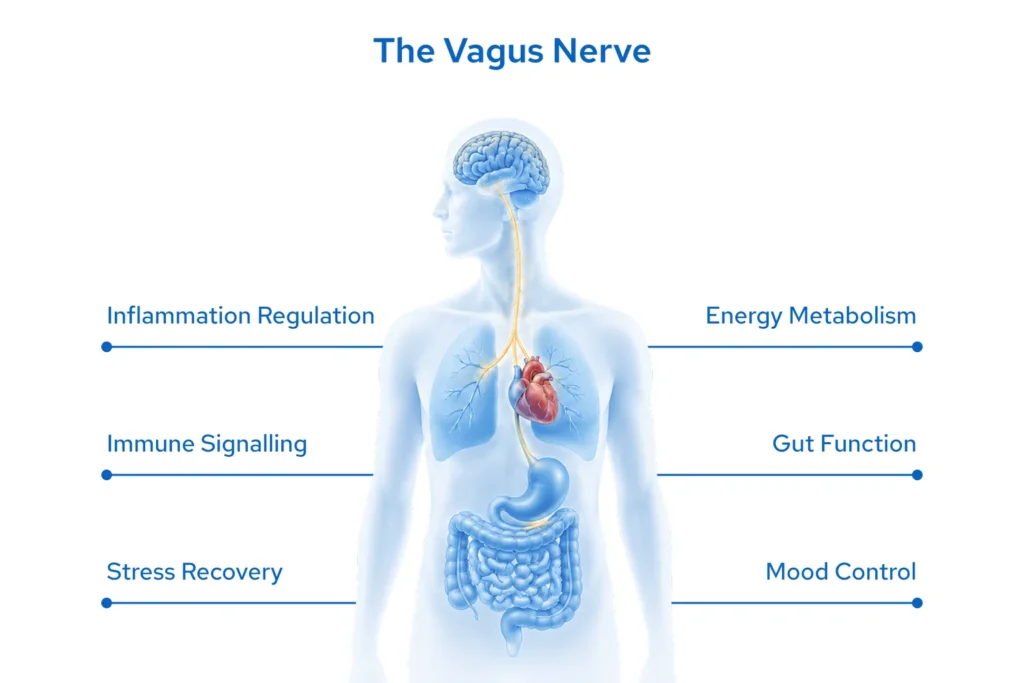
C’est le plus long nerf du corps. Et c’est la voie principale par laquelle le cerveau communique avec le système immunitaire – y compris la régulation des cytokines pro-inflammatoires comme l’IL-6.
Considérez-le comme l’interrupteur anti-inflammatoire intégré au corps.
Son travail n’est pas d’arrêter complètement l’inflammation. C’est d’aider à l’éteindre une fois le danger passé.
Quand le tonus vagal (la mesure de l’efficacité du fonctionnement du nerf vague) est en bonne santé, le corps se déplace de manière fluide : le stress arrive, la réponse inflammatoire s’active, la menace passe, les cytokines sont éliminées, les cellules reviennent à produire de l’énergie efficacement.
Dans le stress chronique, la surcharge de soins et l’épuisement prolongé – les baisses du tonus vagal. L’interrupteur anti-inflammatoire cesse de fonctionner. Les cytokines s’accumulent. Les mitochondries restent bloquées. L’énergie reste stable – quelle que soit la quantité de sommeil ou de suppléments que vous prenez.
Deux entrées différentes. Un système réglementaire défaillant derrière les deux.
Ce qui m’amène à la seule question qui restait : y a-t-il un moyen d’atteindre directement cet interrupteur ?
Ce que j’ai découvert – et pourquoi j’étais sceptique
Je vais être honnête – quand j’ai découvert pour la première fois des recherches sur la stimulation du nerf vague (VNS), ma réaction immédiate a été le scepticisme.
L’approche établie était chirurgicale : un dispositif implanté dans la poitrine, relié directement au nerf vague dans le cou. Utilisé pour les états dépressifs résistants à la thérapie. Véritablement efficace dans le contexte. Totalement sans rapport avec un utilisateur confronté à une fatigue chronique et à une vie qui ne s’arrête pas.
Puis j’ai trouvé quelque chose auquel je ne m’attendais pas.
L’approche établie était chirurgicale : un dispositif implanté dans la poitrine, relié directement au nerf vague dans le cou. Utilisé pour les états dépressifs résistants à la thérapie. Véritablement efficace dans le contexte. Totalement sans rapport avec un utilisateur confronté à une fatigue chronique et à une vie qui ne s’arrête pas. tragus, à l’entrée du conduit auditif.
IRM fonctionnel (fMRI) des études ont confirmé que la stimulation de cet emplacement active les mêmes voies du tronc cérébral que la stimulation chirurgicale du nerf vague.
C’est le seul endroit du corps où le nerf vague peut être atteint directement – sans chirurgie, sans ordonnance, sans rendez-vous de santé.
Les scientifiques ont développé une technique utilisant des signaux électriques de bas niveau : stimulation transcutanée du nerf vague auriculaire (taVNS – « transcutanée » signifiant à travers la peau, « auriculaire » signifiant via l’oreille).
J’ai examiné attentivement les recherches publiées. Des études scientifiques contrôlées par placebo, évaluées par les pairs – menées en collaboration avec des institutions telles que Harvard, l’UCL et le King’s College de Londres.
Et puis j’ai trouvé le résultat qui m’a fait arrêter d’être sceptique.
Dans une étude contrôlée contre placebo, évaluée par des pairs, les scores de fatigue ont été réduits par 48% en 10 jours.
Pas avec des suppléments. Pas avec plus de sommeil. Pas avec un changement d’alimentation ou de mode de vie.
Avec un signal quotidien de 15 minutes délivré directement à un nerf dans l’oreille.
C’était la « simple habitude à la maison » vers laquelle la recherche pointait. Et le mécanisme qui se cache derrière – la voie cholinergique anti-inflammatoire – expliquait exactement pourquoi tout le reste n’était allé que si loin.
Je ne cherchais pas un autre complément à ajouter à un protocole déjà long – car la plupart de mes utilisateurs en avaient déjà rempli des placards.
Je ne cherchais pas une autre technique de sommeil qui nécessitait un environnement parfait pour travailler.
Je ne cherchais pas une autre approche qui demanderait plus de personnes qui n’avaient plus rien.
Je cherchais quelque chose qui fonctionnait au niveau du système lui-même. Et c’était la première chose que j’ai trouvée qui fonctionnait.
Mais il restait un problème.
La recherche était claire. Le mécanisme rendait parfaitement compte de tout ce que j’avais observé en pratique. Ce dont j’avais besoin, c’était quelque chose que les utilisateurs pourraient réellement utiliser – à la maison, dans leur vie actuelle, sans avoir besoin d’énergie qu’ils n’avaient pas pour l’utiliser.
Ce que la recherche montre
Avant de recommander cette approche aux utilisateurs, je voulais voir si la recherche reflétait ce que j’avais observé en pratique.
Résultat | Métrique |
−48% | Fatigue (étude de 10 jours évaluée par des pairs) |
−40% | Brouillard mental |
−78% | Marqueurs inflammatoires IL-6 (étude de 3 mois) |
+61% | Activité du nerf vague (dans les 5 minutes suivant l’utilisation) |
+30% | Qualité du sommeil |
−35% | Pensées anxieuses |
−45% | États dépressifs / humeur maussade |
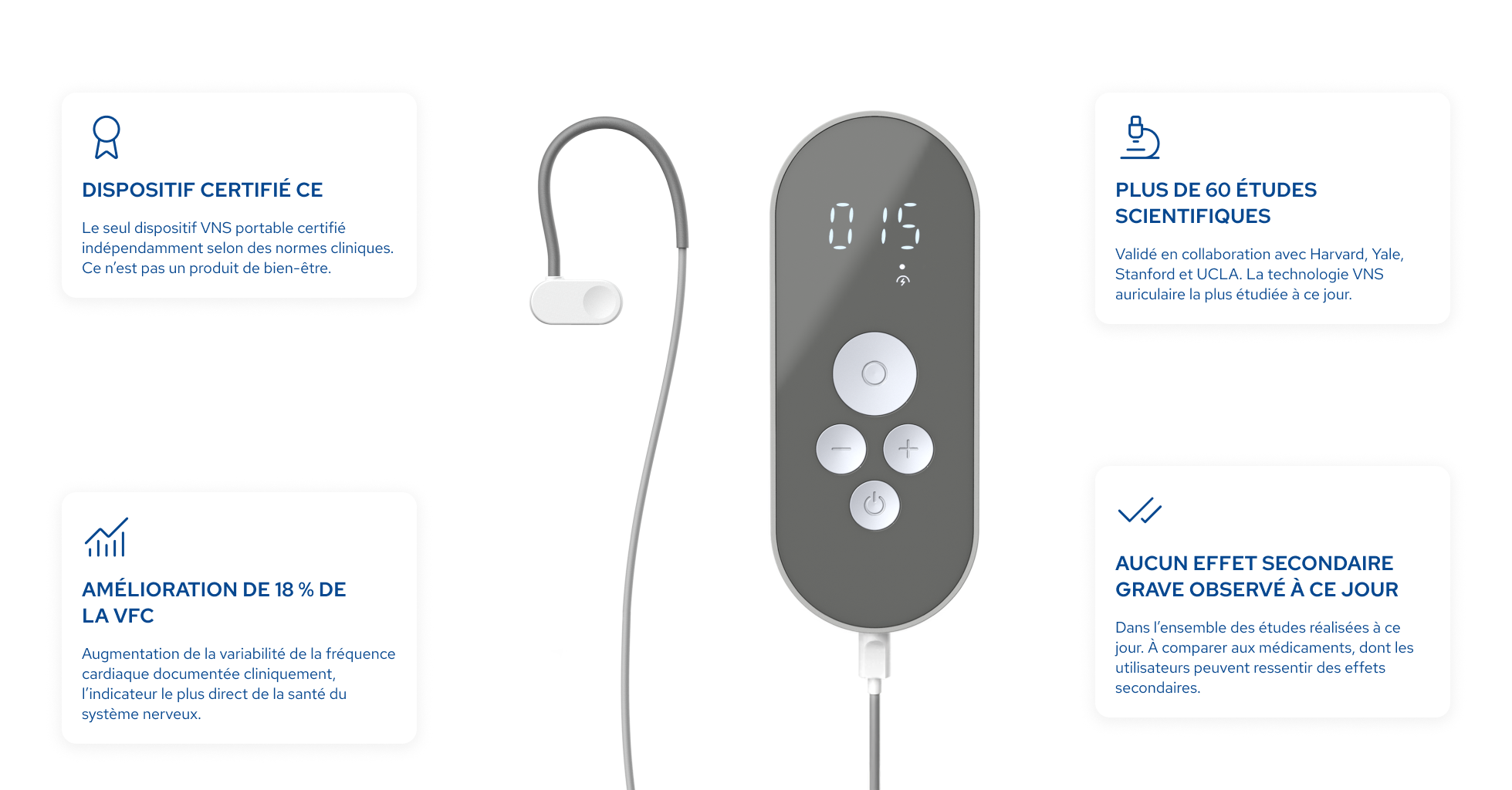
Plus de 60 études scientifiques terminées. Aucun événement indésirable grave signalé à ce jour.
Ce qui m’a frappé, ce n’était pas un seul chiffre. C’était le modèle.
La fatigue diminue. L’inflammation se dissipe. Le brouillard cérébral se lève. Le sommeil s’approfondit. Tout cela simultanément – car ils partagent tous le même système de réglementation.
L’habitude à la maison que je recommande maintenant

Ce que j’ai préféré chez Nurosym, ce n’était pas le design, mais les preuves.
Développé par Parasym – une société basée au Royaume-Uni avec plus de 10 ans de R&D et plus de 10 millions de livres sterling investis dans la recherche scientifique – Nurosym est un appareil taVNS marqué CE et le système de stimulation vagale portable le plus scientifiquement étudié au monde.
Soutenu par plus de 60 études évaluées par des pairs, y compris des collaborations avec des institutions telles que Harvard, UCL et King’s College London.
Recommandé par plus de 1000 professionnels de santé. Plus de 5 millions de séances complétées.
Il utilise un code propriétaire Technologie AVNTTM (Auricular Vagal Neuromodulation Therapy – un signal électrique calibré avec précision délivré par le tragus de l’oreille gauche, stimulant directement la branche auriculaire du nerf vague).
En termes pratiques : il se clipse doucement sur l’oreille, comme un écouteur sans fil.
Comment ça marche
Contrairement aux suppléments, il n’essaie pas d’élever un niveau. Contrairement à l’hygiène du sommeil, il n’essaie pas d’optimiser l’architecture. Contrairement à la pleine conscience, il ne vous faut pas d’abord trouver un état de calme que vous avez peut-être épuisé.
Il vise à activer la voie anti-inflammatoire cholinergique – le propre mécanisme du nerf vague pour éliminer les cytokines et restaurer la production d’énergie cellulaire – directement.
En d’autres termes : au lieu d’ajouter plus d’entrées à un système bloqué, il soutient la capacité du système à se débloquer lui-même.
Façon dont vous l'utilisez
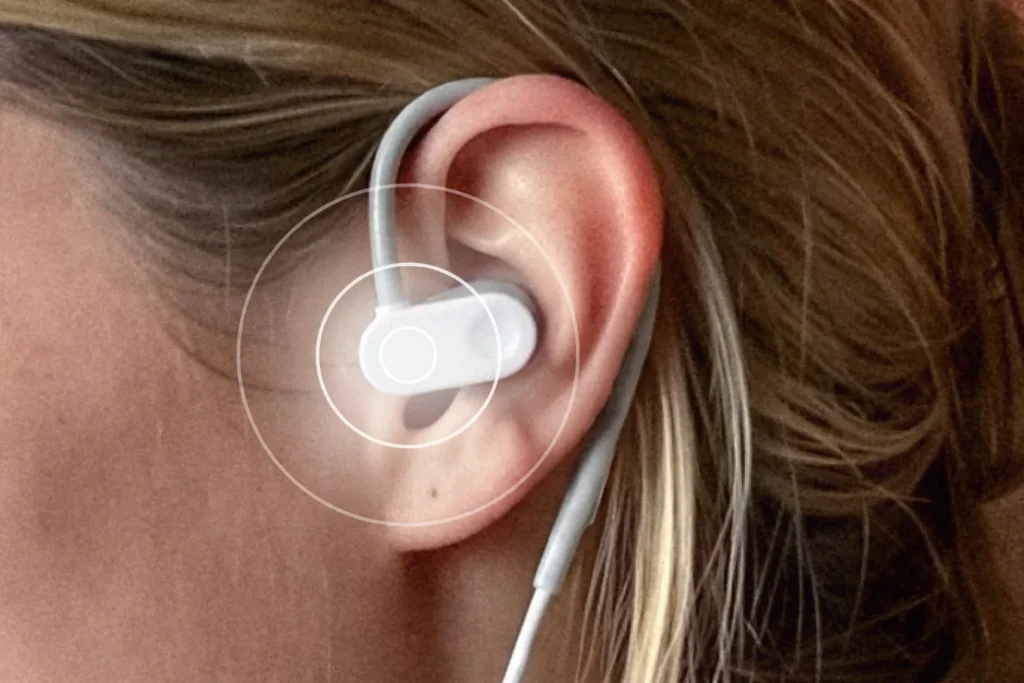
15 et 30 minutes. En prenant le petit-déjeuner. En lisant. En étant assis tranquillement. Avant de dormir.
Pas de rendez-vous. Aucun protocole à suivre en premier. Aucune énergie requise pour l’utiliser.
Nurosym peut particulièrement convenir :
- Le parent ou l’aidant qui est à bout de forces - qui a tout essayé et qui est encore épuisé
- Le professionnel dont l’énergie a diminué malgré tout ce qu’il a fait correctement
- La personne dont la fatigue persiste même après le sommeil s’améliore
- La personne dont les analyses de sang ne montrent rien - mais qui sait que quelque chose ne va pas
- Toute personne dont le système nerveux ne s’est tout simplement jamais complètement remis d’une période prolongée de stress
Il ne nécessite que ce qu’un matin ordinaire fournit déjà.
Ce que les gens remarquent réellement
Les changements ont tendance à arriver sans annonce.
« En rentrant du travail, je me sentais capable de cuisiner un repas correct plutôt que de le mettre au micro-ondes. J’ai eu l’impression de pouvoir dire oui à une sortie avec des amis sans vérifier que je pouvais bien dormir pendant la majeure partie du lendemain ».
« J’ai l’impression d’être sorti d’une longue hibernation. »
« Le changement le plus notable est une augmentation énorme de l’énergie. Ma fatigue a diminué et je me suis senti capable d’en faire plus. »
« J’utilise l’appareil depuis deux mois maintenant. Mon sommeil et mon niveau d’énergie se sont grandement améliorés. »
Ce sont les signaux d’un système inflammatoire qui commence à se réguler – et la production d’énergie cellulaire qui commence à revenir. Petit. Incrémental. Réel.
Et presque toujours – la fatigue n’est pas la seule chose qui change.
Pourquoi la fatigue est rarement la seule chose qui change
Quelque chose que je remarque constamment – et auquel les utilisateurs s’attendent rarement.
La même voie inflammatoire qui bloque la production d’énergie perturbe également la qualité du sommeil, provoque une humeur maussade et maintient les pensées anxieuses en arrière-plan.
Ce ne sont pas des problèmes distincts qui coexistent. Ils constituent un système dérégulé s’exprimant dans plusieurs directions à la fois.
Les utilisateurs qui viennent me voir pour de la fatigue commencent à mentionner – presque après coup – qu’ils dorment mieux. Que les pensées anxieuses en arrière-plan ont disparu. Que leur humeur s’est améliorée. Qu’ils pensent plus clairement.
Cela a du sens une fois que vous comprenez le mécanisme. Vous n’avez pas corrigé plusieurs choses. Le système a tout simplement recommencé à réguler – et quand il le fait, tout en aval commence à s’installer.
Est-ce que c’est bien pour toi ?
Si ce schéma est familier – l’épuisement qui persiste malgré le sommeil et les suppléments, une énergie qui ne revient jamais complètement, un corps qui a l’impression de courir dans la réserve – cela vaut la peine d’être exploré.
Nurosym travaille en parallèle de tout ce que vous faites déjà, pas à la place. Dans ma pratique, je le recommande en plus du soutien alimentaire et des travaux sur le microbiome – car s’attaquer directement au nerf vague est souvent l’élément qui fait que tout le reste tient.
Une garantie de remboursement de 30 jours signifie aucun risque financier. Soit cela fait une différence significative – soit vous le retournez.
Nurosym peut valoir la peine d’être considéré si :
- La fatigue persiste malgré un sommeil adéquat et une supplémentation
- Les niveaux d’énergie ont diminué sans explication médicale claire.
- Le brouillard cérébral, la mauvaise humeur ou les pensées anxieuses accompagnent l’épuisement.
- Les symptômes s’aggravent constamment pendant les périodes stressantes ou exigeantes.
- Vous avez essayé diverses approches et trouvé un soulagement partiel - mais pas assez
Nurosym ne convient pas à tout le monde. Si vous avez un dispositif cardiaque implanté tel qu’un stimulateur cardiaque, êtes enceinte, avez eu un événement cardiaque grave au cours des cinq dernières années ou avez moins de 18 ans, veuillez ne pas l’utiliser. Comme pour toute nouvelle intervention, il vaut toujours la peine de vérifier d’abord avec votre professionnel de santé si vous avez un symptôme médical existant.
S’il y a une chose que j’espère que cet article offre, c’est celle-ci :
Si vous êtes épuisé(e) malgré tout ce que vous avez fait correctement – ce n’est pas un problème de volonté. Ce n’est pas un signe que quelque chose ne va pas fondamentalement chez vous.
C’est un système de régulation qui a cessé de recevoir le signal dont il a besoin pour éliminer l’inflammation et restaurer l’énergie.
Pendant des années, j’ai cru que la fatigue consistait surtout à remplacer ce qui manquait au corps. Aujourd’hui, je pense qu’il s’agit tout aussi souvent de restaurer ce que le corps a cessé de réguler.
Ce signal est maintenant quelque chose que tu peux transmettre. De chez toi. Un matin ordinaire. Sans avoir besoin d’énergie, tu n’en as pas encore.
Cet article reflète mon évaluation professionnelle des données probantes et mes 15 années d’expérience scientifique en médecine fonctionnelle et en naturopathie. Il se peut que je reçoive un accord de parrainage pour des achats effectués via les liens de cet article. Je ne recommande que les approches que j’ai examinées attentivement et que je soutiendrais avec mes propres utilisateurs. Ce n’est pas un avis médical – consultez toujours un professionnel de santé qualifié avant de commencer toute nouvelle intervention. Le chiffre de 48 % reflète l’évolution relative dans une étude scientifique évaluée par des pairs ; les résultats individuels peuvent varier.
– Thomas Hottmann, naturopathe et praticien en médecine fonctionnelle | YourBestHealth, Lac Constance
Cet article de blog est fourni à titre informatif et ne remplace pas l’avis d’un professionnel de santé. Consultez toujours un professionnel de santé pour obtenir des conseils personnalisés..
Références
- Verbanck P, et al. Transcutaneous auricular vagus nerve stimulation (taVNS) effects on fatigue, mood and gastrointestinal function. Parasym Ltd peer-reviewed data. 2021.
- Zheng S, et al. Transcutaneous auricular vagus nerve stimulation reduces anxious thoughts and improves attention: placebo-controlled study. Stimulation Cérébrale. 2024.
- Dolcini J, et al. Effects of taVNS on sleep quality and widespread pain: randomised controlled trial. Parasym Ltd. 2025.
- Tracey KJ. The inflammatory reflex. Caractère. 2002;420:853–859. https://doi.org/10.1038/nature01321
- Breit S, et al. Vagus nerve as modulator of the brain-gut axis in psychiatric and inflammatory disorders. Frontiers en psychiatrie. 2018;9:44. https://doi.org/10.3389/fpsyt.2018.00044
- Kaniusas E, et al. Current directions in auricular vagus nerve stimulation: a physiological perspective. Frontiers in Neuroscience. 2019. https://doi.org/10.3389/fnins.2019.00854
- Farmer AD, et al. International consensus on minimum reporting standards for transcutaneous vagus nerve stimulation research. Frontiers en neurosciences humaines. 2021. https://doi.org/10.3389/fnhum.2020.568051
- Redgrave J, et al. Safety and tolerability of transcutaneous vagus nerve stimulation in humans: systematic review. Stimulation Cérébrale. 2018;11(6):1225–1238. https://doi.org/10.1016/j.brs.2018.08.010


 French
  English
  German
  Spanish
  Swedish