

Nurosym är en CE-märkt, icke-invasiv vagusnervstimuleringsanordning som har studerats för dess effekter på hjärtfrekvensvariabilitet (HRV), en allmänt använd markör för autonom nervsystemaktivitet och stressreglering.


Förstå HRV och Vagus Nerve Stimulation
Nurosym är en bärbar vagusnervstimuleringsanordning med publicerad vetenskaplig forskning som undersöker dess effekter på hjärtfrekvensvariabilitet (HRV).
Hjärtfrekvensvariabilitet — variationen i tid mellan dina hjärtslag — är det mest validerade måttet på hur väl ditt nervsystem hanterar stress.
Högre HRV innebär bättre stressmotståndskraft, snabbare återhämtning och förbättrad allmän hälsa. Lägre HRV är förknippat med nedsatt stressreglering och korrelerar med ökad risk för negativa hälsoresultat, inklusive hjärt-kärlsjukdomar, kognitiv nedgång och minskad livslängd.
Nurosym levererar direkt vagal nervstimulering genom exakta elektriska signaler, aktiverar den primära neurala vägen som reglerar hjärtfrekvensvariabiliteten.
- Validerade genom 50+ avslutade forskningsstudier och över 4 miljoner användarsessioner, som visar mätbara, reproducerbara HRV-förbättringar.
- CE-märkning indikerar efterlevnad med europeiska säkerhets- och tillverkningsstandarder för bärbara enheter.
- Utvecklad genom $ 10M + forskningsinvestering med Chicago University Medical School, UCLA, Imperial College London och 100+ forskningsinstitutioner.
- Den mest undersökta bärbara vagusnervenheten tillgängligt, fastställande av guldstandarden för icke-invasiv HRV-optimering.
“Bland liknande wellness-enheter, det sticker ut för sin starka forskningsstiftelse och användarvänlig design. ”
– DEREK, US
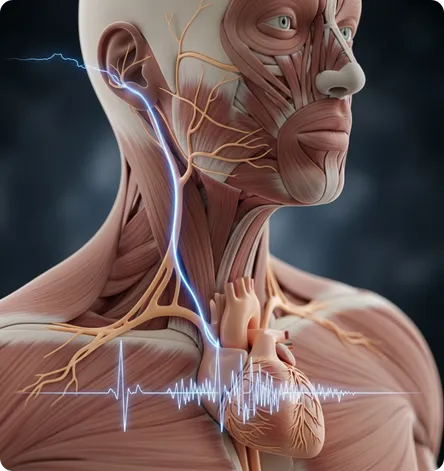

Direkt väg till hjärt autonom kontroll
Din HRV styrs av ditt autonoma nervsystem — specifikt balansen mellan dina sympatiska (stress) och parasympatiska (återhämtnings) grenar.
Din vagusnerv är den primära parasympatiska vägen till ditt hjärta.
När din vagusnerv aktiveras släpper den signaler som bromsar din hjärtfrekvens och ökar den naturliga variationen mellan slag. Detta vagala inflytande på ditt hjärta skapar HRV. Starkare vagal ton är lika med högre HRV.
Nurosym levererar exakt kalibrerade elektriska signaler till din vagusnerv genom örat. Detta aktiverar den direkta neurala vägen från din hjärnstam till ditt hjärtas pacemakerceller, vilket omedelbart ökar parasympatiskt inflytande och HRV.
- Riktar sig mot den aurikulära grenen av din vagusnerv, den mest tillgängliga och effektiva platsen för icke-invasiv HRV-optimering
- Aktiverar den direkta vagala vägen till ditt hjärta, producerar parasympatisk hjärtkontroll.
- Arbetar genom hjärnstamens autonoma centra som reglerar balansen mellan ditt hjärtas stress- och återhämtningssystem.
- Förbättrar avsevärt parasympatisk nervsystemaktivitet med mätbara förändringar i HRV-markörer som uppträder inom en timme i kontrollerade studieinställningar (statistiskt signifikant i utvalda studier, p = 0,002), med effekter som varar 2-4 timmar efter varje session.
“Det hjälper mig att uppnå ett lugnt tillstånd som liknar meditation. Skiftet är subtilt, men jag märker att jag känner mig mer bekväm.”
– TOM, UK


Att stödja parasympatisk aktivitet och återställa balans
Kronisk stress, dålig sömn, stillasittande livsstil och åldrande alla minskar din HRV genom att flytta ditt nervsystem mot sympatisk dominans.
När ditt sympatiska (stress) system är överaktiv och ditt parasympatiska system (återhämtning) undertrycks, HRV sjunker.
Låg HRV återspeglar denna obalans — ditt hjärta sitter fast i ett styvt mönster som domineras av stressaktivering, saknar den flexibla variationen som kommer från starkt parasympatiskt inflytande.
Vagus nervstimulering förskjuter denna balans genom att direkt förbättra parasympatisk aktivitet.
Detta lugnar inte bara tillfälligt dig — kan aktivt påverka autonom reglering mot bättre baslinjebalans.
- Minskar sympatisk överaktivering genom att förbättra hämmande vägar som lugnar ditt stressresponssystem.
- Ökar parasympatisk ton genom direkt vagal vägaktivering, återställning av "bromsen" på ditt stresssystem.
- Förbättrar autonom flexibilitet, förmågan att växla på lämpligt sätt mellan stress och återhämtningslägen.
“Eftersom ... på min arbetsplats, på grund av riktigt hög stress ... fick jag svår återflöde. Den ständiga drivkraften för att leverera mer arbete förstörde min organisme. Varje gång jag satte enheten kunde jag frigöra spänningar från mitt nervsystem. ”
– JAKUB, UK
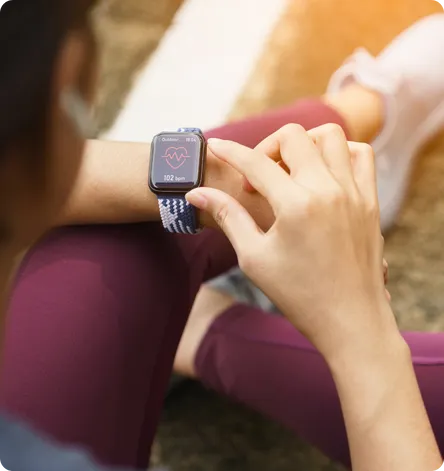

För mätbar, spårbar nervsystemförbättring
En av HRV: s mest kraftfulla fördelar är att du kan mäta den. Konsumentvaror som Oura Ring, WHOOP, Apple Watch, Garmin och Polar-enheter ger dagliga HRV-data, vilket ger dig objektiv feedback om din nervsystemhälsa.
Detta gör HRV till den ultimata biomarkören för att spåra effektiviteten i alla hälsoinsatser. Till skillnad från subjektiva åtgärder (“ Jag mår bättre ”) ger HRV dig konkreta siffror som visar om ditt nervsystem faktiskt förbättras.
Nurosym producerar mätbara HRV-förändringar du kan se på din enhet. Detta ger objektiv validering att interventionen fungerar — och motiverar fortsatt användning.
- Fördelar kan spåras med alla större konsumentbärbara för standardiserad HRV-analys (Oura Ring, WHOOP, Apple Watch, Garmin, Polar H10 och andra).
- Ger mätbara fysiologiska förändringar inom en timmes användning, med statistiskt signifikanta förbättringar i nervsystemmarkörer (p = 0,002) och effekter som varar 2-4 timmar efter varje session.
- Levererar kumulativa baslinjeförbättringar observerbar under veckor när ditt nervsystem anpassar sig och stärks.
- Aktiverar datadriven optimering låter dig spåra vilka protokoll, timing och varaktighet som ger dina bästa HRV-förbättringar.
- Ger objektiv biofeedback ansluta dina dagliga sessioner till mätbara hälsoresultat.
“När jag inte fick tillräckligt med djup, återställande sömn, det påverkade mitt humör och dagliga rutin. Nurosym har helt förvandlat hur jag vilar. ”
– DANIEL, WALES
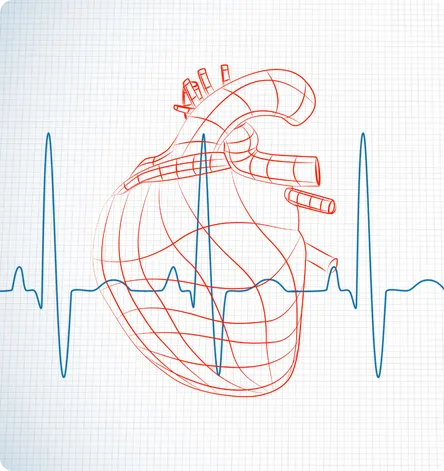

Att stödja kardiovaskulär hälsa och livslängd
Låg HRV är en av de starkaste prediktorerna för hjärt-kärlsjukdomar, dödlighet av alla orsaker och negativa hjärthändelser.
Forskning visar konsekvent att individer med högre HRV lever längre och har en betydande lägre risk för hjärtsjukdomar, hjärtattack och plötslig hjärtdöd.
Din HRV återspeglar hälsan i ditt hjärta autonoma nervsystem — den neurala förordningen som håller ditt hjärta fungerande optimalt.
När denna reglering försämras (låg HRV) förlorar ditt hjärta skyddsflexibilitet och blir mer sårbart för arytmier och kardiovaskulär stress.
Förändringar i HRV är förknippade med autonom reglering av hjärt; förbättringar av HRV bör dock inte tolkas som förebyggande eller behandling av hjärt-kärlsjukdomar.
- Låg HRV förutspår oberoende hjärt-kärlsjukdomar även efter kontroll av traditionella riskfaktorer som blodtryck och kolesterol.
- Högre HRV förknippas med minskad dödlighet av alla orsaker över flera storskaliga befolkningsstudier.
- HRV-förbättring indikerar förbättrad autonom hjärtfunktion, reglering av nervsystemet, skydda ditt hjärta.
- Vagal stimulering har associerats med förbättringar i hjärtfrekvensåtervinning och autonom reglering, vilket kan stödja kardiovaskulär motståndskraft.
- Mätbara HRV-ökningar återspeglar förbättrad kardiovaskulär motståndskraft, tillhandahålla objektiv bevis på optimering av hjärthälsa.
“Ärligt talat har jag märkt en så positiv förändring. Jag har mycket färre dagar där jag känner mig för dränerad för att hålla jämna steg med min dagliga rutin. ”
– FRANCESCA, UK
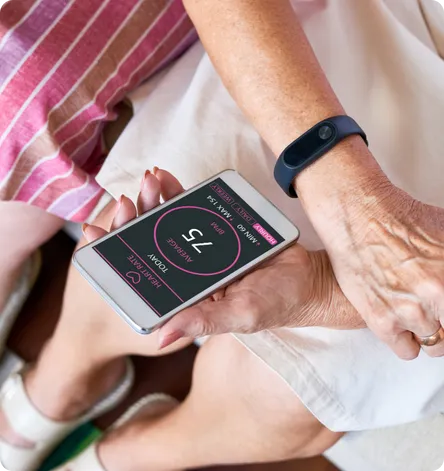

För förbättrad stressreaktivitet och återhämtningshastighet
HRV handlar inte bara om din vilande baslinje — det handlar också om hur snabbt din HRV sjunker under stress och hur snabbt den återhämtar sig efteråt.
Individer med god stressmotståndskraft visar snabb HRV-återhämtning efter utmaningar. Dålig återhämtning indikerar nedsatt stressreglering.
Denna HRV-återhämtningskinetik — hur snabbt du studsar tillbaka — är en kritisk markör för nervsystemets hälsa och förutsäger både fysiska och mentala hälsoresultat.
Vagus nervstimulering förbättrar båda aspekterna: minska överdrivna HRV-droppar under stress och påskynda återhämtningen efteråt. Detta innebär att du hanterar stressfaktorer mer effektivt och återgår till baslinjen snabbare.
- Minskar överdrivet HRV-undertryckning under stress genom att bibehålla parasympatisk buffringskapacitet även under tryck.
- Accelererar HRV-återhämtning efter stress, möjliggör snabbare återgång till balanserad autonom funktion efter utmaningar.
- Förbättrar stressåtervinningscykler, låter dig hantera flera stressfaktorer utan progressiv autonom utarmning.
- Förbättrad återhämtningskinetik förutspår bättre hälsoresultat inom både hjärt- och mentalhälsodom.
- Mätbara förbättringar i HRV-återhämtning kan observeras inom veckor efter konsekvent användning.
“Sedan jag började använda det har jag märkt en betydande förbättring av hur jag känner mig övergripande. Det har gått tre månader nu, och jag hoppas på ännu mer positiva förändringar — det är definitivt ett steg i rätt riktning. ”
– TERRY, UK
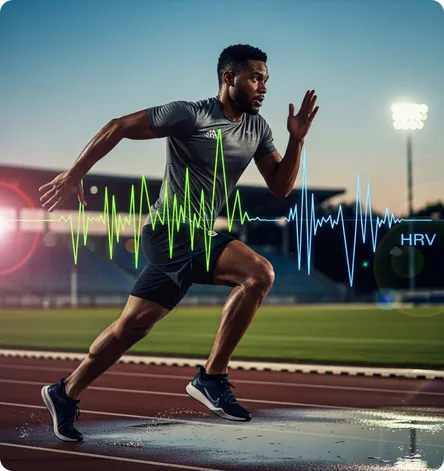

Att optimera idrottsprestanda och återhämtning
Elitidrottare och prestationsfokuserade individer använder alltmer HRV som sitt primära träningsoptimeringsverktyg.
Högre HRV indikerar beredskap att träna hårt; lägre HRV-signaler otillräcklig återhämtning som kräver vila eller lättare träning.
Idrottare med högre genomsnittlig HRV visar bättre uthållighet, snabbare återhämtning mellan träningspass, minskad skaderisk och förbättrad anpassning till träningspress. Många professionella idrottslag fattar nu HRV-styrda träningsbeslut.
Vagus nervstimulering erbjuder idrottare ett verktyg för att aktivt förbättra HRV snarare än att bara övervaka den. Detta påskyndar återhämtningen, förbättrar anpassningen av träningen och upprätthåller högre beredskap för baslinjen.
- Högre HRV korrelerar med överlägsen atletisk prestanda över uthållighet, styrka och kompetensbaserad sport.
- HRV-styrd utbildning minskar överutbildningsrisken genom att tillhandahålla en objektiv bedömning av återhämtningsstatus.
- Vagal stimulering påskyndar återhämtningen efter träning genom att förbättra parasympatisk återaktivering efter träning av stress.
- Förbättrad HRV-baslinje möjliggör högre träningsvolym genom att bibehålla autonom kapacitet för anpassning.
- Används av elitidrottare och prestationsproffs som ett aktivt återhämtningsverktyg och HRV-optimeringsstrategi.
“Jag letade efter ett sätt att bättre navigera säsongsutmaningar. Jag hade provat träningspass och meditationsappar, men upptäckte Nurosym, och jag märkte förändringar inom bara ett par veckor. Jag känner mig mer balanserad och bättre rustad för att hantera det dagliga trycket.”
– TIJANA, US


För förbättring av sömnkvalitet genom HRV-förbättring
HRV under sömn ger kritisk inblick i sömnkvalitet och återhämtningseffektivitet. Under djup, återställande sömn bör din HRV vara hög, vilket återspeglar stark parasympatisk dominans. Låg HRV under sömn indikerar otillräcklig återhämtning — ditt nervsystem är inte helt avslappnande.
Många sömnstörningar och dålig sömnkvalitet manifesteras som undertryckt nattlig HRV. Att förbättra din förmåga att uppnå hög HRV under sömn förbättrar direkt sömnens återställande fördelar.
Vagus nervstimulering före sömn förbättrar den parasympatiska aktiveringen som krävs för sömninitiering och underhåll, vilket ger högre nattlig HRV och förbättrad sömnarkitektur.
- Hög nattlig HRV indikerar återställande sömn av hög kvalitet, återspeglar korrekt parasympatisk dominans under vila.
- Vagal stimulering före sömnen underlättar sömninitiering genom att påskynda den autonoma växlingen som krävs för sömnstart.
- Förbättrad parasympatisk aktivitet under sömnen producerar högre HRV under hela natten och djupare sömnstadier.
- 31% förbättring av sömnkvalitetsresultat mätt med Pittsburgh Sleep Quality Index under 4 veckor (p <0,05).
- Bättre sömn ger högre HRV på dagen, skapa en positiv cykel med förbättrad återhämtning och motståndskraft på dagen.
“Jag har märkt förbättrade återhämtningsindikatorer som spåras av min fitnessenhet och a större förmåga att hålla fokus eller tåg under längre perioder. ”
– HENRY, UK

Att stödja kognitiv funktion genom HRV-hjärnanslutningen
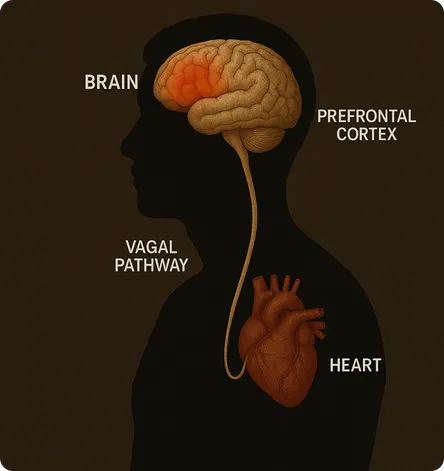
Framväxande forskning avslöjar starka samband mellan HRV och kognitiv prestanda. Högre HRV förknippas med bättre verkställande funktion, snabbare bearbetningshastighet, förbättrat arbetsminne och förbättrad känslomässig reglering.
Den vagala vägen som förbinder ditt hjärta och hjärna möjliggör dubbelriktad kommunikation — din HRV både återspeglar och påverkar din hjärnfunktion. Låg HRV förutspår kognitiv nedgång, medan HRV-förbättring motsvarar kognitiv förbättring.
Denna hjärt-hjärnanslutning innebär att HRV-optimering genom vagal stimulering ger kognitiva fördelar utöver enkel stressminskning.
- Högre HRV korrelerar med överlägsen kognitiv prestanda, särskilt i verkställande funktioner som kräver uppmärksam kontroll.
- Låg HRV förutspår kognitiv nedgång och demensrisk i åldrande studier i längdriktningen.
- Den vagala vägen möjliggör kommunikation mellan hjärnan, med HRV som återspeglar integriteten i denna anslutning.
- HRV-förbättring är associerad med kognitiv förbättring i domäner för uppmärksamhet, minne och verkställande funktion.
- Vagal stimulering ger både HRV och kognitiva förbättringar genom delade neurala vägar.
“Ibland sätter jag på det när jag läser, och Jag tycker att det hjälper mig att hålla fokus, även på mer utmanande skrivbitar. ”
– YVONNE, UK


Som objektiv biofeedback för övergripande hälsooptimering
HRV fungerar som en “master biomarkör ”— en enda metrisk som integrerar information från flera fysiologiska system. Din HRV återspeglar din kardiovaskulära hälsa, stresssystemfunktion, sömnkvalitet, återhämtningskapacitet, metabolisk hälsa och inflammatorisk status samtidigt.
Detta gör HRV till den perfekta biomarkören för att spåra den allmänna hälsan optimering ansträngningar. När HRV förbättras signalerar det att flera system förbättras tillsammans. När HRV minskar ger det en tidig varning om försämring av hälsan.
Med Nurosym kan du aktivt optimera denna master biomarkör, skapar mätbara förbättringar som kaskaderar över flera hälsodomäner.
- HRV integrerar information från flera fysiologiska system, ger en helhetsindikator för hälsostatus.
- HRV-förbättring återspeglar förbättring av flera systemhälsa, inklusive kardiovaskulär, metabolisk, inflammatorisk och stressreglering.
- HRV ger tidig varning om hälsoproblem minskar innan andra symtom dyker upp.
- Objektiv spårning möjliggör optimering visar vilka interventioner (diet, motion, sömn, stresshantering) som ger verkliga förbättringar.
- HRV-optimering skapar kaskadfördelar eftersom förbättrad autonom funktion stöder varje fysiologiskt system.
“Jag hanterar ofta spänningar på natten som påverkar mitt ansikte och huvud, men jag började märka en skillnad —det har varit en positiv förändring, även i hur jag känner mig fysiskt.”
– HOGAN, US


För långvarig hälsa Span och motståndskraft
HRV minskar naturligtvis med åldrande, återspeglar en gradvis minskning av flexibiliteten i det autonoma nervsystemet.
Men individer som upprätthåller högre HRV när de åldras visar bättre hälsotransporter — fler år av hälsosamt, funktionellt liv med minskad sjukdomsbörda.
Högre HRV hos äldre vuxna förutspår lägre dödlighetsrisk, minskade kardiovaskulära händelser, bättre kognitiv funktion och bibehöll fysisk kapacitet. I huvudsak HRV är en av flera fysiologiska markörer förknippade med autonom funktion och åldrande.
Att upprätthålla och förbättra HRV genom vagusnervstimulering representerar en anti-aging intervention som riktar sig till det autonoma nervsystemet — ett av de grundläggande systemen för livslängd.
- HRV-nedgång med åldrande återspeglar försämring av det autonoma nervsystemet, ett av kännetecknen för biologiskt åldrande.
- Högre HRV hos äldre vuxna förutspår en utökad hälsotranspe med fler år med hälsosam funktion.
- Att upprätthålla HRV bromsar biologiskt åldrande genom att bevara det autonoma nervsystemets kapacitet.
- Vagal stimulering förbättrar aktivt HRV även hos äldre individer, vilket potentiellt kan bromsa autonomt åldrande.
- HRV representerar en modifierbar biomarkör för livslängd; till skillnad från genetiska faktorer kan HRV förbättras genom riktad intervention.
“Jag fick höra av en professionell att de inte var säkra på vad som orsakade mina utmaningar, men en långsiktig strategi föreslogs. Jag började undersöka sätt att stödja mig själv och upptäckte Nurosym. ”
– TREVOR, UK
Föreslagna mekanismer för Auricular Vagus Nerve Stimulation
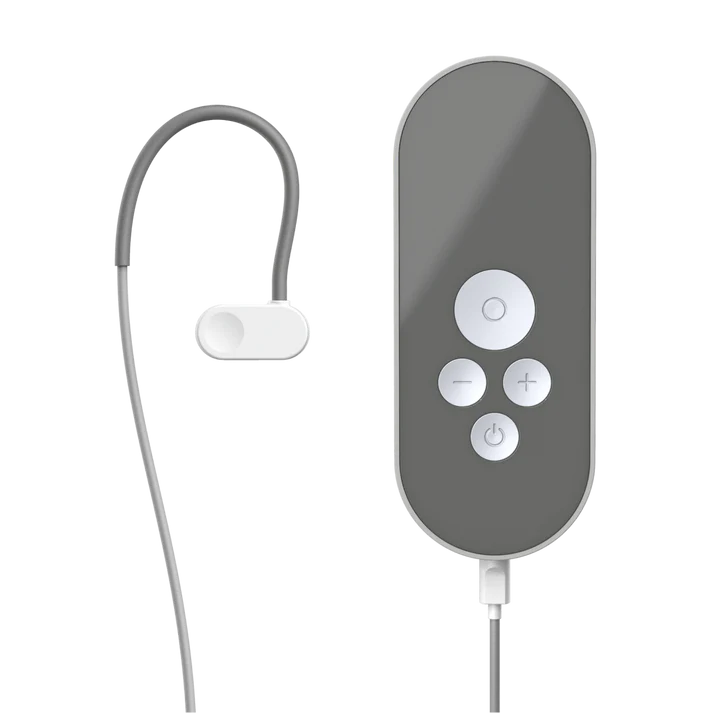
Auricular Vagal Neuromodulation Therapy (AVNT ™) — Nurosyms proprietära protokoll utvecklat med den University of Chicago, UCLA, Imperial College London och 60+ forskningsinstitutioner, specifikt validerade för HRV optimering över 4+ miljoner övervakade sessioner.
Hur det fungerar:
Din HRV skapas av din vagusnervs inflytande på ditt hjärta. När din vagusnerv är aktiv släpper den signaler som bromsar din hjärtfrekvens och skapar variation mellan slag. Starkare vagal aktivitet = högre HRV.
Nurosym levererar exakt kalibrerade elektriska signaler till din vagusnerv genom örat och aktiverar den direkta vägen som ökar HRV:
- Perifer Aktivering: Elektrisk stimulering aktiverar vagal nerv fibrer i örat cymba conchae—den optimala platsen för HRV-förbättring.
- Brainstem-Överföring: Signaler reser till nucleus tractus solitarius (NTS) — din primära autonoma kontroll mitt.
- Hjärtvagal sökvägsaktivering: NTS ansluter till den dorsala motoriska kärnan och nucleus ambiguus — hjärnstammen centra som skickar vagala signaler direkt till ditt hjärta.
- Heart Pacemaker Modulation: Vagal signals reach your sinoatrial node (heart’s pacemaker), increasing parasympathetic influence and creating greater beat-to-beat variability.
- Autonom balansåterställning: Minskar samtidigt sympatisk överaktivering samtidigt som man förbättrar parasympatisk ton.
- HRV-optimering: Resultatet ökas mätbart i flera validerade HRV-metriker i forskningsinställningar.
Mätbart resultat: Omedelbara HRV-ökningar kan observeras inom några minuter, plus kumulativa baslinjeförbättringar som utvecklas under veckor med konsekvent användning.
Dessa vägar är baserade på nuvarande neurofysiologiska modeller och kan variera mellan individer.
Akuta HRV-effekter:
- Omedelbara mätbara förändringar i hjärtfrekvens kan variationer observeras genom standard HRV-analys under och efter sessioner.
- Hållbar vagal aktivering med HRV-höjning fortsätter i timmar efter att stimuleringen har avslutats.
Kumulativa HRV-förbättringar:
- Betydande ökningar av HRV-mätvärden för tidsdomän, inklusive SDNN (standardavvikelse för normala till normala intervaller) — måttet på den totala autonoma hälsan — under flera veckors interventionsperioder.
- Betydande ökningar av RMSSD (rotmedelvärde för successiva skillnader) — det validerade måttet på parasympatisk aktivitet.
- Förbättrad LF / HF-förhållande indikerar bättre autonom balans, med statistiskt signifikanta gynnsamma förändringar visade i placebokontrollerade studier (p = 0,002).
- Förbättrad stressreaktivitet och återhämtning med snabbare HRV-återhämtning efter stressorer.
Multisystemfördelar validerade i vetenskapliga studier:
- 35% minskning av oroliga tankesymtom mätt med validerade BURNS. Anxious Tankes Inventory inom tio dagar, med fortsatta förbättringar vid en månads uppföljning (p <0,001).
- 31% förbättring av sömnkvalitetsresultat med Pittsburgh Sleep Quality Index under 4 veckor (p <0,05).
- 48% minskning av utmattningssvårighet mätt med Pichot Fatigue Scale inom 10 dagar (p <0,0001), med fortsatta förbättringar som upprätthålls efter avslutad behandling.
- Minskar betydligt inflammatoriska markörer, inklusive IL-6, i randomiserade placebokontrollerade studier under 3 månader, korrelerar med förbättringar i trötthet, kognitiv funktion och stressmotståndskraft.
- Förbättrar avsevärt uppmärksamhet och hämmande kontroll mätt genom validerad kognitiv testning, med mätbara vinster inom 10 dagar (p <0,01) och varaktiga förbättringar vid en månads uppföljning (p <0,001).
Verklig världseffektivitet:
- Över 4 miljoner användarsessioner färdigställd över hela världen.
- Användare som rapporterar vetenskapligt meningsfulla förbättringar i stressmotståndskraft, återhämtningskapacitet eller allmän hälsa.
- Höga anslutningshastigheter underlättas genom objektiv biometrisk feedback som visar mätbara framsteg.
- Fördelar kan spåras med alla större konsumentbärbara produkter, inklusive Oura Ring, WHOOP, Apple Watch, Garmin-enheter och Polar H10, vilket gör det möjligt för användare att spåra sina personliga HRV-förbättringar i realtid.
Dessa HRV-förbättringar är förknippade med markörer för förbättrad stressmotståndskraft, återhämtningskapacitet och autonom reglering.
För individer som söker evidensbaserad HRV-optimering — oavsett om det är prestationsförbättring, förlängning av hälsotom, stressmotståndskraft eller kardiovaskulärt skydd — Nurosym representerar den mest noggrant validerade, mätbara interventionen som finns tillgänglig.
Spåra dina framsteg objektivt. Optimera biomarkören som är viktigast. Bygg ett mer fjädrande nervsystem.
Nurosym är en CE-märkt klass IIa bärbar enhet Vetenskaplig resultaten representerar genomsnittliga resultat från kontrollerade studier och effektivitetsanalyser i verkligheten. Individuella svar varierar. Enheten är avsedd för allmän wellness och autonom funktion optimering; det är inte avsett att diagnostisera, behandla, bota eller förebygga någon sjukdom. Användare med pacemaker, arytmier, eller andra betydande medicinska symtom bör konsultera vårdgivare före användning. HRV-mätningar och tolkningar bör inte ersätta professionell medicinsk rådgivning.
Detta blogginlägg syftar till att vara informativt och bör inte ersätta professionell hälsorådgivning. Rådgör alltid med en vårdpersonal för personlig rådgivning.
Källorv
- Machetanz K, Berelidze L, Guggenberger R, Gharabaghi A. Transcutaneous auricular vagus nerve stimulation and heart rate variability: Analysis of parameters and targets. Autonomic Neuroscience. 2021 Oct;102894.
- Forte G, Favieri F, Leemhuis E, Cristina M, Giannini AM, Gennaro LD, et al. Ear your heart: transcutaneous auricular vagus nerve stimulation on heart rate variability in healthy young participants. 2022 Nov 21;10:e14447–7.
- Kaduk K, Petrella A, Müller SJ, Koenig J, Kroemer NB. Non‐Invasive Auricular Vagus Nerve Stimulation Decreases Heart Rate Variability Independent of Caloric Load. Psychophysiology [Internet]. 2025 Feb 1;62(2). Available from: https://pmc.ncbi.nlm.nih.gov/articles/PMC11862327/
- Gianlorenço AC, Pacheco-Barrios K, Daibes M, Camargo L, Choi H, Song JJ, et al. Age as an Effect Modifier of the Effects of Transcutaneous Auricular Vagus Nerve Stimulation (taVNS) on Heart Rate Variability in Healthy Subjects. Journal of Clinical Medicine. 2024 Jul 22;13(14):4267–7.
- Soltani D, Azizi B, Sima S, Tavakoli K, Negin, Vahabie AH, et al. A systematic review of the effects of transcutaneous auricular vagus nerve stimulation on baroreflex sensitivity and heart rate variability in healthy subjects. Clinical autonomic research. 2023 Apr 1;33(2):165–89.
- Wu ML, Hu DM, Wang JJ, Liu XL, Liu L, Li Y, et al. Pre- and postoperative heart rate variability and vagus nerve stimulation in patients with drug-resistant epilepsy – A meta-analysis. Epilepsy & Behavior. 2021 Oct;123:108247.
Dela via:



 Swedish
  English
  German
  French
  Spanish
It’s encouraging to see research exploring non-pharmacological options.
The explanation of autonomic balance was especially helpful.