
About Me
I’m an osteopath and functional rehab specialist based in Whetstone, North London. I’ve worked in practice for more than 15 years and treated thousands of clients. I also share what I see in the clinic with over 230,000 subscribers on my YouTube channel.
Your shoulder finally settles. Then your lower back starts to hurt. Then your knee. Nothing new happened.
Here are five reasons vagus nerve stimulation may be worth a look when pain keeps moving around, next to proper checks, rehab and the recovery tools you already use.

Your Nervous System Controls How Strong You Feel Pain
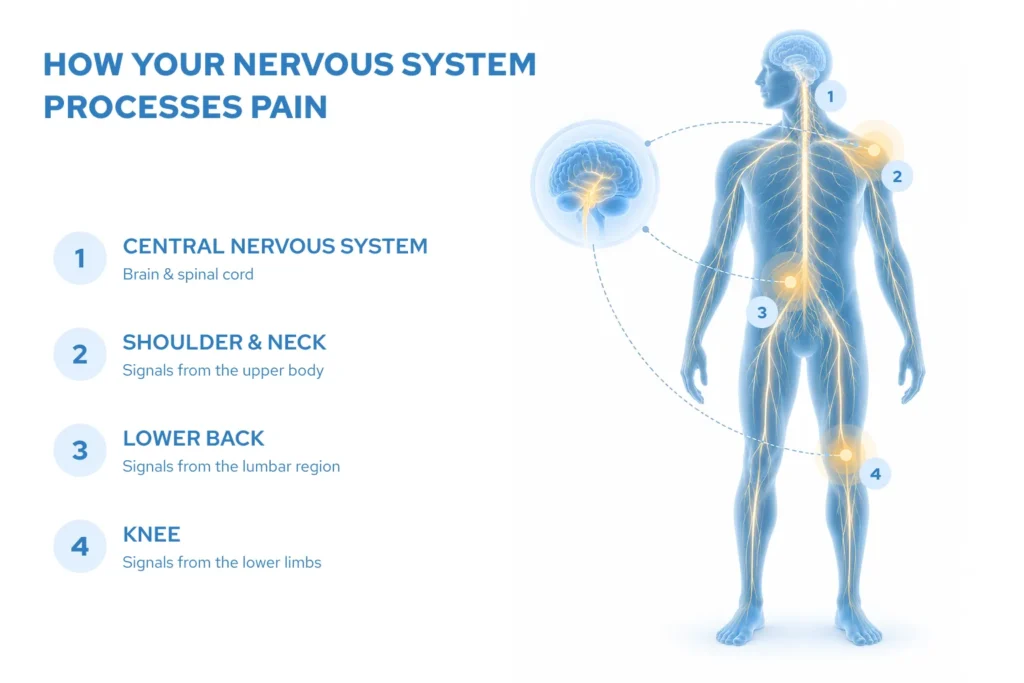
Pain isn’t only in the sore spot. Your nerves and brain decide how loud it feels.
When pain lasts longer than it should, the nerves that carry pain signals can get more sensitive.¹ The same signal then feels stronger. Same pain, but it feels worse. The more those nerves fire, the more sensitive they get. It works like a loop. Researchers call it central sensitisation.
This is one part of the picture. It doesn’t explain every new ache.
I’ve lived a version of this. I train BJJ several times a week. My shoulder pain finally settled after two weeks. Four days later, my lower back flared up in a week where I’d done nothing unusual. A torn muscle healed, then a different joint started to ache. None of it was serious. That was the problem. It was never bad enough to make me stop and look at the whole picture.
Your body has two modes. The sympathetic nervous system (SNS) is the gas pedal. It gets you ready for stress. The parasympathetic nervous system (PNS) is the brake. It helps you rest and recover. The vagus nerve is the main line for that brake.
Your brain also has a kind of volume knob for pain. Researchers are studying whether the vagus nerve helps turn that knob.²

Massage Guns Only Treat One Spot, Not the Whole Pattern
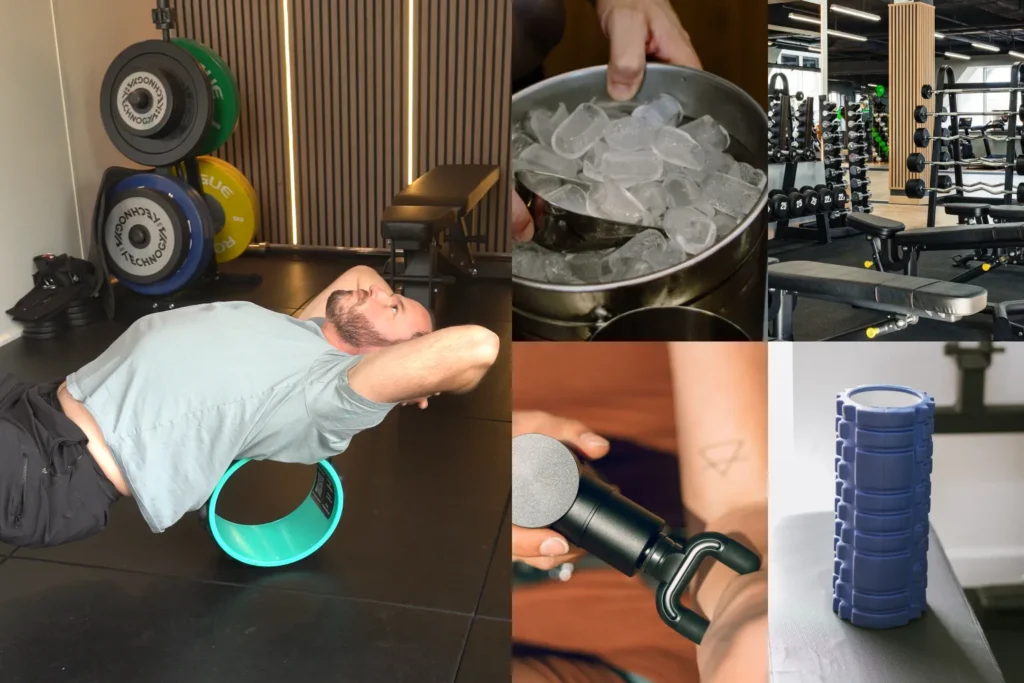
Ice baths, foam rolling and massage guns help the spot you treat. They don’t explain why pain shows up somewhere new.
I recommend all of them to clients. They really do help sore muscles. Rest days help too, but in a different way. They cut your total load. They don’t target one spot.
These tools also take time. An ice bath needs 10 to 15 minutes in cold water. That’s hard when your evening is already dinner, dishes and getting the kids to bed.
Vagus nerve stimulation works at a different level. It sits next to these tools. It doesn’t replace them.

Studies Link Pain to HRV, and You Can Track HRV Yourself
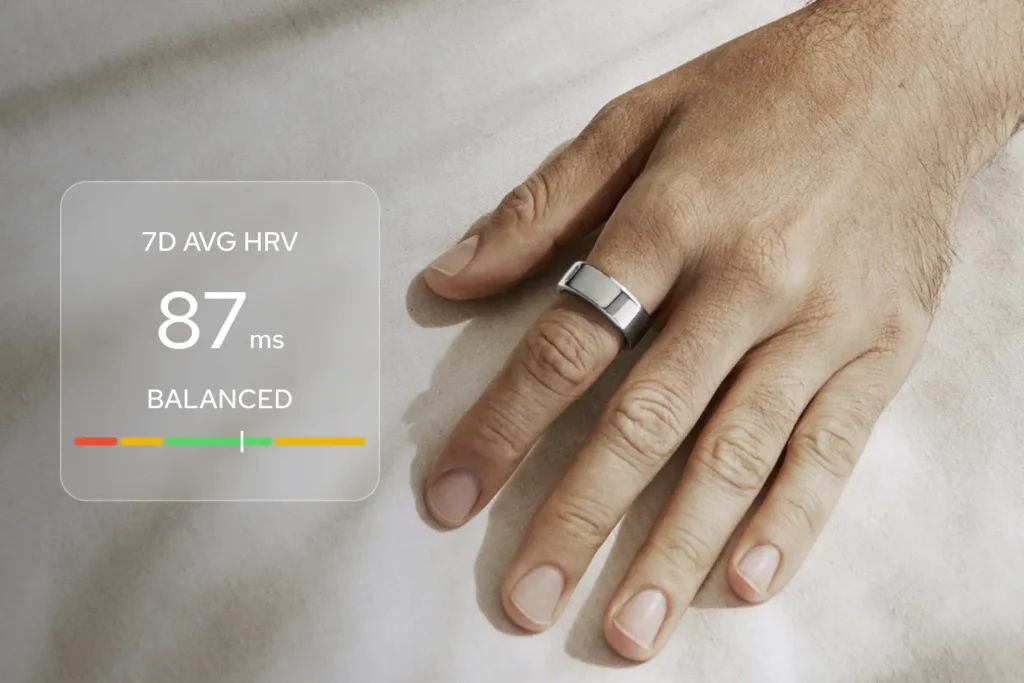
HRV is a number your watch or ring can track, and studies link it to how people react to pain.
If pain isn’t only about one spot, what can you watch instead? One option is HRV. It means heart rate variability. It shows how much the time between your heartbeats changes. Apple Watch, Oura, Garmin and other trackers show it. It’s one sign of how your nervous system is coping with stress and recovery.
A review of studies found that HRV is linked to how people react to pain.³ That doesn’t mean HRV measures pain. It means a number you can track seems to move with how strongly pain is felt. I track my own HRV. Mine sat lower than my training and sleep should have produced.
The vagus nerve helps shape HRV. That’s why it caught my attention.
I’ll be honest. I was sceptical about vagus nerve stimulation. As an osteopath, I’m trained to be careful with shortcuts. The only kind I’d seen was surgical, an implanted device for hard-to-treat depressive states. It had nothing to do with a sore shoulder.
The research changed my mind. taVNS (Transcutaneous Auricular Vagus Nerve Stimulation) sends a small signal through the ear to the vagus nerve. The ear is the only place this nerve reaches the skin, so no surgery is needed. Several studies used placebo groups, and they came from places I know, like UCL and King’s College London. I checked what was tested, in who, and what was measured. I didn’t want to rely on claims about the technology.
That sent me looking at devices that use this method. One stood out because of the research behind it. It uses AVNT™ (Auricular Vagal Neuromodulation Technology). It’s called Nurosym. 60+ completed studies support the approach behind it.

Researchers Measured Pain Across the Body After Vagus Nerve Stimulation
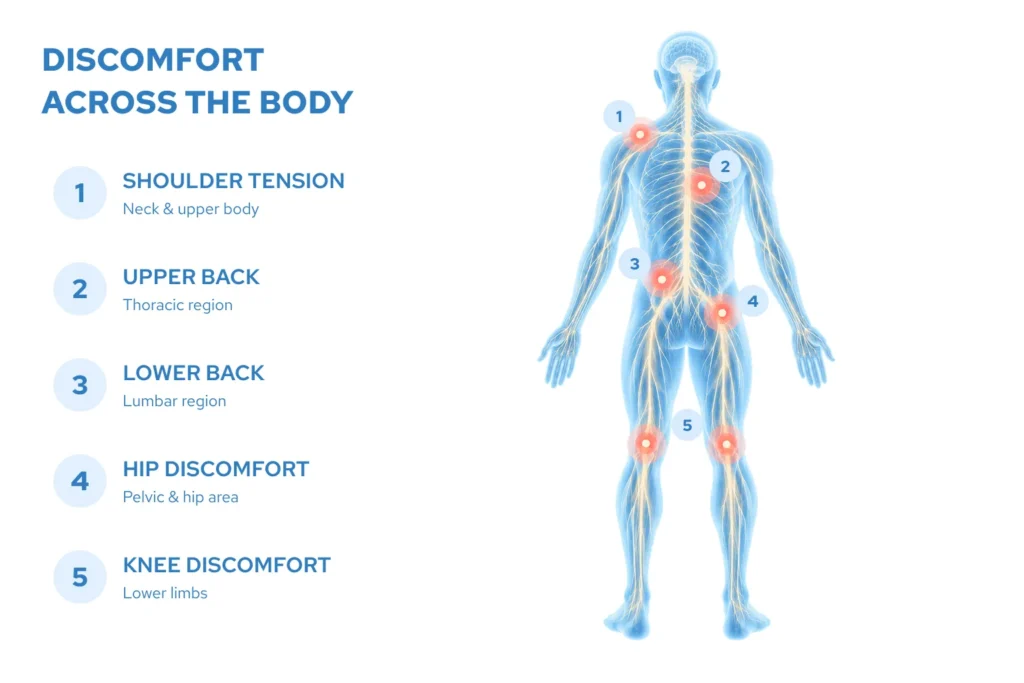
Studies looked at pain in many places at once. They did not test the pain that moves.
Some clients have pain in several places at once. None of it is bad enough to point to one clear injury. That’s hard to treat one spot at a time.
Vagus nerve stimulation has been studied against “widespread pain” scores.⁴ That means pain in more than one place.
So we don’t know if stimulation changes pain that moves from one place to another. The studies only show a change in widespread pain scores in the people tested.

You Can Do It From Home, Unlike Clinic-Based Therapies
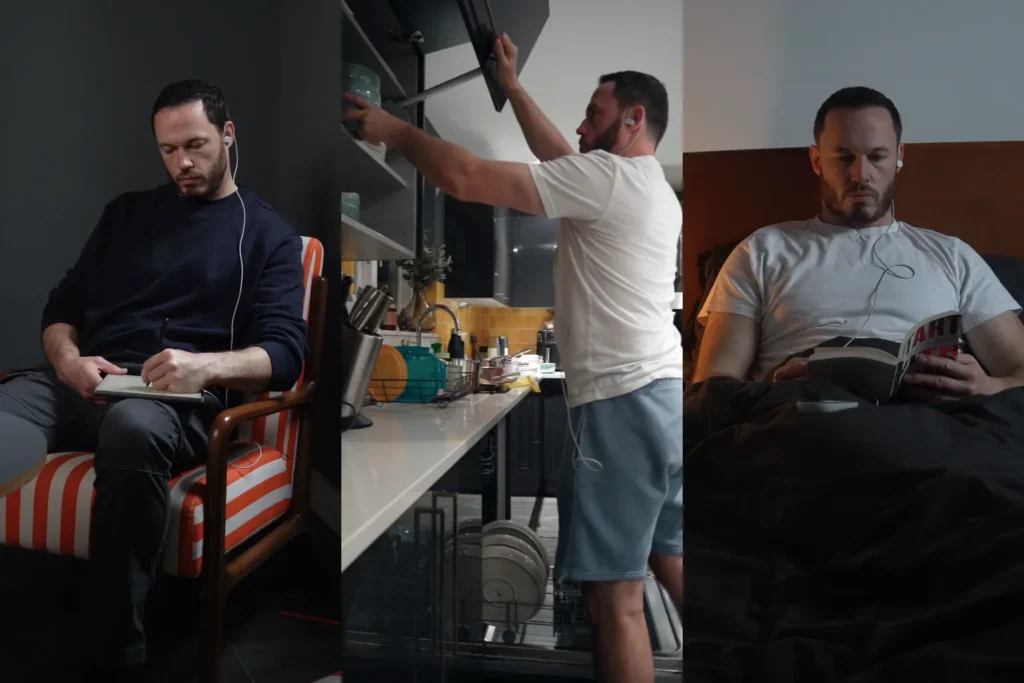
You can use Nurosym at home, during things you already do.
The best recovery tool is the one you keep using. A busy clinic day, training and being a dad leave little room for one more thing.
Nurosym clips to the ear. There’s no app and no gel. You just pick a comfortable level. I use it while I drink my morning coffee, read client notes, iron shirts, or read with my daughter before bed.
Clinic visits are valuable, but they need an appointment. This doesn’t. It fits inside my day instead of sitting next to it, and that’s why I can stick with it.
What the Research Measured
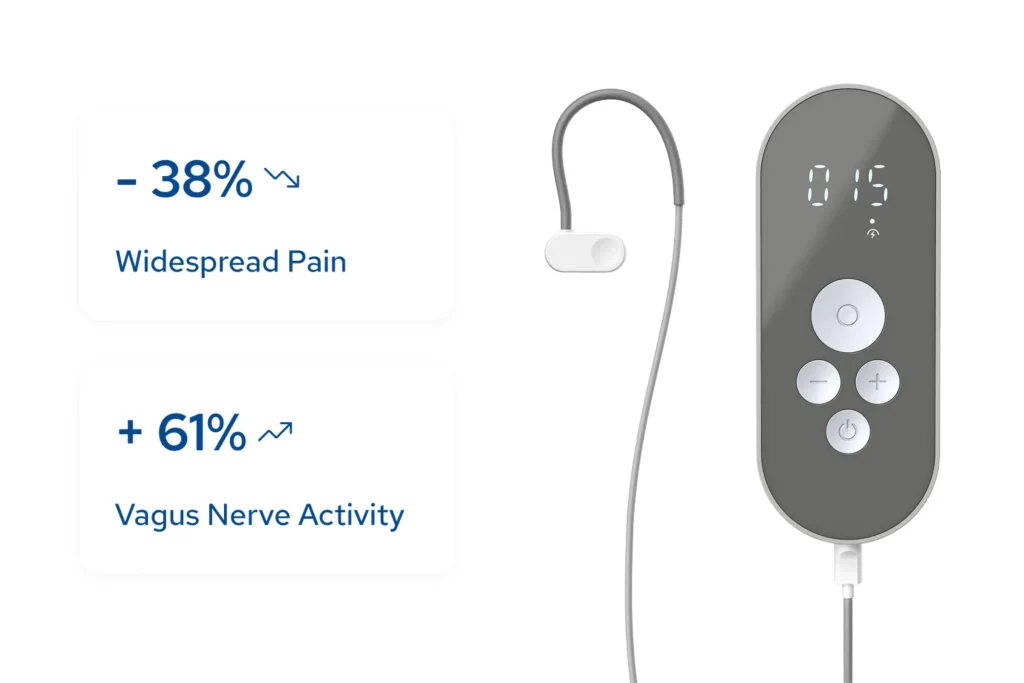
-38% widespread pain⁴ | +61% in a marker of vagus nerve activity⁵
These numbers come from peer-reviewed studies in specific groups of people. They measure widespread pain scores and one marker of vagus nerve activity. They do not show faster injury recovery, less muscle soreness, or a change in pain that moves between places. Individual results may vary.
What Using It Looks Like Day to Day
Cost: approximately €700.
Guarantee: 30-day money-back, no questions asked.
Setup: Clips to the ear. No app. No gel. No prescription. Wired, not wireless.
Sessions: 15 to 30 minutes.
You can use it while:
- Reviewing client notes or admin
- Ironing shirts for the week
- Washing up after dinner
- Reading before bed
- Eating breakfast
Who This Might Be Worth Exploring For
- Your pain shows up in different places over time, with no new injury each time
- You've treated each spot on its own, and the relief never lasts
- You're stretched thin across work, training and family
- You want something to try next to your current routine, not instead of it
Skip it if you want an instant change, or a replacement for proper rehab of a fresh injury. Use it next to those things, not instead of them.
Do not use it if you have a pacemaker or implantable cardiac device, are pregnant, have had a recent serious cardiac event, or are under 18. Always consult a qualified healthcare professional before starting.
A Safe Way to Try It
30-day money-back guarantee, enough time to see if it’s worth keeping in your routine
My Honest Take
I’ve spent years telling clients that where the pain shows up is rarely the whole story. These five reasons are why I now think supporting the nervous system is worth trying next to the rehab and recovery work I’ve always done, not instead of it.
EXCLUSIVE OFFER FOR OUR READERS: Get 5% Off Nurosym From Our Editorial Team!
References
- Volcheck MM, Graham SM, Fleming KC, Mohabbat AB, Luedtke CA. Central sensitization, persistent pain, and other symptoms: Better understanding, better management. Cleveland Clinic Journal of Medicine. 2023;90(4):245-254. https://doi.org/10.3949/ccjm.90a.22019
- Pacheco-Barrios K, et al. Transauricular vagus nerve stimulation enhances conditioned pain modulation in healthy subjects. Brain Stimulation. 2024;17(2):346-348. https://doi.org/10.1016/j.brs.2024.03.006
- Forte G, et al. Heart Rate Variability and Pain: A Systematic Review. Brain Sciences. 2022;12(2):153. https://doi.org/10.3390/brainsci12020153
- Dolcini G, Favretti M, Franculli D, et al. Vagal nerve stimulation and fibromyalgia: an additional therapeutic option. Clinical and Experimental Rheumatology. 2025;43(6):1095-1104. https://doi.org/10.55563/clinexprheumatol/johqvo
- Geng D, et al. The effect of transcutaneous auricular vagus nerve stimulation on HRV in healthy young people. PLoS ONE. 2022. https://doi.org/10.1371/journal.pone.0263833
This article reflects my professional evaluation of the evidence and clinical experience. This article is published in partnership with Nurosym. I may receive compensation from purchases made through links in this article. I only recommend approaches I have examined carefully and would stand behind with my own clients. This is not medical advice, always consult a qualified healthcare professional before starting any new intervention. Individual results may vary.



 English
 German
 French
 Spanish
 Swedish
 Italian