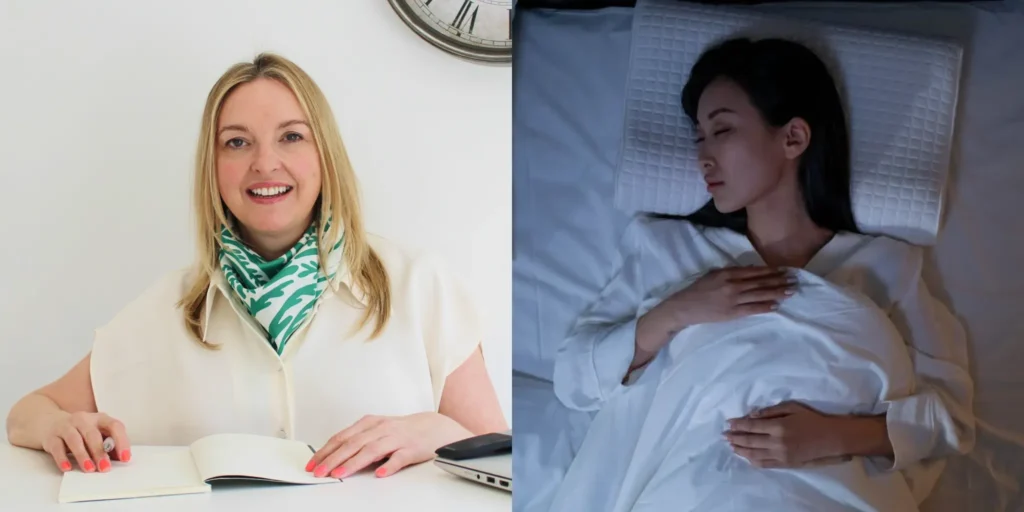
"En más de diez años de práctica, un patrón aparece una y otra vez: los clientes que acuden a mí por ansiedad, estrés o trauma casi siempre mencionan que no pueden dormir. Los dos rara vez son problemas separados".
Samantha Grant es una hipnoterapeuta cognitiva, practicante de PNL y facilitadora de PSYCH-K® con sede en Berkshire y Buckinghamshire. Más de una década de práctica clínica le ha demostrado que las dificultades para dormir rara vez tienen que ver con el dormitorio.
Casi siempre se refieren al sistema nervioso.
"La gente viene a mí con pensamientos ansiosos, estrés, trauma o patrones de pensamiento que los mantienen atascados", explica Samantha.
"Los problemas de sueño son una de las cosas más comunes que vienen junto con eso. Y la razón es sencilla una vez que uno entiende lo que sucede fisiológicamente".
Sistema nervioso y sueño
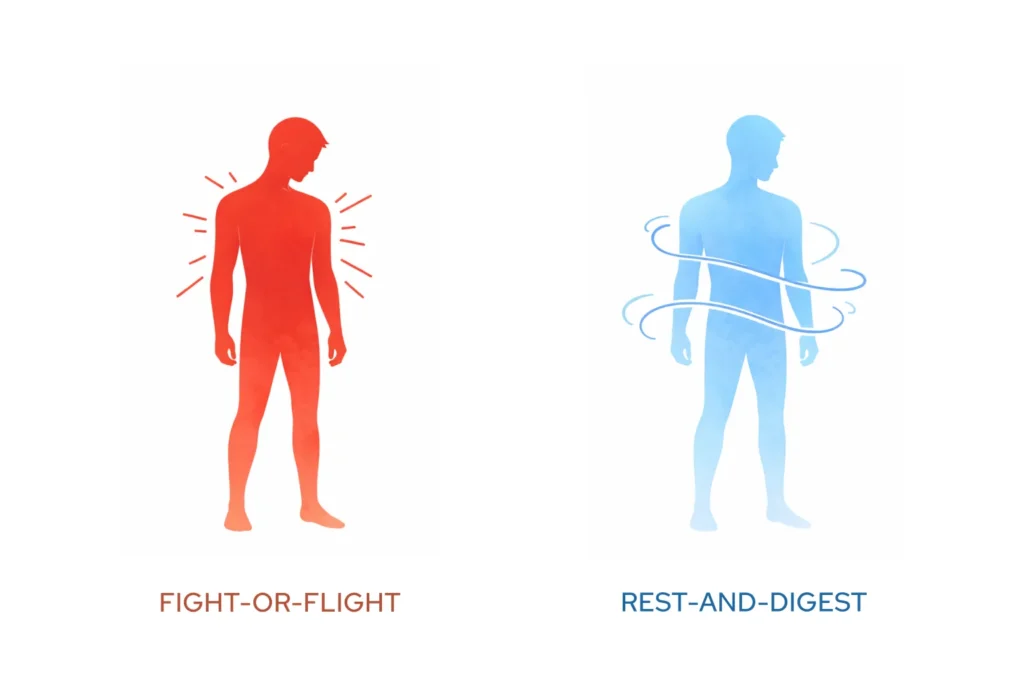
Su sistema nervioso opera en dos estados.
- La lucha o la huida te mantiene alerta, el ritmo cardíaco elevado, los pensamientos acelerados.
- Descansar y digerir es lo contrario: la respiración se ralentiza, la tensión se libera y el sueño se vuelve posible.
"Cuando alguien está viviendo con estrés o ansiedad crónicos, su sistema nervioso suele estar atascado en lucha o huida", dice Samantha.
"No importa cuán buena sea su higiene del sueño. El sistema nervioso sigue tratando al mundo como una amenaza. Y no puedes dormir bien cuando tu cuerpo piensa que necesita estar alerta".
"Cuanto más se esfuerza la gente por obligar a dormir, peor suele ser. Tumbado allí mirando el reloj, preocupándose por lo cansados que estarán mañana, tratando de 'apagar' su mente... Todo esto mantiene activa la respuesta de lucha o huida".
El nervio vago: el interruptor de apagado del cuerpo
Las investigaciones realizadas en instituciones como Harvard y la UCLA han puesto de relieve un nervio central para regularlo: el nervio vago.
Es el controlador maestro de tu sistema nervioso autónomo, responsable de gestionar el cambio entre la lucha o huida y el reposo y digestión.
Cuando el nervio vago funciona bien, el cuerpo sabe cómo relajarse.
Cuando está desregulado, ese cambio se vuelve difícil o imposible, independientemente de lo que intentes.
"Esto es consistente con lo que veo en la práctica", dice Samantha.
"Los patrones subconscientes que impulsan pensamientos ansiosos y estrés también mantienen el sistema nervioso en un estado de alta alerta. El trabajo terapéutico que hago con los clientes aborda esos patrones directamente. Pero la parte del nervio vago es real y vale la pena entenderla."
Cómo trabaja Samantha con los clientes
"Utilizando la hipnoterapia cognitiva, PNL y PSYCH-K®, mi trabajo se centra en identificar y cambiar las creencias y patrones subconscientes que mantienen el sistema nervioso de alguien atascado", explica Samantha.
"De ahí proviene el cambio duradero. Cuando esos patrones cambian, los clientes suelen encontrar que el sueño mejora junto con todo lo demás."
Dónde encaja Nurosym
"A través de mi interés en la investigación sobre la estimulación del nervio vagal, me encontré con Nurosym", dice Samantha.
"Lo que me atrajo fue la base de evidencia. Ha sido probado en más de 50 estudios científicos, incluidos ensayos aleatorios controlados con placebo, y tiene el estatus de dispositivo certificado. No es algo que se vea a menudo en el espacio de bienestar."
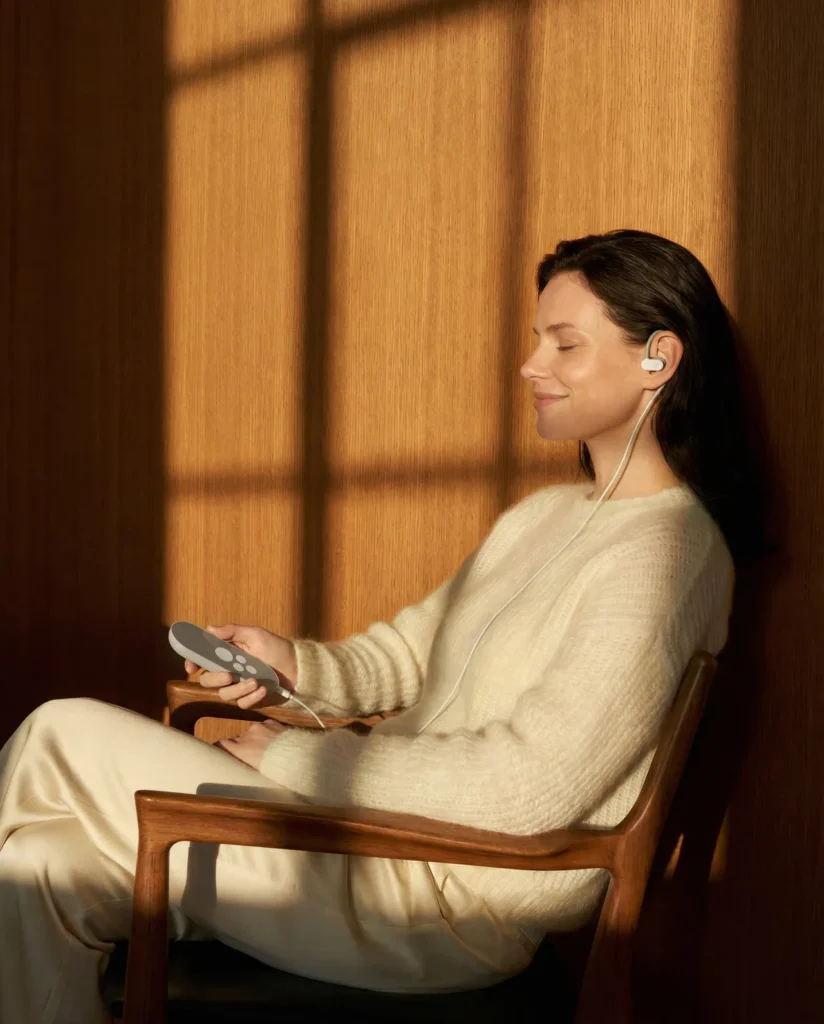
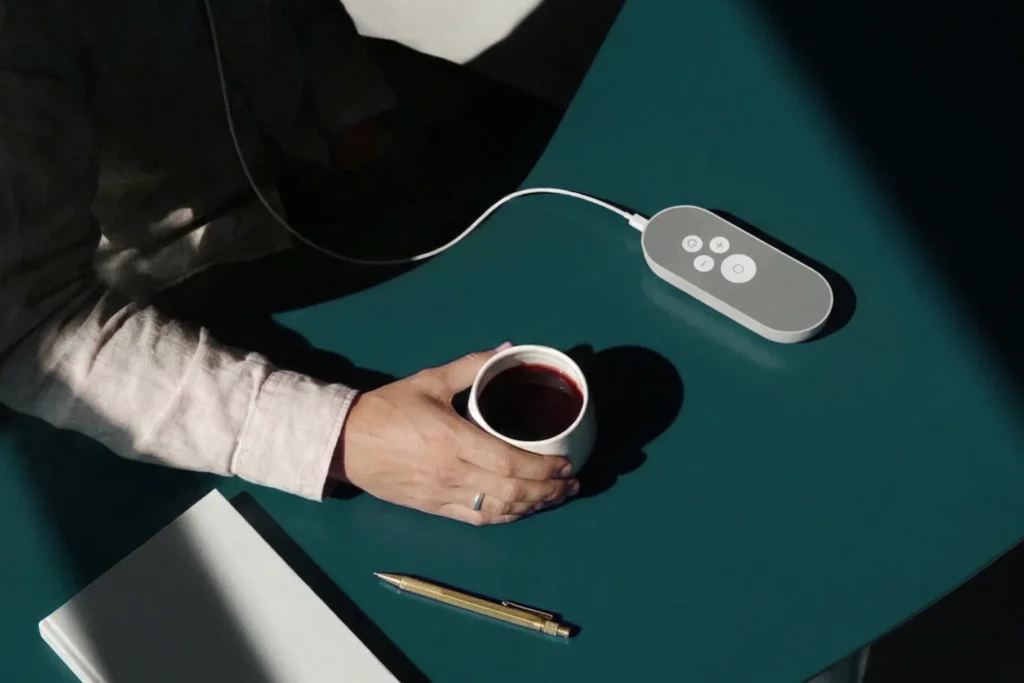
Nurosym utiliza la tecnología patentada AVNTTM (Terapia de Neuromodulación Auricular Vagal) para proporcionar una estimulación eléctrica suave a través del oído, apuntando directamente al nervio vago.
En estudios científicos, este enfoque mejoró la actividad del nervio vago en un 67% después de 5 minutos, un indicador clave de lo bien que se está regulando el sistema nervioso.
"Quiero ser honesta sobre lo que esto es y lo que no", dice Samantha.
"Nurosym no es una solución para los problemas de sueño por sí sola, y yo no la presentaría como tal. Las dificultades para dormir rara vez son simples, y por lo general deben abordarse en el nivel de los patrones y creencias que las impulsan. Lo que ofrece Nurosym es un apoyo fisiológico para el sistema nervioso junto con ese trabajo. Para algunas personas, esa capa adicional de apoyo puede ser una parte útil del panorama."
"Aborda algo real. Pero funciona mejor cuando es parte de un enfoque más amplio, no un reemplazo para uno."
El dispositivo no requiere receta ni técnica especial.
Te lo pegas a la oreja y lo usas mientras descansas, lees o te preparas para dormir.
Descubre cómo el Nurosym puede ayudarte a dormir por fin toda la noche
Probado en más de 50 estudios científicos completados. Dispositivo con marca CE. No se necesita receta médica. Se adhiere a su oreja en segundos.
Samantha Grant es una hipnoterapeuta cognitiva y facilitadora de PSYCH-K con más de 10 años de experiencia científica, practicando en Berkshire y Buckinghamshire. Miembro del Consejo Nacional de Hipnoterapia Cognitiva. Este artículo se produce en colaboración con Nurosym. Los resultados individuales pueden variar.
Compartir a través de:
 Spanish
  English
  German
  French
  Swedish