
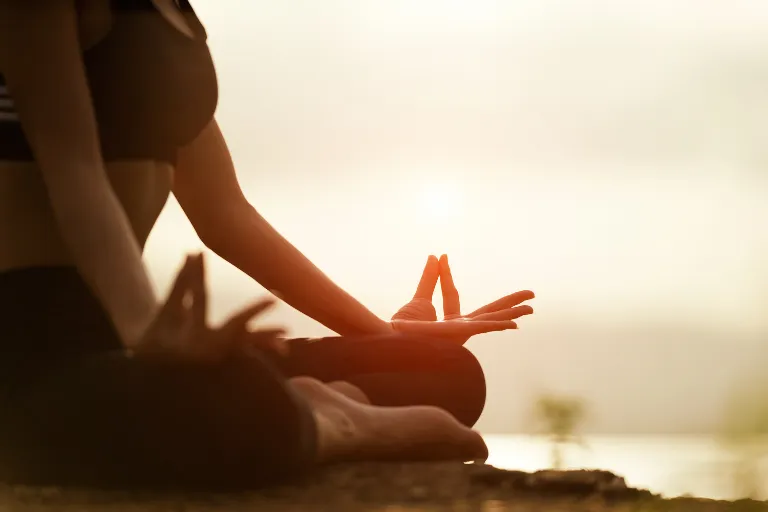
In today’s fast-paced world, stillness can feel out of reach. From constant notifications to daily pressures, our minds rarely get a break. For many — from students and parents to healthcare workers — meditation has become more than just a wellness trend. It’s a tool for resilience and clarity.
But not all meditation methods are the same. Some offer quick moments of calm, while others support deeper emotional and physiological shifts. Here’s a comparison of three popular approaches: two leading apps, Headspace and Calm, and a traditional breathing practice, Sudarshan Kriya.
Modern Meditation Tools: Headspace and Calm
- Headspace -This app makes mindfulness approachable for beginners. With friendly animations and clear guidance, it’s ideal for those just starting out. Sessions focus on stress, focus, and emotional wellbeing — great for building a daily habit.
Research Insight: Users of Headspace showed improvements in mood, stress levels, and irritability after short-term use. - Calm – Calm is best known for its soothing sleep stories, guided meditations, and relaxing soundscapes. It’s a popular option for those struggling with sleep or seeking quick emotional resets at the end of a long day.
Evidence Tip: Calm has been studied for its positive effects on sleep quality and daily stress.
Traditional Breath Practice: Sudarshan Kriya
Sudarshan Kriya, taught by the Art of Living Foundation, is a structured breathing technique involving slow, medium, and fast-paced breathing cycles.
Unlike app-based practices, this method requires proper training, but research shows it may offer deeper physiological benefits:
- May reduce cortisol levels (the body’s stress hormone)
- Could improve immune function
- Shown to help with anxious thoughts and depressive states
Why it stands out: Unlike brief meditations, Sudarshan Kriya may shift the nervous system more deeply, supporting both mental clarity and physical resilience.
Choosing What Works for You
Here’s a quick guide to choosing your meditation path:
- New to meditation? Start with Headspace for simple, daily guidance.
- Struggling with sleep or daily overwhelm? Calm offers gentle support.
- Seeking a deeper reset? Consider Sudarshan Kriya, especially if you’re open to attending a structured course.
Some users find combining methods works best — using an app for brief daily sessions, and practicing Sudarshan Kriya once or twice a week for deeper benefits.
Conclusion: Meditation Is a Skill, Not a Shortcut
Meditation isn’t about tuning out — it’s about tuning in. Whether you choose an app or a breath-based practice, the goal is the same: a calmer mind, steadier emotions, and greater resilience. In a world of constant activity, these moments of stillness are not indulgent — they’re essential.
Medical Disclaimer: This article has been written by a licensed health professional and is intended for general informational purposes only. It does not substitute for personalised medical advice, diagnosis, or treatment. Readers should always seek the guidance of a qualified healthcare provider with any questions regarding a medical condition or health objectives. Never ignore or delay seeking medical advice based on information presented here.
Subscribe for Free for more insightful health articles tailored to your needs.
References
- Brown, R. P., & Gerbarg, P. L. (2005). Sudarshan Kriya yogic breathing in the treatment of stress, anxiety, and depression: Part I—Neurophysiologic model. Journal of Alternative and Complementary Medicine, 11(1), 189–201. https://doi.org/10.1089/acm.2005.11.189
- Zope, S. A., & Zope, R. A. (2013). Sudarshan Kriya Yoga: Breathing for health. International Journal of Yoga, 6(1), 4–10. https://doi.org/10.4103/0973-6131.105935
- Seppälä, E. M., et al. (2014). Breathing-based meditation decreases PTSD symptoms. Journal of Traumatic Stress, 27(4), 397–405. https://doi.org/10.1002/jts.21936
- Huberty, J., et al. (2019). Testing a mindfulness app for sleep symptoms. Journal of Alternative and Complementary Medicine, 25(9), 889–896. https://doi.org/10.1089/acm.2019.0021
- Economides, M., et al. (2018). Mindfulness-based app improves stress and affect. Mindfulness, 9(5), 1584–1593. https://doi.org/10.1007/s12671-018-0905-4



 English
  German
  French
  Spanish
  Swedish