
A comprehensive review of how VNS devices support pain and inflammatory regulation by addressing nervous system dysregulation, with expert rankings of the top 4 certified options.
Chronic pain affects a substantial share of the adult population, with research suggesting that roughly one in five adults lives with persistent pain.
Much of it has no single visible cause on a scan and is instead bound up with chronic low-grade inflammation.
Unlike the acute pain of an injury, which resolves as the body heals, persistent pain and inflammation often reflect an underlying difficulty in the autonomic nervous system, the system responsible for keeping the body’s inflammatory response in check.
And science is catching up
Recent neuroscience research suggests that vagus nerve dysfunction may be an important contributing mechanism in a subset of individuals with chronic pain and inflammation, alongside structural causes, autoimmune processes, and central sensitisation.
When this principal parasympathetic nerve demonstrates reduced activity, the body may lose some of its capacity to regulate inflammation, dampen pain signalling, and recover from everyday physical demand.
This guide examines the relationship between vagus nerve function and chronic pain and inflammation, and evaluates the leading vagus nerve stimulation (VNS) devices that may help restore autonomic balance and support the body’s own regulatory systems.
Symptoms of Chronic Pain and Inflammation
Chronic pain and inflammation are characterised by persistent discomfort and a sense of the body being inflamed, lasting beyond normal healing time and often without a single clear structural cause. Common manifestations include:
Pain-related symptoms:
- Persistent aching in the joints, muscles, or back
- Prolonged morning stiffness that eases slowly through the day
- Widespread soreness or tenderness without obvious injury
- Pain that migrates or varies from day to day
- A heightened sensitivity, where minor knocks or pressure feel worse than expected
Inflammatory features:
- A puffy or swollen feeling in the hands, face, or joints
- A sense of heat or warmth in affected areas
- Recurrent flares, often without an obvious trigger
- Slow recovery from physical effort or minor strain
- Stiffness after periods of rest or inactivity
Systemic and associated symptoms:
- Persistent fatigue out of proportion to activity
- Cognitive slowing or "brain fog"
- Disrupted, non-restorative sleep
- Low mood or reduced stress tolerance
- A general sense of being run-down or inflamed
Autonomic and physiological features:
- Reduced heart rate variability
- A heightened, "on alert" physiological state
- Symptom flares that track closely with stress
- Muscle tension and difficulty relaxing
- Slow return to baseline after exertion
The functional impact extends well beyond the discomfort itself, affecting work, sleep, physical activity, mood, and overall quality of life.
Chronic Pain and Inflammation Self-Assessment
Evaluate the features you experience with regularity:
Pain
- I have persistent aches in my joints, muscles, or back
- My stiffness is worst in the morning and eases slowly
- I feel sore or tender without an obvious injury
- Minor knocks or pressure feel more painful than they should
- My pain has lasted three months or longer
Inflammation
- I often feel puffy or swollen in my hands, face, or joint
- I notice warmth or heat in affected areas
- I experience flares that come and go without clear triggers
- I am stiff after sitting still or resting
- Rings, watches, or shoes sometimes feel tighter than usual
Recovery and Physical Function
- I recover slowly from exercise or physical effort
- A busy or active day costs me the next day or two
- Physical activity often triggers a flare
- I have reduced what I do to avoid paying for it later
- I rely on anti-inflammatory medication more than I would like
Systemic and Autonomic Signs
- I feel persistently fatigued and run-down
- My sleep is poor or non-restorative
- A wearable shows my HRV is consistently low
- My symptoms get noticeably worse during stressful periods
- I find it hard to relax even when resting
History and Context
- Standard treatments have provided only incomplete relief
- Scans and tests have not fully explained my symptoms
- My difficulties worsen during periods of stress
- My symptoms span more than one part of the body
- Medical evaluation has not identified a single clear cause
If you identify with multiple features across the pain, inflammation, and recovery categories, chronic pain and inflammation may warrant formal evaluation by a clinician.
In some individuals, impaired vagal tone and a heightened inflammatory state may contribute to symptom severity, making approaches that support autonomic regulation a potential adjunct, under medical guidance.
Vagus nerve stimulation may warrant discussion with your healthcare provider as one such adjunctive approach.
The Vagus Nerve Connection
What Is the Vagus Nerve?
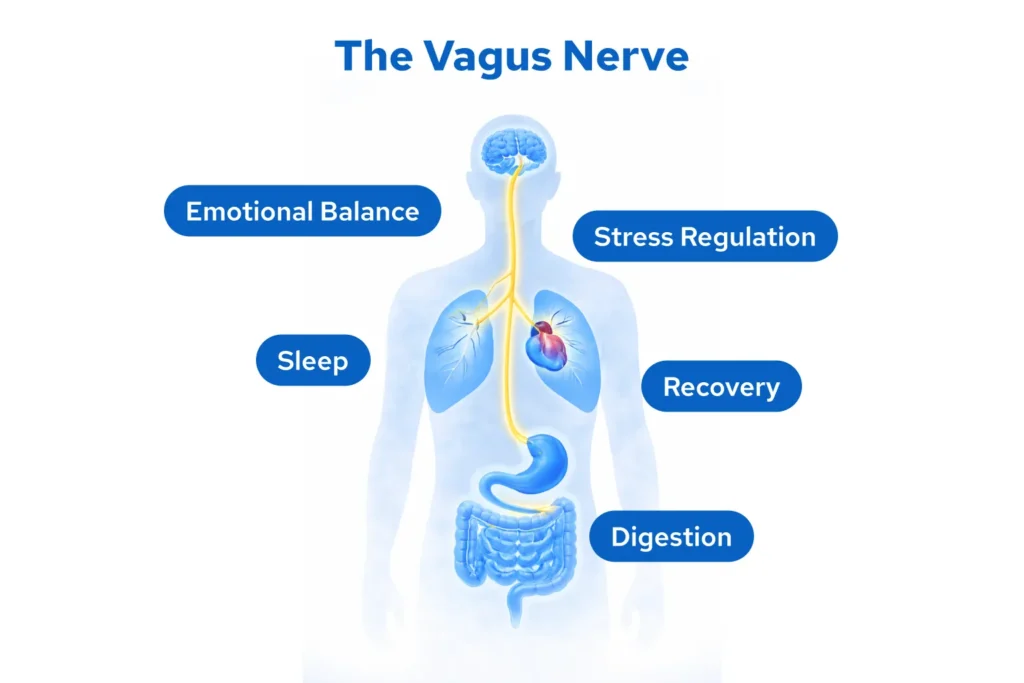
The vagus nerve (cranial nerve X) is the longest and most complex nerve of the autonomic nervous system, originating in the medulla oblongata and projecting through the neck to innervate the heart, lungs, and gastrointestinal tract.
It mediates several functions directly relevant to pain and inflammation:
- The inflammatory reflex pathway (the cholinergic anti-inflammatory pathway)
- Regulation of pro-inflammatory signalling throughout the body
- Cardiovascular and respiratory regulation
- The body's shift into rest, repair, and recovery states
- Integration of pain and stress signals in the brainstem
- Modulation of overall physiological arousal
The Two-Mode System
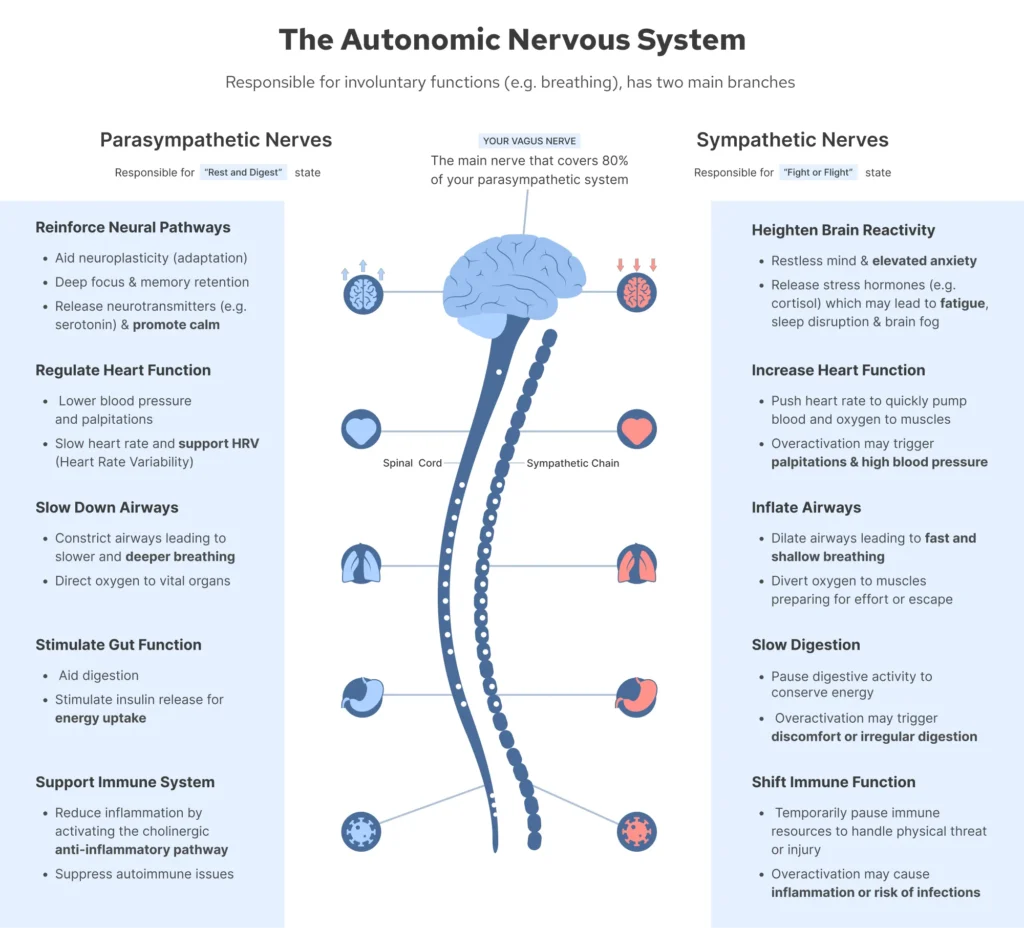
Your autonomic nervous system operates through two complementary divisions:
- Sympathetic (thoracolumbar outflow): Increases heart rate, raises arousal, and prepares the body for activity or perceived threat. Sustained activation is associated with a heightened inflammatory and pain state.
- Parasympathetic (vagal outflow): Controlled predominantly by the vagus nerve, it supports recovery and repair and, critically, acts as a brake on the body's inflammatory response.
Healthy regulation requires a dynamic balance between these systems.
However, sustained stress, illness, or chronic strain can impair vagal tone, leaving the sympathetic system dominant and the inflammatory brake less effective.
How Vagus Nerve Dysfunction Contributes to Chronic Pain and Inflammation
When the vagus nerve demonstrates reduced activity (low vagal tone):
- Loss of the inflammatory brake: The vagus nerve regulates the cholinergic anti-inflammatory pathway, the body's built-in system for keeping inflammation in check. When vagal tone is low, that brake becomes less effective, permitting chronic low-grade inflammation to persist
- Elevated pro-inflammatory signalling: Reduced vagal activity is associated with higher levels of pro-inflammatory molecules such as TNF-alpha, IL-6, and IL-1 beta, which contribute to tissue sensitivity, pain, and slow recovery.
- Heightened pain sensitivity: Sustained sympathetic dominance and chronic inflammation are associated with central sensitisation, in which the nervous system becomes more reactive and ordinary signals are felt as pain.
- Reduced heart rate variability: HRV is a validated biomarker of vagal tone, and individuals with chronic pain and inflammatory conditions frequently demonstrate reduced HRV, indicating that the regulatory system is under-engaged.
- The stress-flare cycle: Because stress drives sympathetic activation and suppresses vagal tone, periods of stress can worsen inflammation and pain, which in turn add to the body's stress load, creating a self-reinforcing loop.
It is important to note that chronic pain and inflammation is a heterogeneous condition rather than a single disease entity.
Vagus nerve dysfunction does not account for all cases.
Some individuals have a clear structural or autoimmune cause, others have predominantly central or psychological drivers, and many demonstrate overlapping mechanisms.
Vagal impairment appears most relevant in individuals with reduced heart rate variability, a strong stress-flare pattern, or a systemic, multi-site presentation.
The Scientific Evidence
Published research establishes meaningful relationships between vagus nerve function, inflammation, and pain:
- The inflammatory reflex: A well-established body of neuroscience research describes the cholinergic anti-inflammatory pathway, through which vagus nerve activity signals the body to reduce the production of pro-inflammatory molecules. This is the mechanistic basis for interest in vagal stimulation in inflammatory conditions.
- Cytokine regulation: Research demonstrates that vagal stimulation can reduce the production of pro-inflammatory cytokines such as TNF-alpha, the molecules most directly implicated in inflammatory tissue damage and pain.
- HRV and inflammation: Multiple studies report an inverse relationship between vagal tone, measured via heart rate variability, and markers of systemic inflammation, with lower HRV associated with higher inflammatory load.
- Effects of transcutaneous vagus nerve stimulation: Controlled research demonstrates that transcutaneous auricular vagus nerve stimulation can increase measures of vagal activity within minutes and shift autonomic balance toward parasympathetic predominance, the state associated with better inflammatory regulation.
- The mechanistic conclusion: Supporting vagus nerve function through targeted stimulation addresses one of the underlying drivers of chronic pain and inflammation, the failure of the body's own anti-inflammatory system to keep pace, rather than only masking the symptom.
VNS Devices as a Solution: How They Work
The Technology Revolution
Until recently, vagus nerve stimulation required invasive surgical procedures, implanting electrodes directly on the nerve through operations that carried surgical risk, recovery time, and permanent device placement.
This confined VNS therapy primarily to severe, treatment-resistant conditions where the benefits justified surgery.
Today’s approach changes that.
Modern transcutaneous vagus nerve stimulation (tVNS) delivers comparable therapeutic electrical impulses to the vagus nerve, supporting the restoration of appropriate tone, but completely non-invasively through the skin. No surgery, no implantation, and no recovery period.
These devices operate through precisely positioned electrodes at two accessible locations:
- Auricular (ear): Targeting the auricular branch of the vagus nerve at the tragus and cymba conchae, the only place a cranial nerve reaches the body's surface.
- Cervically (neck): Targeting the cervical branch of the vagus nerve, where it runs superficially beneath the skin near the carotid artery.
This represents a fundamental shift: stimulation that was once confined to operating rooms is now available for daily home use, with research-grade precision and no surgical risk.
Mechanism of Action
When precisely calibrated electrical impulses reach the vagus nerve, they initiate a cascade of responses relevant to pain and inflammation:
- Anti-inflammatory pathway activation: Stimulation activates the cholinergic anti-inflammatory pathway, supporting the body’s own suppression of pro-inflammatory cytokines.
- Neurotransmitter modulation: Stimulation triggers release of acetylcholine at parasympathetic terminals, directly counteracting sympathetic predominance and supporting a calmer physiological state.
- Brainstem nucleus activation: Afferent vagal signals project to the nucleus tractus solitarius, which integrates autonomic and pain-related information and modulates central regulatory centres.
- Autonomic rebalancing: Consistent stimulation supports a shift from sympathetic dominance toward parasympathetic restoration, improving heart rate variability and reducing the physiological state that perpetuates inflammation.
- Neuroplasticity enhancement: Sustained use may help reduce central sensitisation over time, rather than producing only a single-session effect.
Scientific Parameters
Research-validated VNS protocols typically employ:
- Session duration: 30 to 60 minutes daily, allowing for sustained effects.
- Intensity: Individualised to sensory threshold, perceptible but comfortable.
- Consistency: Daily application for a minimum of 8 to 12 weeks, since the underlying changes require sustained use.
Expected Timeline
VNS supports gradual nervous system adaptation rather than immediate pain relief:
- Week 1-2: Enhanced relaxation during sessions, a possible easing of muscle tension, and modest improvements in sleep.
- Week 3-4: Noticeable reduction in morning stiffness, steadier day-to-day symptoms, and improved recovery from everyday activity.
- Month 2-3: Sustained reduction in the puffy or inflamed feeling, fewer or milder flares, measurable HRV improvements, and reduced reliance on symptom-management strategies.
- Month 3+: Restored autonomic balance, durable improvement in comfort and recovery, and the ability to resume previously limited activities.
Safety Considerations
Transcutaneous VNS is generally well tolerated in research settings. Potential transient responses may include:
- Mild tingling at the stimulation site
- Temporary muscle tension in the neck region (cervical devices)
- Brief lightheadedness, which typically resolves with protocol adjustment
Important limitations: Not appropriate for individuals with cardiac pacemakers, recent acute cardiac events, pregnancy, or a history of vagotomy.
Persistent pain should always be evaluated by a doctor, as it can signal a condition that needs direct treatment. Healthcare provider consultation is essential prior to initiating any VNS protocol.
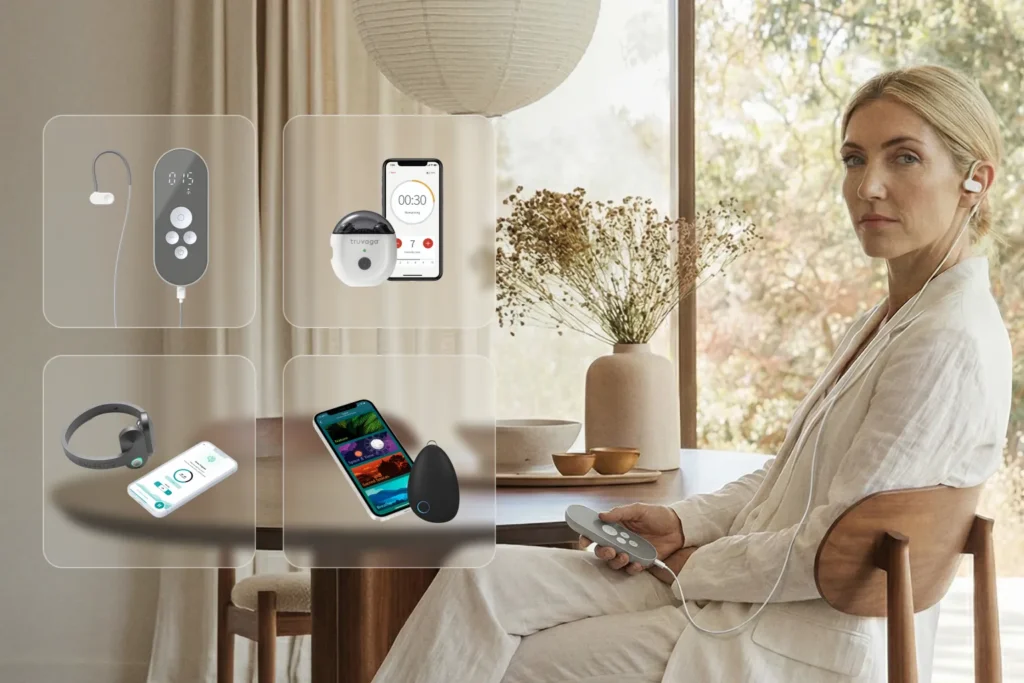
Top 4 VNS Devices for Chronic Pain and Inflammation
#1: Nurosym
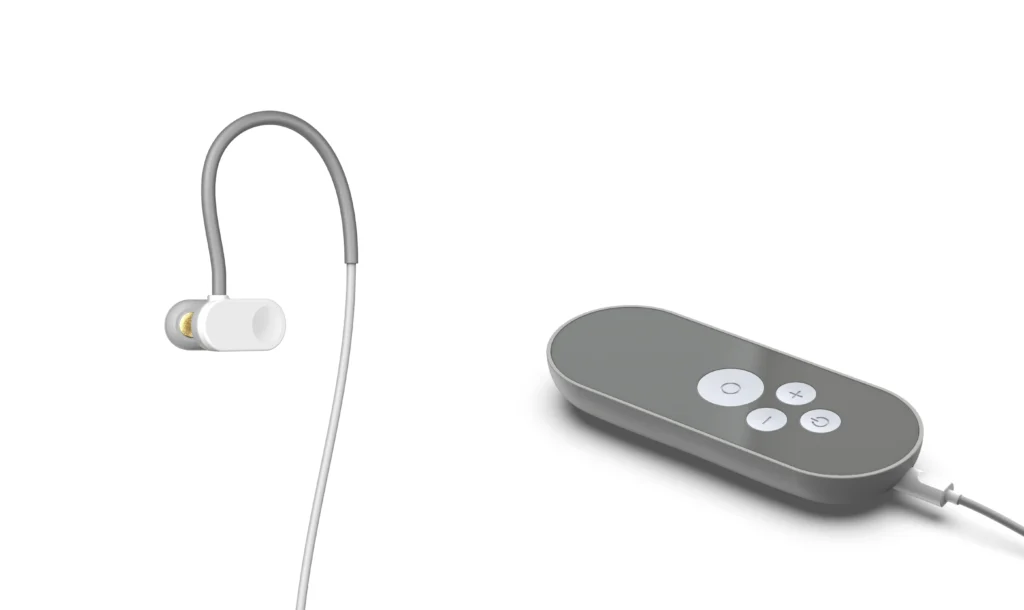
Price: 700 EUR. Varies by region (research subsidy available)
Type: Auricular (ear-worn)
Technology: AVNT™ by Parasym
Why #1:
- Most extensively validated: Supported by 60+ completed clinical studies from leading research institutions worldwide.
- Demonstrated effect on autonomic function: Research documents a 61% improvement in vagal tone (HRV metrics) and a meaningful reduction in sympathetic overactivation, the autonomic state most closely linked to inflammatory regulation.
- Mechanistically targeted: Works directly on the vagal pathway that governs the body's cholinergic anti-inflammatory response, rather than offering only general relaxation.
- Independent certification: CE-marked wearable device meeting rigorous safety and performance standards, third-party verified.
- Research adoption: Used by 1000+ healthcare professionals and researchers, with 5M+ user sessions and 100+ ongoing clinical studies underway.
- Comprehensive support: 30-day evaluation period, guidance resources, and responsive technical support.
Best for: Individuals whose pain and inflammation is systemic or multi-site, those with a strong stress-flare pattern or low HRV, and those prioritising evidence over marketing claims.
#2: Truvaga Plus
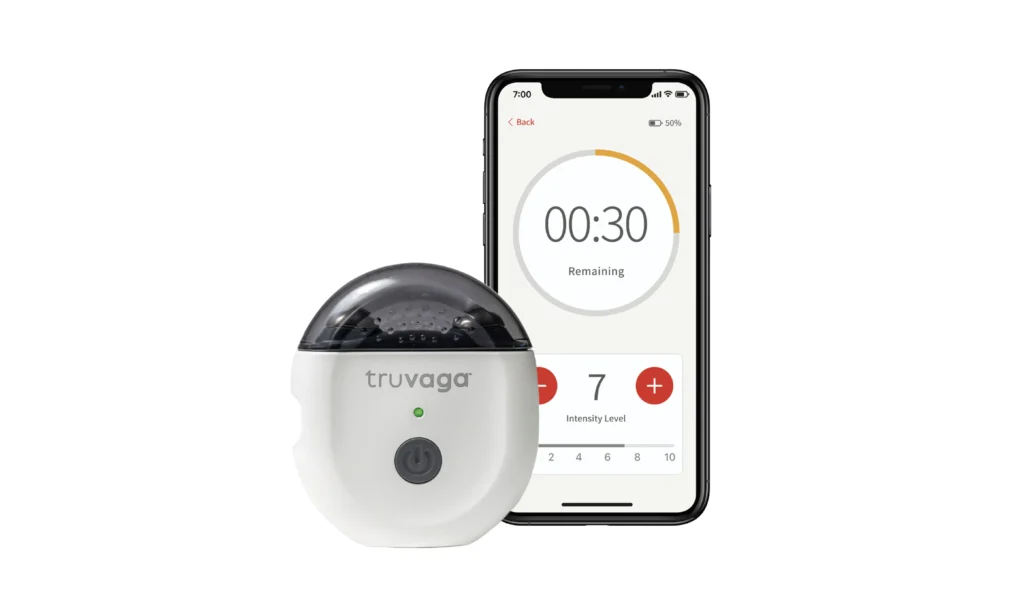
Price: $544+ (device plus conductive spray and potential subscription).
Type: Cervical (neck handheld).
Shares core technology with gammaCore, an FDA-cleared device for cluster headache, not for chronic pain or inflammation broadly. Produces rapid parasympathetic effects with a straightforward protocol.
Considerations: Ongoing costs for conductive spray and a potential app subscription, so verify pricing before purchase.
Reported adverse effects include muscle spasms, facial pull, and headache. Not suitable for users with cardiac conditions, pacemakers, or recent heart issues. Some app connectivity issues reported.
Best for: Those preferring cervical stimulation with an FDA-cleared technology lineage (for headache, not for inflammation) who can tolerate potential facial muscle effects.
#3: Pulsetto
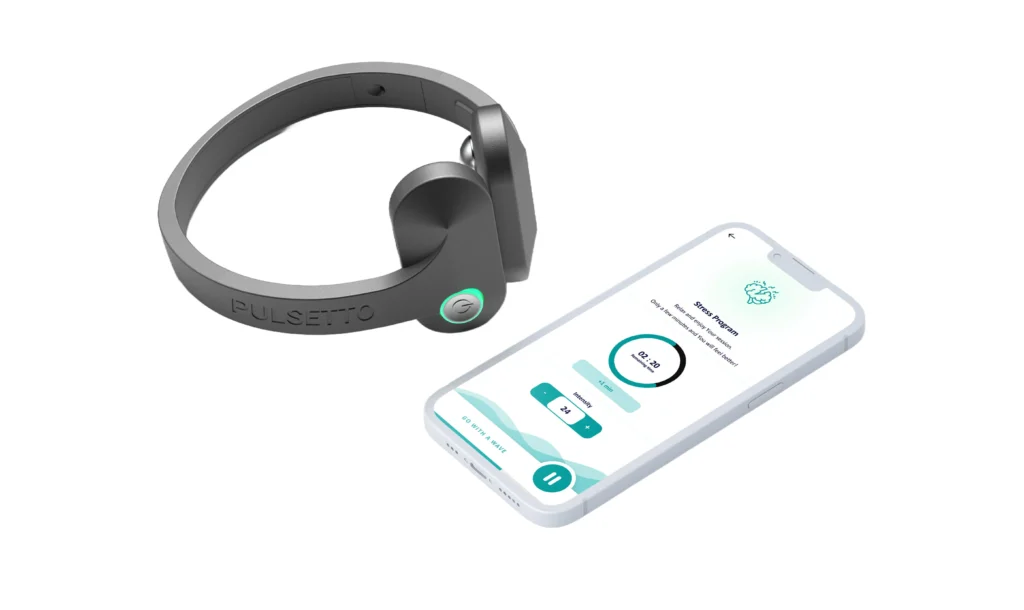
Price: $350-$371 (device plus annual gel).
Type: Cervical (hands-free collar).
Advantages include a hands-free wearable design, HSA/FSA eligibility, and a 2-year warranty.
Critical limitations: No peer-reviewed studies demonstrating efficacy specifically for pain or inflammatory conditions, with company press releases and retail testimonials in place of independent research.
Fit issues can create inadequate nerve contact, particularly with smaller necks.
The lower price can be appealing, but the absence of independent validation means its effectiveness for inflammatory and pain-related autonomic dysregulation remains uncertain.
#4: Sensate
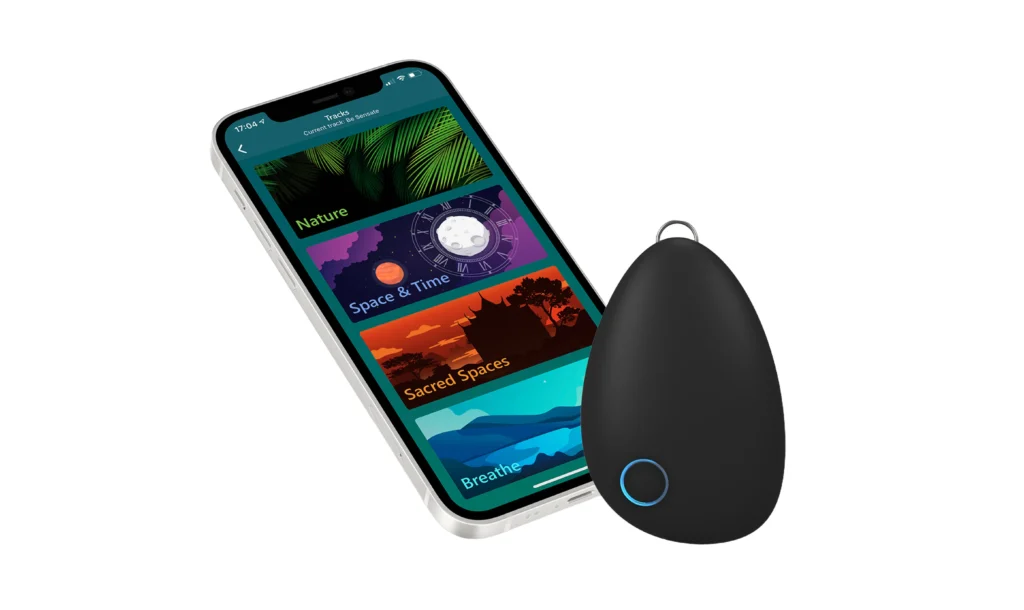
Price: $299-$349.
Type: Chest-worn vibrotactile device (not true VNS).
Advantages include a comfortable design, a simple app with soundscapes, and a lower price point.
Critical distinction: Sensate does not directly stimulate the vagus nerve with electrical impulses. It uses infrasonic vibration and bone conduction placed on the chest, an indirect approach aimed at general relaxation rather than specific vagal activation.
For pain and inflammation driven by autonomic dysregulation, this matters, because general relaxation tools may help with stress but do not engage the cholinergic anti-inflammatory pathway in the same targeted way.
Available evidence reflects general stress reduction rather than validated effects on inflammatory markers or pain.
Best for: Those seeking a general relaxation aid rather than targeted vagus nerve stimulation for inflammatory and pain-related dysregulation.
Conclusion:
Nurosym may offer the most comprehensive research validation, a demonstrated effect on the autonomic markers most relevant to inflammatory regulation, independent certification, and the best balance of research foundation and practical daily use for those prioritising evidence-based outcomes.
Take Action
Chronic pain and inflammation related to vagus nerve dysfunction represents a difficulty with emerging, adjunctive approaches to support.
The autonomic nervous system retains the capacity for adaptation and for restoring the regulatory balance that keeps inflammation in check.
This information is provided for educational purposes. VNS devices are not intended to diagnose, treat, cure, or prevent any disease. Individuals with chronic pain or inflammatory conditions should work with qualified healthcare providers to develop comprehensive management strategies. Always consult your physician before beginning any new intervention.
Sources
- Borges, U., Laborde, S., & Raab, M. (2019). Influence of transcutaneous vagus nerve stimulation on cardiac vagal activity: A randomized controlled trial. PLOS ONE, 14(10), e0223848.
https://journals.plos.org/plosone/article?id=10.1371/journal.pone.0223848 - Redgrave, J., et al. (2018). Safety and tolerability of transcutaneous vagus nerve stimulation in humans: A systematic review. Brain Stimulation, 11(6), 1225-1238.
- Yap, J. Y. Y., et al. (2020). Critical review of transcutaneous vagus nerve stimulation. Frontiers in Neuroscience, 14, 284
https://www.frontiersin.org/journals/neuroscience/articles/10.3389/fnins.2020.00284/full - Task Force of the European Society of Cardiology. (1996). Heart rate variability: standards of measurement, physiological interpretation and clinical use. Circulation, 93(5), 1043-1065.
https://www.ahajournals.org/doi/10.1161/01.cir.93.5.1043
Share via:


 English
  German
  French
  Spanish
  Swedish