
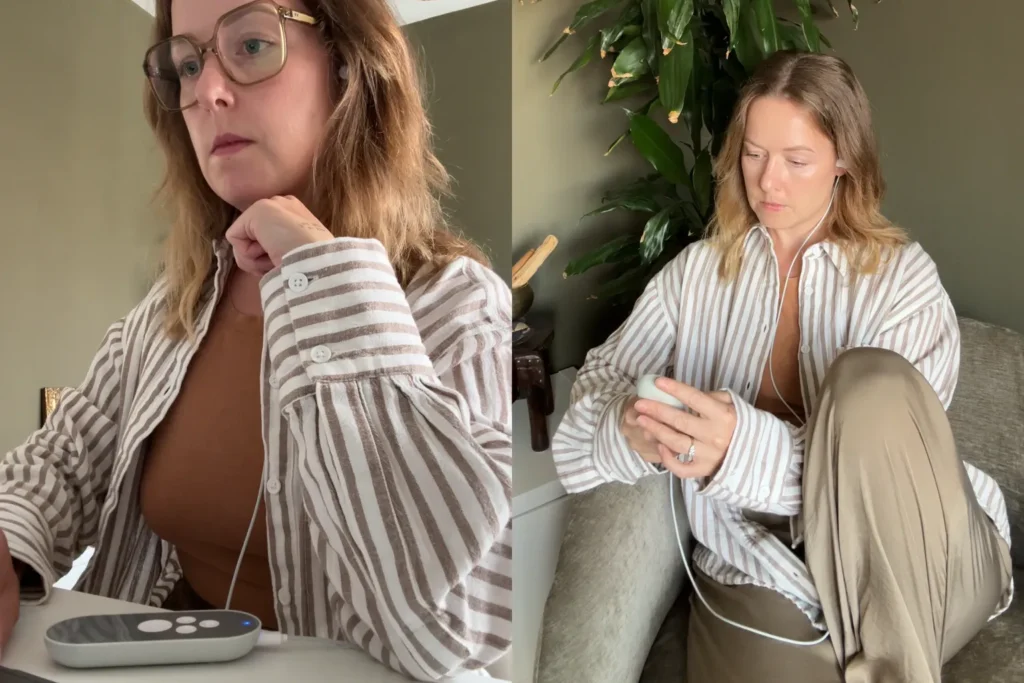
I want to be honest about something before I start.
I’m a breathwork facilitator and embodiment teacher. My entire work is about helping people slow down, reconnect with their bodies, and regulate their nervous systems.
And somehow, without fully realising it, I had stopped applying those same principles to myself.
I’d experienced two burnouts before I turned 32 – the first just before I turned 30, the second about two years later. Both happened when I was working in a corporate environment. Both felt like my body physically forcing me to stop.
Since then, I’ve dedicated my life to understanding stress – how it shows up in the body, how we carry it without realising, and how we can work with it rather than against it.
So it’s a little embarrassing to admit that a few months ago, I found myself back in a version of that same pattern.
Not burnout exactly, but that gradual feeling of running too fast for too long.
That’s what led me to try Nurosym for 30 days and pay close attention to what, if anything changed.
Here’s what happened.
Where I Was Before I Started
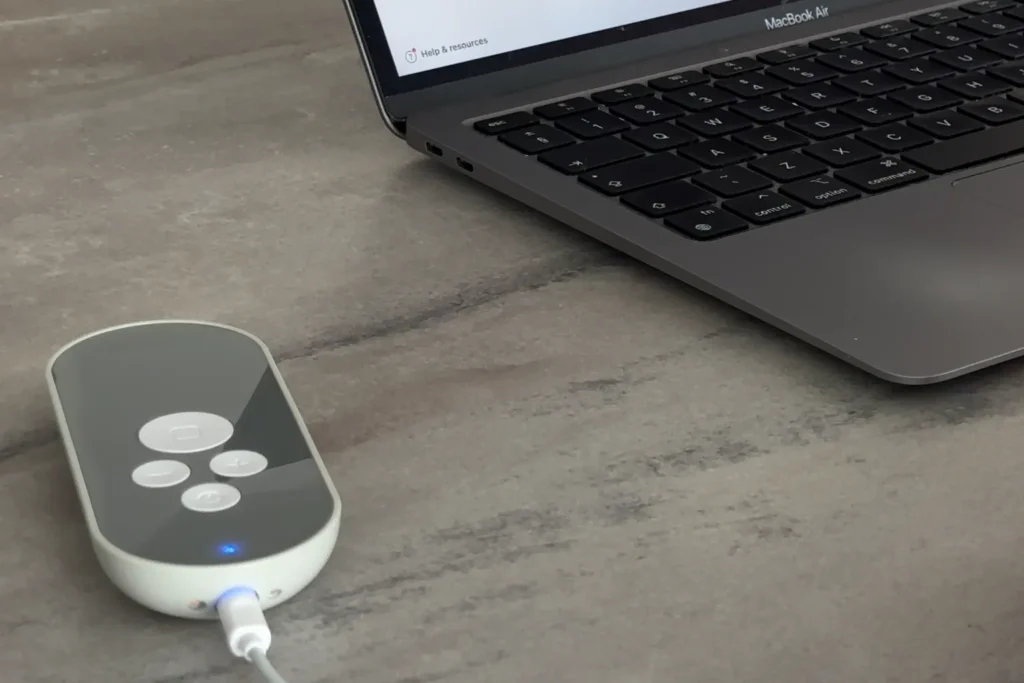
From the outside, everything probably looked fine.
My calendar was full. I was teaching, working with clients, building SOULBODY BREATH®, creating content, doing all the behind-the-scenes admin that comes with running a solo business. I was functioning.
But when I looked more closely, I realised I wasn’t feeling as present or connected as I normally would.
Socially, most of my conversations had narrowed to my business or whatever was stressing me out. I wasn’t as present with the people I love.
In my business, I was saying yes to things that weren’t aligned – not because I wanted to, but because I was stuck in a cycle of pushing.
Physically, my sleep had gradually deteriorated. I’d slipped back into scrolling before bed. And although I’d feel exhausted at night, I’d wake up still tired – that familiar tired-but-wired feeling. After a while, that became my normal.
The biggest impact, though, was in my work. I could feel myself becoming less connected to the work and the people I was trying to support. I felt like my usual sense of energy and enthusiasm had become much quieter.
When you’re that depleted, it affects everything. Not just you. The people around you feel it too.
What I’d Already Tried

The irony of being a nervous system practitioner who can’t consistently access her own practices doesn’t escape me.
I even tried forcing slow morning routines – the kind I see everywhere online. But my brain switches on the moment I wake up. Sitting in stillness at 6 a.m. doesn’t feel nourishing for me. It feels like I’m fighting my natural rhythm. And fighting your own nature while already depleted doesn’t work.
The practices I love and teach – breathwork, meditation, somatic movement – have always supported me. But somewhere along the way, they stopped feeling like nourishment and started feeling like another thing on an already overflowing to-do list.
When something meant to support you starts to feel like a chore, a little resentment creeps in. And once that happens, consistency becomes even harder.
I also tried supplements. They made small differences, but nothing felt like a sustainable part of my routine.
What I realised I needed wasn’t another practice I had to force myself into. I wanted something that could fit into my existing routine rather than becoming another task I had to manage.
The autonomic nervous system has two major branches, the sympathetic and the parasympathetic nervous systems, which work together to regulate many automatic functions. I realised I didn’t need another practice that required more effort. I wanted to try something that might support a calmer physiological state while fitting into the life I already had.
When I first came across Nurosym, I was curious, but sceptical.
Why I Was Sceptical, And What Changed That
I’m naturally quite distrustful of a lot of things in the wellness space. I wasn’t going into this expecting a miracle transformation.
But when I actually looked into the research, I found a larger body of published research than I expected, including peer-reviewed research. However, much of the evidence is still emerging and comes from specific study populations. It’s CE-certified, and it uses electrical stimulation at the outer ear, an area that receives sensory innervation from the auricular branch of the vagus nerve. I’ll explain the mechanism properly a bit further down, but what actually got my attention first was that this wasn’t simply another wellness device making broad claims about ‘resetting the nervous system’ without published research to examine.
I came into the 30 days with curiosity rather than expectations. I wasn’t looking for fireworks. I know how the nervous system actually works: through repetition, consistency, and gradually expanding capacity over time.
I also knew not to expect an overnight transformation.
Days 1-4: First Impressions
The device arrived beautifully packaged with a nice case. I read through the instructions and started my first session.
The biggest thing I noticed at first was the sensation on the tragus of my ear: a light tingling or pulsing. It wasn’t painful or uncomfortable, but it was noticeable.
For the first session, I mostly experimented with settings and what different intensity levels felt like, following the instructions provided. I focused entirely on the physical sensation itself. I didn’t notice any meaningful change in how I felt during those first sessions.
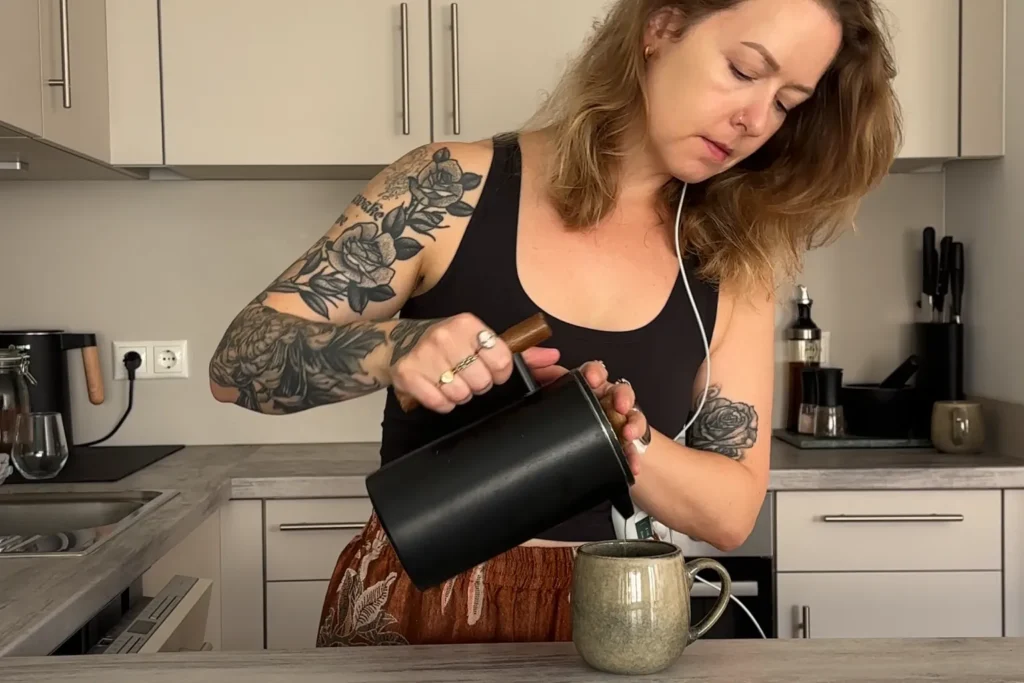
Days 1 and 2, nothing dramatic. I kept my expectations low. I was using it mainly in the mornings while drinking my coffee, not carving out separate time, just letting it run while I was already settling into my day.
What surprised me was how quickly I got used to the sensation. By the end of the first week, I barely noticed the sensation anymore. I’d finish a session and realise I’d almost forgotten it was there.
That became one of the things I liked most: it fit easily into what I was already doing.
Days 8-14: The First Real Shift
Around the two-week mark, I started noticing a change in how I was approaching my days.
I was sitting at my laptop one morning, and I felt like I had space and time.
I looked at my calendar and to-do list, and instead of immediately thinking about what I could add, my first thought was: What can I take away?
For probably the first time in years, I started questioning whether things on my list actually needed to be there.
It felt like a fog had lifted. Like I could finally step back and see the bigger picture rather than being permanently zoomed in on the next task.
Before this, I’d been hyper-focused on getting through. When I’m stressed, I notice that my attention narrows and I become focused on solving the next problem. When I feel calmer, I find it easier to step back, think more broadly and decide what actually needs my attention.
That was the first major shift: realising I didn’t need to do more. I could actually start removing things.
And that has been such an incredible gift, because I am naturally an overachiever. I have a thousand ideas every day, and I want to do them all. The clarity around what actually mattered, what needed my energy, and what I could let go of has been one of the most meaningful changes of these 30 days.
Days 15-30: Stressful Days, Meditation, and What Didn’t Change
The biggest shift came with how I handled stressful situations.
Stressful things still happened: a website issue that cost me hours, a day where everything ran late, client situations that needed careful navigation.
Before, something like that could have sent me into a spiral. The thoughts would start: I’m behind. I’m not going to make it. I’m failing. And I’d sacrifice the things that actually support me, movement, sleep, my own practices, to push through.
Now there’s more space between what happens and how I respond. I can still feel the stress. But it feels more manageable; I can respond to what is happening without immediately spiralling into worst-case thinking.
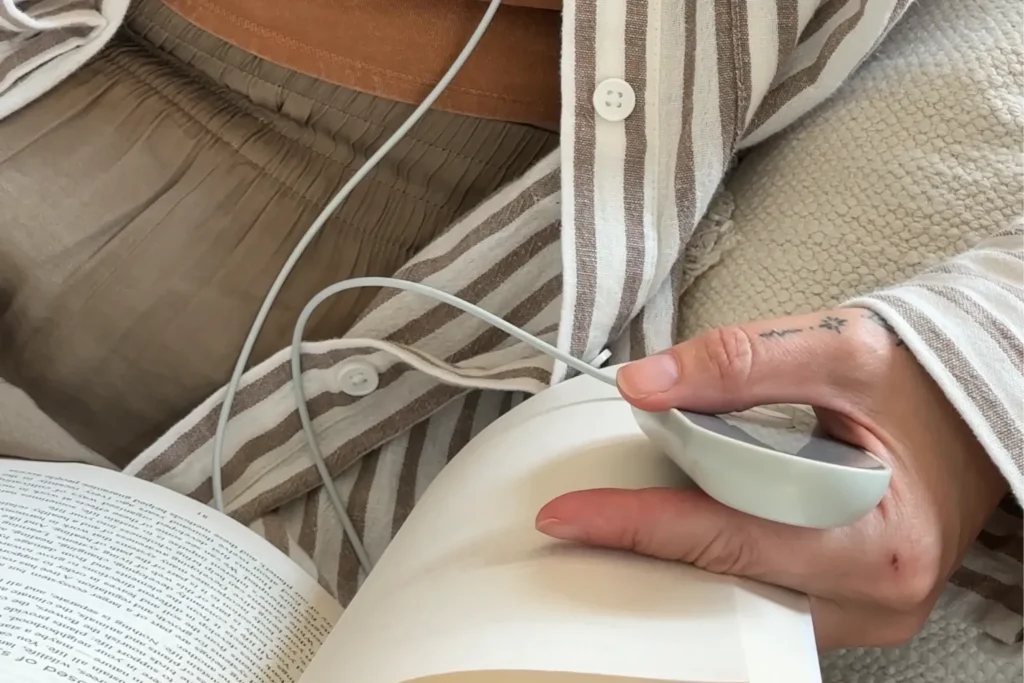
My meditation practice changed too. I’d started combining the device with my sessions, using it for 20 minutes before or during practice. I noticed I started dropping into meditation faster; it gradually became a cue for my routine: when I used it, I knew it was time to slow down, turn my attention inward, and settle into the practice.
Before I started, my sleep had been poor; that tired-but-wired feeling at night had become so normal I’d stopped questioning it. Whether that shifted over these 30 days, I genuinely can’t say with certainty. What I do know is that the other changes, more clarity, less reactivity, more space around stress, can influence how the rest of the day feels.
Day 30: What Changed, And What Didn’t
What didn’t dramatically change: I can’t put the device on in the middle of an acute stressful moment and feel an instant transformation. That’s not what this is. Whatever benefit I experienced seemed to come gradually, as I used it consistently and made it part of my routine.
What did change:
- The mental fog lifted. I have more clarity about what actually matters and what I can let go of.
- I'm less reactive. There's more space between what happens and how I respond.
- I stopped sacrificing my own needs as often, and I’m much more conscious of prioritising them now.
- I started dropping into meditation faster. The device has become a cue that helps me settle more quickly.
- I feel more present in my work, in my relationships, in my own body.
The shift wasn’t dramatic or tied to one particular session. It was gradual, and for me, that made it feel more believable and meaningful because of how unassumingly it happened.
How It Works: The Short Version
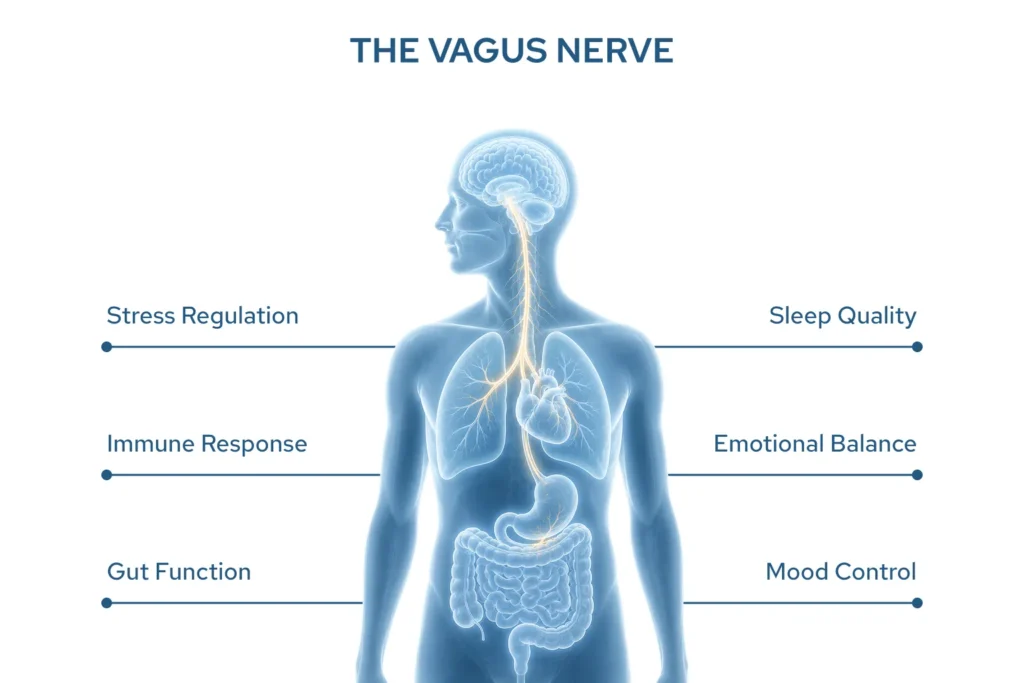
The vagus nerve is one of the body’s main communication pathways between the brain and the organs, including the heart, lungs, and digestive system. It plays a central role in shifting the body between stress mode and recovery mode.
When vagal tone is strong, the parasympathetic nervous system can activate more easily. The body can settle. Sleep comes more naturally. Stress responses are proportionate rather than spiralling.
When vagal tone drops, after sustained stress, burnout, or prolonged periods of overload, that shift becomes harder. The sympathetic branch stays dominant. The body stays braced even when nothing demands it.
taVNS (Transcutaneous Auricular Vagus Nerve Stimulation) reaches the vagus nerve through its auricular branch, the only place it surfaces at the body’s exterior, at the outer ear. Nurosym uses AVNT™ (Auricular Vagal Neuromodulation Therapy) to deliver gentle, calibrated electrical pulses directly to this branch, supporting the parasympathetic shift.
Backed by 60+ independent peer-reviewed studies across 150+ internationally recognised institutions including Harvard, Yale, UCL and Imperial College London.
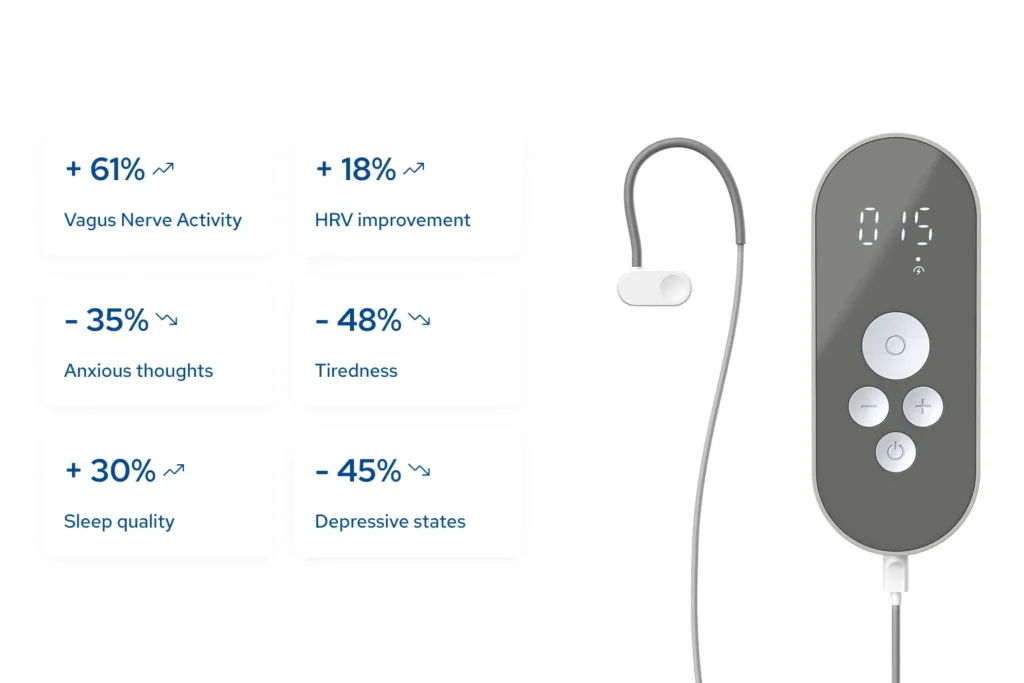
Results from peer-reviewed studies in specific study populations. Figures reflect relative change compared to placebo or baseline. Individual results may vary.
What Using It Actually Looks Like Day to Day
Cost: ~€700. Up to €70 research subsidy available.
Guarantee: 30-day money-back, no questions asked.
Setup: Clips to the outer ear. No app. No gel. No prescription. Wired, not wireless.
Sessions: 20-30 minutes. I use it during coffee, while working, or during meditation.
Battery: Over a month per charge.
You can use it while:
- Drinking your morning coffee
- Checking emails
- Working at your desk
- Meditating or practising breathwork
- Reading before bed
- Doing anything that already exists in your day
This is the part I keep coming back to: it’s not 30 minutes of extra time. It’s 30 minutes happening inside time that already exists.
Pros and Cons
✅ Pros:
- First CE-certified auricular vagal neuromodulation device
- 60+ completed peer-reviewed studies
- Trusted by 1,000+ healthcare professionals
- No app, no gel, no prescription
- Integrates into existing routine, no additional time required
- Adjustable intensity
- 30-day money-back guarantee
❌ Cons:
- ~€700 upfront cost
- Results are gradual, no quick changes
- Wired, not wireless
- Only available online
Who This Is For
Worth exploring if:
- You're stressed but it doesn't look dramatic from the outside, you're functioning, but stretched thin
- Your existing practices, meditation, breathwork, movement, have started to feel like another obligation rather than nourishment
- You want something that works with your life rather than requiring you to restructure it
- You feel tired but wired at night, even when you're exhausted
- You're a solo entrepreneur, parent, or caregiver carrying sustained pressure without adequate recovery
- You want more space between what happens and how you respond
Skip it if you’re looking for an instant changeor a replacement for sleep, nutrition, and movement. This works alongside those things, at the level of the system underneath them.
Do not use if you have a pacemaker or implantable cardiac device, are pregnant, have had a recent serious cardiac event, or are under 18. Always consult a healthcare professional first.
My Honest Take
I came into this genuinely sceptical. I know the wellness space well enough to be cautious about anything that promises too much.
What I found instead was something that works consistently, in a way that respects how nervous system change actually happens, slowly, through repetition, over time.
The biggest shift wasn’t a dramatic transformation. It was space.
Space to see what actually matters. Space between what happens and how I respond. Space to stop sacrificing the things that nourish me just to push through.
I’m someone who knows all the tools for nervous system regulation. I teach them every day. And yet I still needed support to actually access them.
If you’re in that place, where you know exactly what you should be doing, and somehow still can’t get there, give it the full 30 days. Build it into something you’re already doing. And pay attention to the subtleties. Because that’s where the real change lives.
References:
- Breit S, et al. Vagus Nerve as Modulator of the Brain-Gut Axis in Psychiatric and Inflammatory Disorders. Front Psychiatry. 2018. https://doi.org/10.3389/fpsyt.2018.00044
- Geng D, et al. The effect of taVNS on HRV in healthy young people. PLoS ONE. 2022. https://doi.org/10.1371/journal.pone.0263833
- Farmer AD, et al. International consensus based review and recommendations for minimum reporting standards in research on transcutaneous vagus nerve stimulation (Version 2020). Frontiers in Human Neuroscience. 2021. https://www.frontiersin.org/articles/10.3389/fnhum.2020.568051/full
- Tarn J, et al. The Effects of Noninvasive Vagus Nerve Stimulation on Fatigue in Participants With Primary Sjögren’s Syndrome. Neuromodulation. 2022. https://pubmed.ncbi.nlm.nih.gov/37032583/
- Zheng S, et al. Transcutaneous Auricular Vagus Nerve Stimulation for chronic insomnia disorder. JAMA Netw Open. 2024. https://jamanetwork.com/journals/jamanetworkopen/fullarticle/2828072
This article is published in partnership with Nurosym. It reflects my personal experience and is intended for informational purposes only. This is not medical advice, always consult a healthcare professional before starting any new health intervention. This article may contain affiliate links. Individual results may vary.


 English
  German
  French
  Spanish
  Swedish